Cufflinks
Cufflinks are accessories used to fasten the pair of holes made in a shirt cuff, and are mainly used with cuffs that do not have buttons, such as double cuffs.

Contents7 sections
Definition and Overview
Cufflinks are fasteners used to secure a shirt cuff. In Japan, they are also called cuff buttons, but unlike ordinary sewn-on buttons, they are characterized by being removable accessories. They are used from formal attire to dressed-up business styles.
Parts and Construction
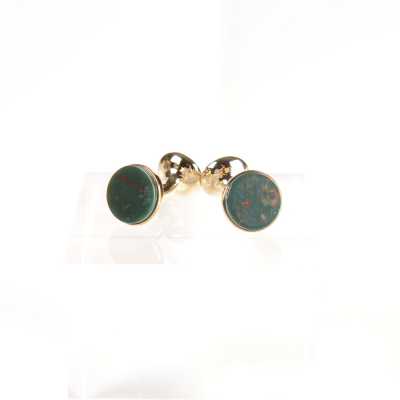
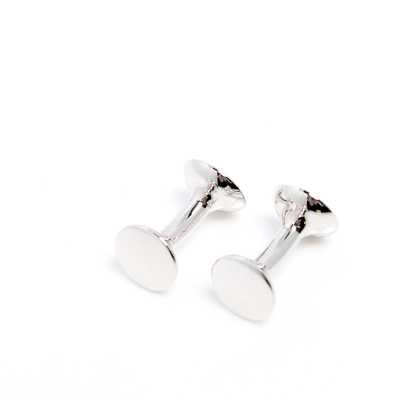
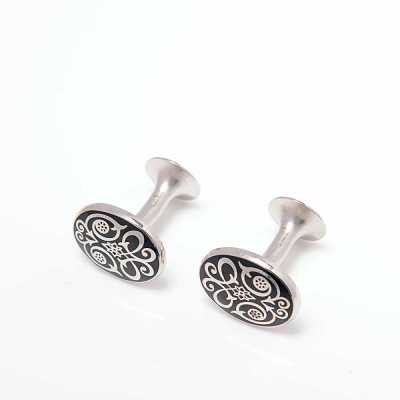
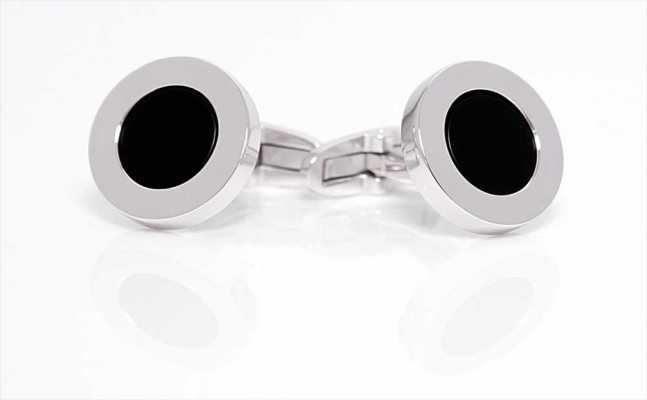
Cufflinks consist of a decorative front face, a shaft that passes through the cuff holes, and a fastener on the back that prevents them from slipping out. On the shirt side, buttonholes are provided at both ends of the cuff instead of buttons. In particular, with double cuffs, the holes in the folded-back cuffs are aligned and fastened together.
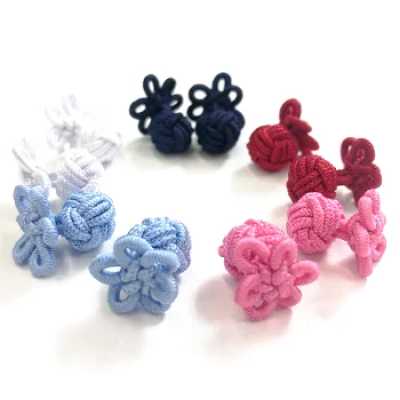
Fastening types include those that rotate a movable fastening piece, those that connect the front and back decorative pieces with a chain, and those that pass through a fixed bar-shaped shaft. The shaft length and fastener thickness must match the cuff thickness and hole size.
- Decorative face: The design section visible on the outside of the cuff.
- Shaft: The part that passes through the holes in the layered cuffs.
- Fastener: The part at the end of the shaft that rotates or locks in place to prevent it from slipping out.
Materials and Finishes
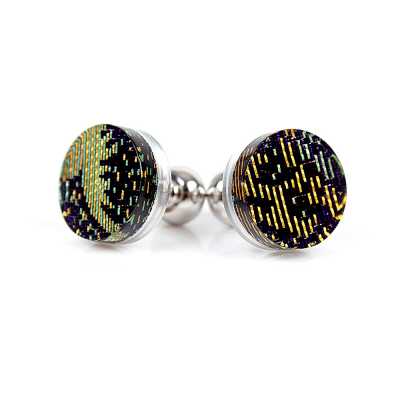
They are often made of metal, with some using brass or other base materials finished on the surface, and others made with precious metals. Shell, glass, natural stone, imitation pearl, resin, and similar materials are used for decoration, and the gloss, heft, and susceptibility to scratches vary depending on the material.
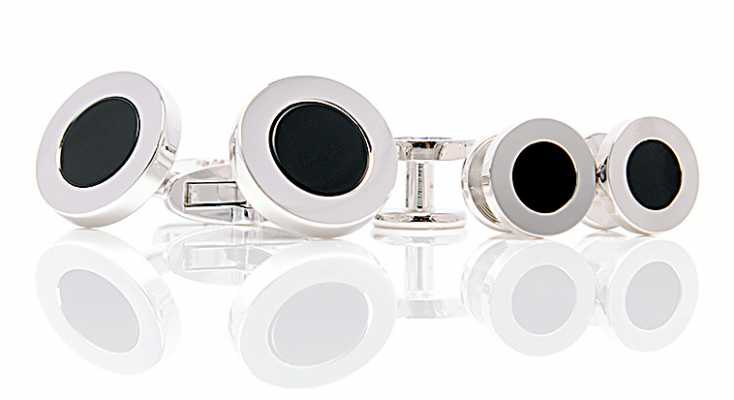
The surface may be given character with a mirror finish, matte finish, engraving, cloisonné enamel, and more. Simple black, white, or silver-toned designs are easy to match with formal wear, while designs using colored stones or motifs should be chosen with attention to the level of formality and the atmosphere of the occasion.
Matching Attire and How to Use
Cufflinks are used with shirts that have cufflink holes, such as double cuffs and convertible cuffs. Even with ordinary single cuffs, they may not be usable if the specification assumes button fastening. Check the structure of the cuff holes before purchasing.
For formal wear such as white tie or black tie, consider coordination with the shirt, stud buttons at the chest, wristwatch, and so on. For daytime formal ceremonies, understated designs are often chosen, while for evening formal wear or more glamorous settings, glossy materials may be paired within the rules of the overall outfit.
When wearing them, align the cuff holes precisely and pass the shaft through so that the decorative face is on the outside. It is easier to achieve a neat look if the shirt sleeve length and jacket sleeve length are adjusted so that only a slight amount of the decorative face is visible from the jacket cuff.
How to Choose and Handling Precautions
When selecting, check the cuff specification, hole size, cuff thickness, and wearing occasion. Large, heavy designs can cause the cuff to sag or place strain on lightweight shirts, so the balance with the shirt fabric should also be considered.
After use, wipe away sebum and moisture with a soft dry cloth and store them separately. Items using plating, stones, shell, or similar materials may change appearance due to friction, sweat, perfume, or cleaning agents. Be sure to remove them before sending the shirt for washing or dry cleaning.
Differences from Similar Terms
Stud buttons are removable buttons used mainly to fasten the front placket of formal shirts. While cufflinks are for the cuffs, stud buttons are for the chest area. The two are sometimes matched in the same material or design.
Single cuffs and double cuffs are terms that refer to the shape or specification of a shirt cuff, and are not names for cufflinks themselves. Double cuffs are a representative cuff style that uses cufflinks, but whether a shirt supports cufflinks should be checked in the individual shirt specification.
Frequently Asked Questions
Can cufflinks be used with ordinary shirts?
As a rule, they cannot be used as-is with ordinary single cuffs that have sewn-on buttons. To use cufflinks, the cuff must have holes on both sides and a specification that allows a fastener to pass through instead of buttons. Convertible cuffs may support both ordinary buttons and cufflinks.
Are cufflinks and cuff buttons different?
In many cases, cufflinks and cuff buttons refer to the same accessory for the cuff. Cufflinks is a name derived from the English term, while cuff buttons is a term widely used in Japan. However, because labeling differs by product category and brand, be sure to also check the fastening method and compatible shirt specification.
How do you choose cufflinks for formal wear?
For formal wear, prioritize the time of day, the type of ceremony, and the dress code on the invitation. In general, subdued colors such as black, white, or silver tones, with designs that are not overly large, are easy to match. Checking the coordination with metal tones in the shirt stud buttons, watch, rings, and similar items also helps create a more polished overall look.
- Search products for "Cufflinks"
- Products with material "Brass"
- Products with material "Metal"
- Products with material "Shell"
- Products with material "Glass"
- Products with material "Imitation Pearl"
- Products with material "Rhinestone"
- Products for style "For Shirts/blouses"
- Products for style "For Jackets/Suits"
- Products for style "For Formal Wear"
- Products for style "For Costumes/dresses"
- Browse Formal Accessories products