Brass
Brass is an alloy whose main components are copper and zinc, and it is a material used for metal accessories such as press fasteners, eyelets, and cap and close posts.
Contents6 sections
Definition and Overview
Brass is an alloy whose main components are copper and zinc. Because it offers good workability and moderate strength, it is widely used for metal findings for apparel. In addition to making use of its yellowish metallic color, surface treatments such as plating or painting are sometimes applied to adjust appearance and corrosion resistance.
In apparel auxiliary materials, brass is a term that indicates the material of a finding. It is handled separately from product names such as press fasteners and eyelets, as well as names for surface finishes such as plating and antique processing.
Component Structure and Size Indication
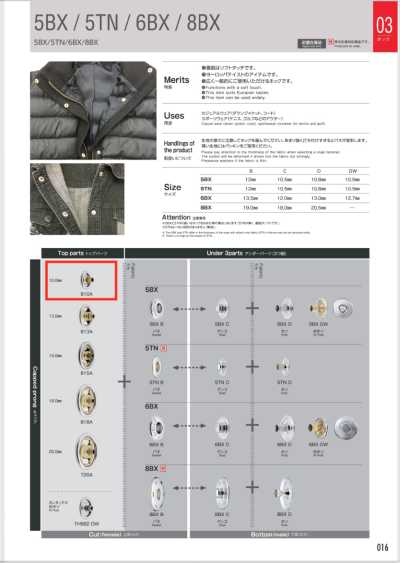
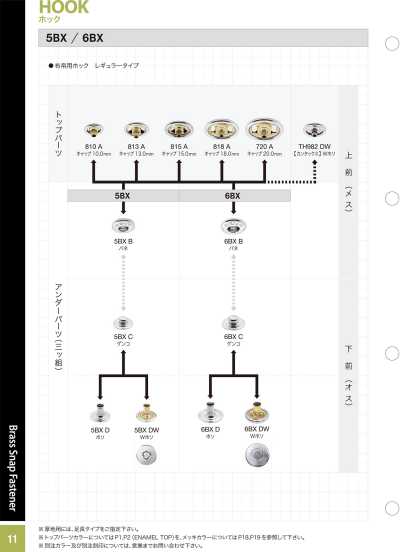
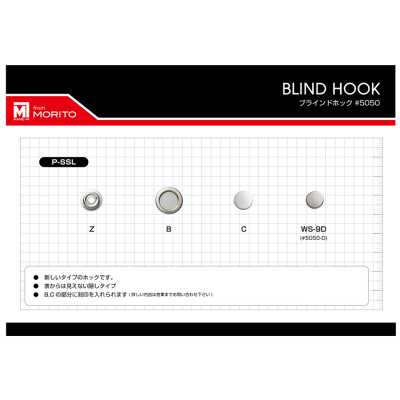
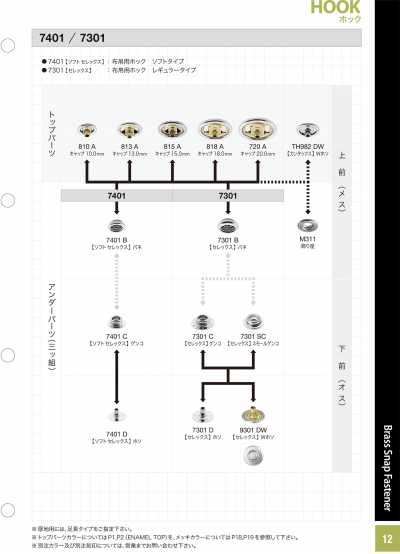
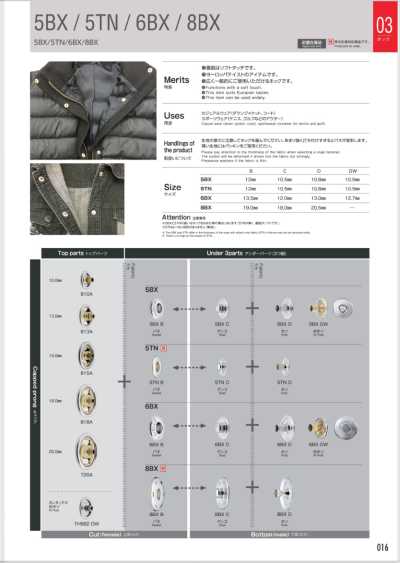
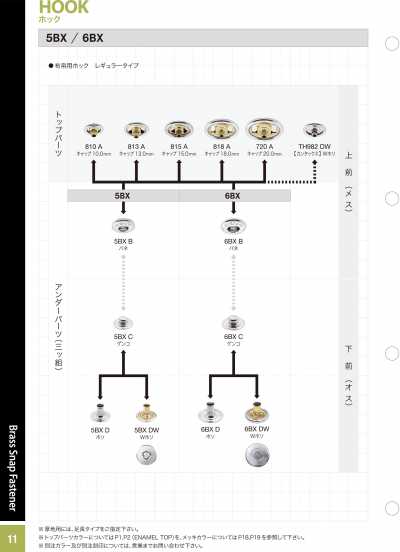
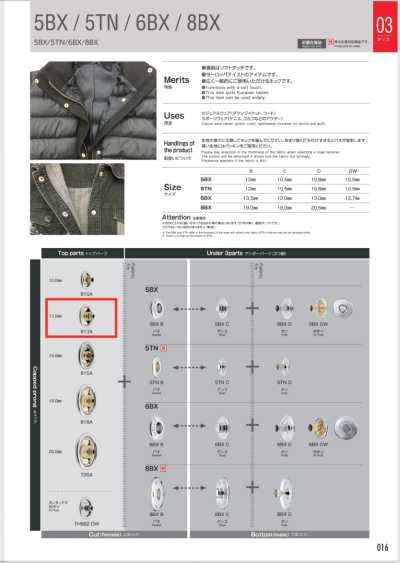
Press fasteners made of brass are generally composed by combining multiple parts such as the cap, spring or stud, post, and washer. However, the names and configuration of the parts differ depending on the type of hook, so it is important to use the specified combination for the same series.
An eyelet is basically made by combining the eyelet body visible on the front side with a washer that is crimped on the back side. Cap and close posts are also made up of a cap and a post, among other parts. Since each part is not necessarily brass, material specifications should confirm the material of the entire product and of each component part.
Sizes are mainly expressed for press fasteners and cap and close posts by the outer diameter of the cap, and for eyelets by the inner diameter or outer diameter, as well as the compatible fabric thickness. Do not judge by the name alone; confirm the drawing, physical sample, and specifications of the compatible setting tool before selecting.
- Press fastener: check the outer diameter of the cap, compatible fabric thickness, and component structure.
- Eyelet: check the inner diameter of the hole, outer diameter, post length, and whether a washer is included.
- Cap and close post: check the cap diameter, post length, and total thickness of the area being fastened.
Installation Method
Brass hammered findings are installed with a dedicated setting tool using a hand press or machine press. The basic rule is to use a setting tool that matches the shape, size, and component structure of the finding, and not to substitute a tool for a different standard.
When installing, there are methods that punch a hole in the fabric and methods that penetrate the fabric with the post of the part. Before production, perform test settings on scrap fabric and confirm that there is no insufficient crimping, deformation, cracking, surface damage, or faulty opening and closing before deciding the mass-production conditions.
Applications and Points to Note When Selecting
Brass findings are used in areas such as outerwear, denim, workwear, and bags where strength and a metallic design are required. On the other hand, in thin fabrics, highly stretchy knits, or brushed materials, pull-out, fabric tearing, and setting marks are more likely to occur, so consider using interlining or button seal in combination.
If the post is too short for the total thickness of the fabric, it cannot be crimped sufficiently; if it is too long, the parts may wobble or deform. It is important to measure the actual thickness, including seam allowances, interlining, and lining, and to perform strength tests assuming tensile load and repeated opening and closing.
Brass does not develop red rust like iron, but discoloration and corrosion can occur due to humidity, sweat, detergent, storage conditions, and so on. For plated products, also confirm the durability of the surface treatment. For products that require needle detection, confirm whether metal detection is possible, and if nickel-free is required, confirm the specifications of all component parts, including the plating.
Differences from Similar Terms
Metal button is a category that refers to metal buttons in general, and brass is one of the materials used. Press fasteners, eyelets, and cap and close posts are product categories that indicate the installation method or application, and besides those made of brass, there are also ones made with iron, zinc alloy, resin, and other materials.
Nickel silver is an alloy whose main components are copper, nickel, and zinc, and its composition differs from brass, which is mainly made of copper and zinc. Also, nickel-free is not a material name, but a term indicating a specification that takes nickel use into consideration, and it cannot be determined simply by the fact that something is made of brass.
Frequently Asked Questions
Can brass press fasteners be attached to any fabric?
Suitability varies depending on the fabric thickness, density, stretchability, and whether or not there is interlining. On thin or easily stretched fabrics, fabric tearing or pull-out may occur. Perform test settings using the actual overlapping thickness, and if necessary, decide after using reinforcing material or button seal in combination.
Does brass rust?
Brass is not a material that develops red rust like iron, but it can discolor or corrode due to humidity, sweat, detergent, and similar factors. Since appearance changes also differ depending on whether the surface is plated or painted, confirm durability according to the product's washing conditions and usage environment.
If it is made of brass, is it nickel-free?
Even if it is made of brass, nickel may be used in the plating, base treatment, or component parts such as springs. If nickel-free is required, it is necessary to check the supplier's specification information for all parts that make up the product, not just the visible surface.