Hydrolysis
Hydrolysis is a phenomenon in which chemical bonds in a material are broken by water or moisture, causing deterioration such as reduced strength, stickiness, cracking, and peeling.
Contents6 sections
Definition and Overview
Hydrolysis is a deterioration phenomenon in which moisture acts on the chemical bonds in a material, changing and breaking molecular links and reducing performance. It tends to occur in hot, humid environments and can also happen during storage even when the item is not in use.
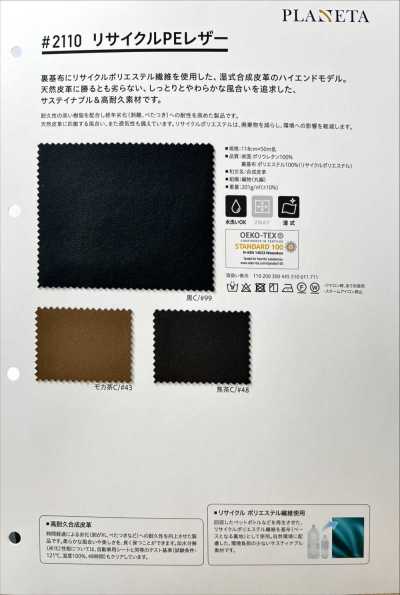
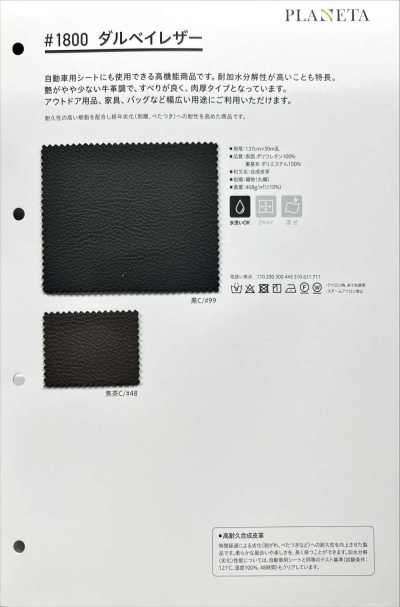
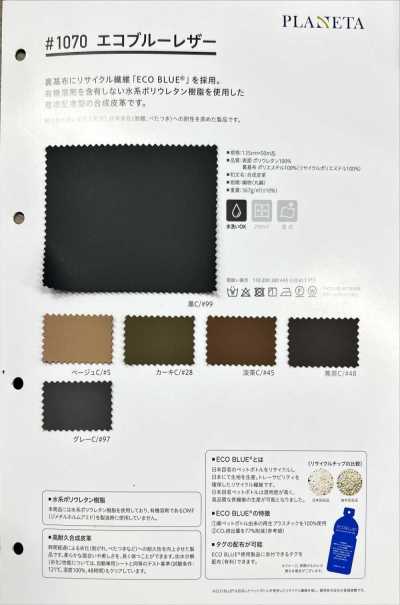
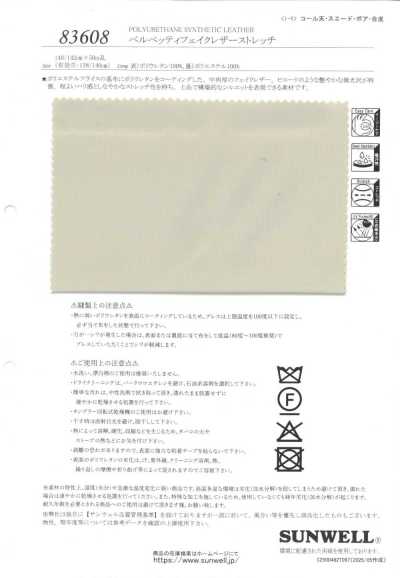
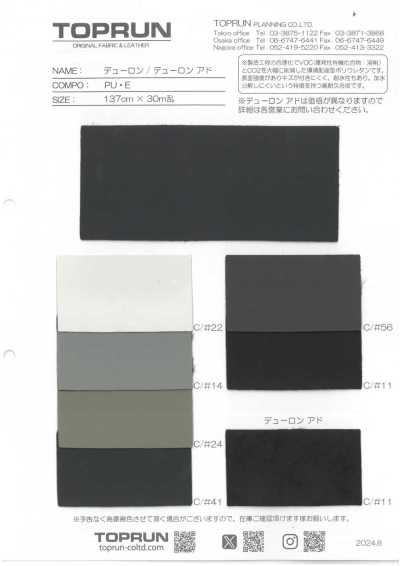
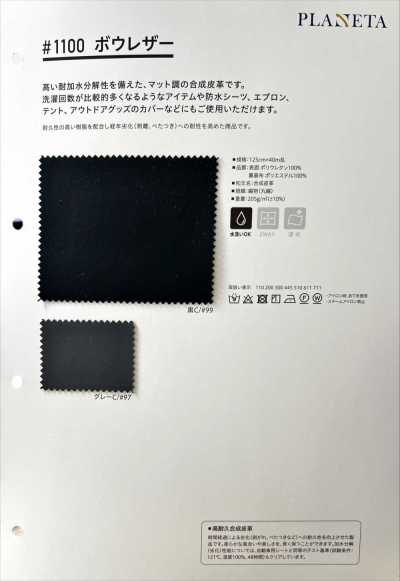
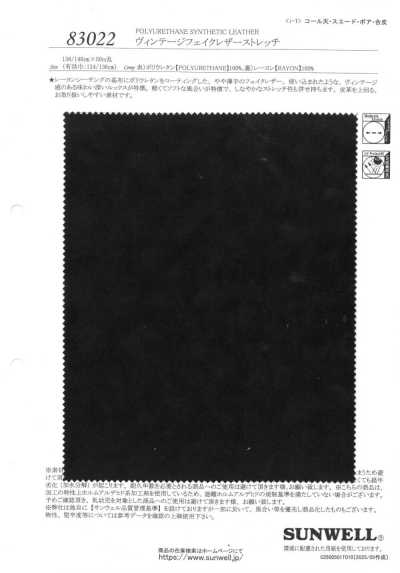
In apparel materials, it is a concern with synthetic leather using polyurethane, coatings, laminates, adhesives, and rubber-based materials. It may appear as stickiness on the surface, hardening, powdering, cracking, or peeling between layers.
Target Materials and Structure
The susceptibility to hydrolysis varies depending on the type of material, formulation, resin design, surface treatment, and usage environment. For materials containing polyurethane, it is important in practice to check hydrolysis resistance as a performance item.
The manufacturing method itself, such as woven elastic, knitted elastic, or braided elastic, does not determine whether hydrolysis occurs. Check the constituent materials, such as elastic yarn, covered yarn, and adhesive layers, together with the intended use and exposure to sweat, washing, and moisture.
- Woven elastic: a flat elastic in which elastic yarn is fixed by a woven structure.
- Knitted elastic: an elastic with a relatively soft texture made by a knitted structure.
- Braided elastic: an elastic made with a braided structure, in round or flat form.
Points to Check for Stretch and Applications
For elastic materials, check not only the width but also elongation rate, elongation stress, and elongation recovery rate. Elongation rate indicates how far it can stretch, elongation stress is the force required to stretch it by a certain amount, and elongation recovery rate is an index showing how well it returns after stretching.
As hydrolysis and other time-related deterioration progress, the material may lose its ability to recover, become hard, or break more easily. Evaluation is especially necessary in areas such as waistbands, cuffs, innerwear, and sports applications, where repeated stretching and exposure to sweat and humidity occur.
Selection and Handling Precautions
When selecting materials, check the test conditions and evaluation standards for hydrolysis resistance, and conduct prototype evaluations under temperature and humidity, washing, sweat, and stretch conditions close to the actual application. Even if a product is labeled as hydrolysis-resistant, that does not mean it will not deteriorate in every environment.
For storage, avoid high temperatures, high humidity, and sealed conditions, and do not leave items wet for long periods. Follow the product's washing and drying instructions, and check the effects of heat, detergents, and bleach for each material. Because elasticity and surface condition are difficult to restore after deterioration, preventive management is important.
Differences from Similar Terms
Hydrolysis is a chemical deterioration involving moisture. It has a different cause from the phenomenon where repeated stretching alone prevents recovery, but both reduce the elastic recovery of rubber, so they should be distinguished and the cause confirmed during use.
Hydrolysis resistance indicates durability against hydrolysis. On the other hand, wash durability is the ability to maintain function and appearance after repeated washing, and it includes not only hydrolysis but also the effects of friction, heat, detergents, and mechanical force.
Frequently Asked Questions
Can hydrolyzed rubber or synthetic leather be restored?
Stickiness, cracking, peeling, and reduced elasticity caused by hydrolysis are generally difficult to restore to their original performance. Since temporary measures such as wiping the surface cannot eliminate the cause, consider replacing the material or product depending on the extent of deterioration.
If a material is hydrolysis-resistant, is long-term storage not a problem?
Hydrolysis resistance is an evaluation of durability under specified test conditions and does not guarantee that the material will not deteriorate in every storage environment. Avoid high temperature and humidity, sealed storage, and leaving items in a wet state, and confirm the storage conditions and test details for each material.
Is the cause of rubber losing its stretch recovery hydrolysis?
The cause is not limited to hydrolysis. Repeated stretching fatigue, heat, ultraviolet light, sweat and detergents, compression during storage, and the material's inherent aging changes can also reduce elongation recovery rate. Check the usage environment and deterioration condition, and determine the cause by testing if necessary.