Body Line Tape
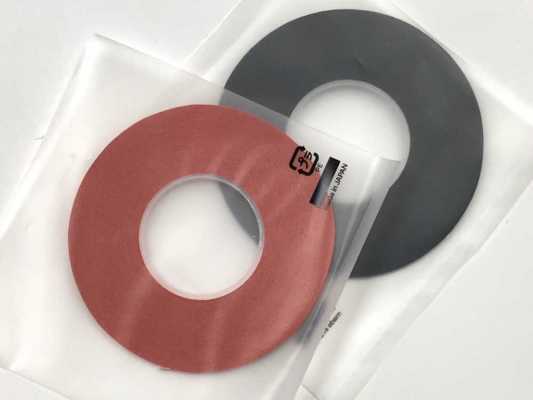
Body line tape is an adhesive tape used to mark reference lines on a dress form or torso, such as the bust, waist, and hip, for checking shape during draping and fitting.
Contents6 sections
Definition and Overview
Body line tape is a narrow tape applied to the surface of a dress form or torso to make the production reference lines visible. In draping, it is used to check positions and silhouettes that are difficult to grasp from a flat pattern.
Unlike line tape used to decorate the surface of a garment, it is an auxiliary material mainly used while working on a dress form. In catalogs and similar materials, it may also be called design tape.
Areas Used and Functions
It is generally applied to the bust line, waist line, hip line, center front, center back, and side seam. This makes it easier to check horizontal and vertical shifts, ease, and the positions of seam lines and darts when fabric is placed on the form.
Depending on the design or pattern, additional target lines may also be added, such as the neckline, armhole, and princess line. It is important to align the left and right positions and, if necessary, apply the tape in reference to the form’s base lines.
- Horizontal reference lines such as bust, waist, and hip
- Vertical reference lines such as center front, center back, and side seam
- Design target lines such as seam lines, pocket positions, and button positions
Materials and Types
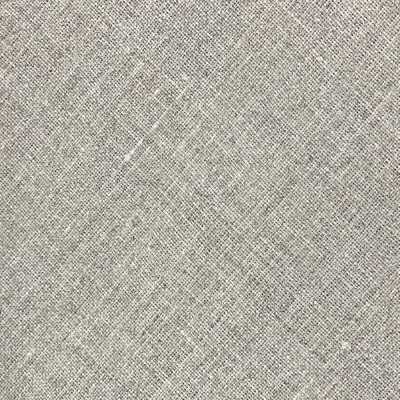
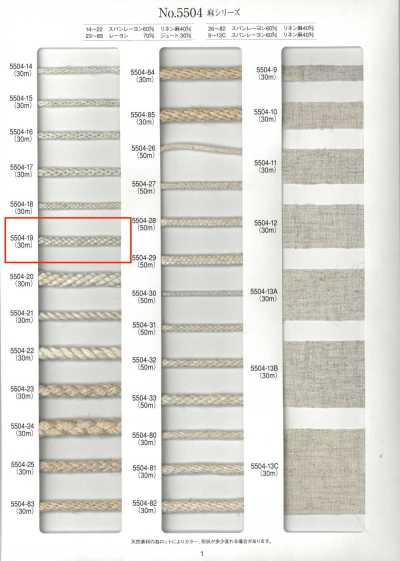
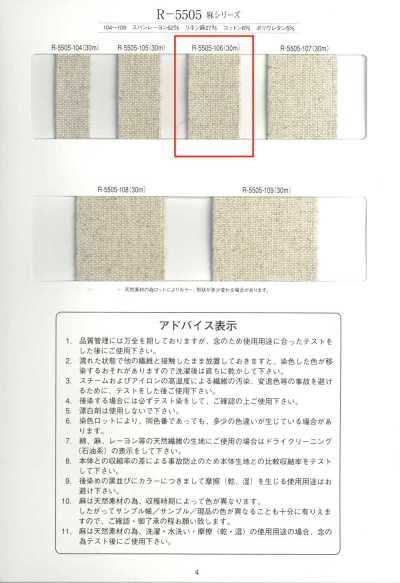
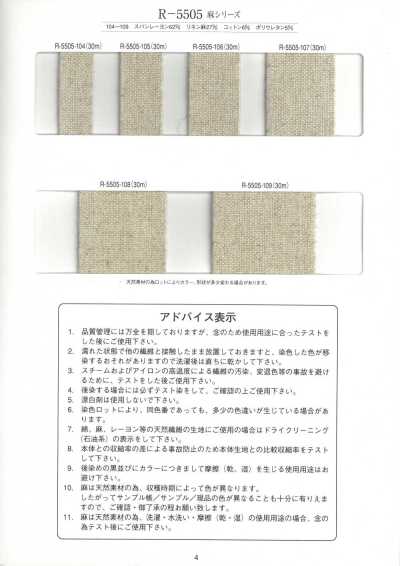
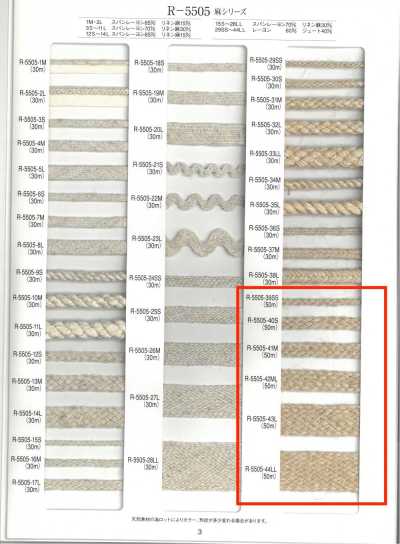
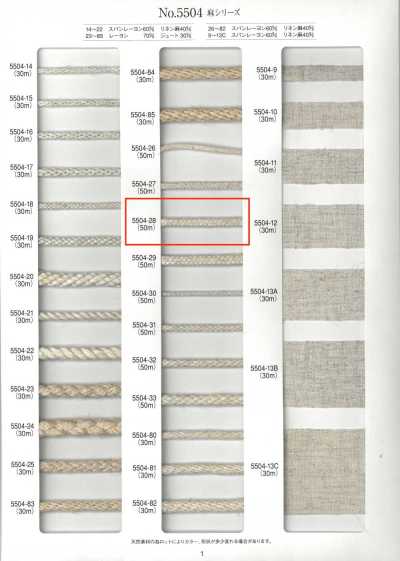
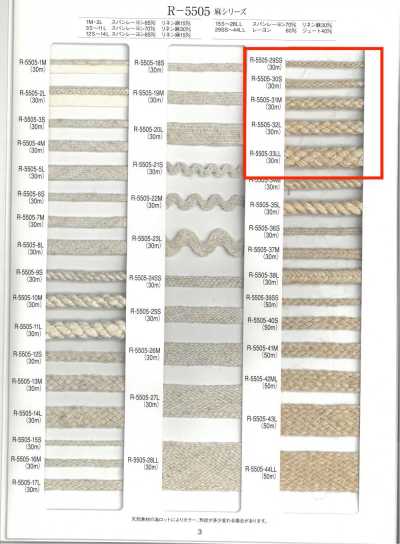
In many cases, a woven tape with adhesive applied to one side is used. Cotton versions have a subdued surface and may be chosen for visibility during pin work and for a natural look.
There are different widths, colors, adhesive strengths, and surface weaves. In addition to choosing a color that makes the reference lines easy to read, it is also important to check whether the adhesive is gentle enough not to damage the dress form covering.
Main Applications
In draping, sheeting and similar materials are placed on the dress form, and the grain and amount are adjusted based on the lines indicated by the tape. In basting, comparing the tape with the sewing line and seam positions makes it possible to check whether they are in the intended positions.
Even in pattern corrections and sample review meetings, visible reference lines make it easier to share the areas that need adjustment. However, the tape itself is not a permanent auxiliary material used on garments.
How to Choose and Handling Precautions
When selecting it, check the width that matches the size of the dress form and the lines you want to show, the color that is easy to see during work, and the adhesive strength that suits the need for repositioning. On curved areas, cutting it into short lengths and applying it little by little helps prevent wrinkles and lifting.
Before applying, remove dust from the surface of the dress form and decide the position so it is symmetrical from the reference points. If you pull strongly while applying it, the tape may stretch or the line may become crooked, so be careful not to apply too much tension.
If left in place for a long time, adhesive residue may remain. Test compatibility with the dress form covering in an inconspicuous area, and peel off unnecessary tape slowly.
Frequently Asked Questions
Can body line tape be sewn onto a garment and used?
Body line tape is an adhesive tape mainly used to show reference lines on a dress form. For sewing onto garments as decoration or reinforcement, choose line tape, bias tape, or stay tape as appropriate for the application.
Which lines should be applied as reference lines on a dress form?
It is generally a good idea to start with the center front, center back, bust, waist, hip, and side seam. Then, depending on the item and design being made, adding the neckline, armhole, and seam lines can make the work easier.
Are there any tips for applying body line tape neatly?
If you mark the reference points first and then apply the horizontal and vertical lines in order, the placement will be more stable. On curved or uneven areas, do not apply long sections at once; instead, work in short lengths little by little to reduce lifting and twisting.