Bias Tape
Bias tape is a narrow tape made by cutting woven fabric on the bias, diagonally to the grain, so that it easily covers curved edges.
Contents6 sections
Definition and Overview
Bias tape is a narrow strip of fabric cut on the bias, generally at a 45-degree angle to the warp and weft of woven fabric. Even when the fabric itself does not have much stretch, it tends to stretch along the diagonal, making it easy to follow curved edges.
It is used to finish raw edges such as necklines, armholes, hems, and pocket openings by binding them, and it is also used decoratively to add color contrast. By covering the raw edge, it helps prevent fraying while giving seam allowances a neat finish.
Materials and Structure
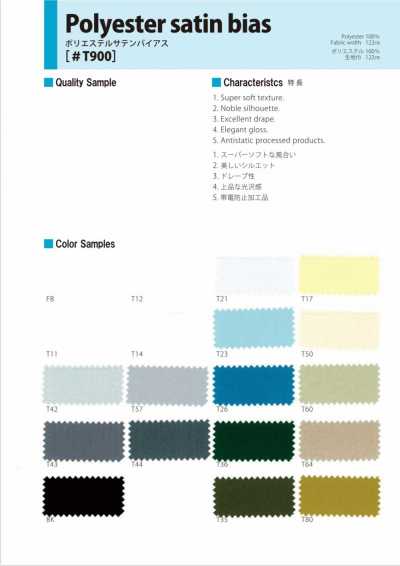
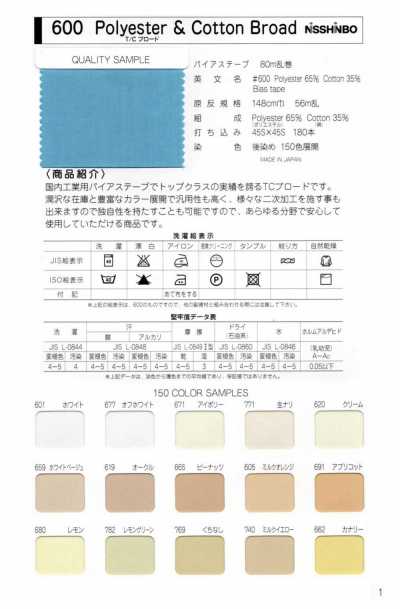
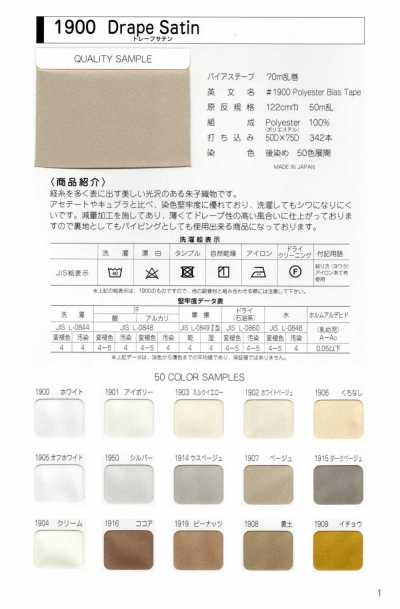
Many are made from woven fabrics such as cotton or polyester, and plain weave textiles are commonly used. Depending on the material, yarn thickness, weave density, and finishing process, softness, thickness, sheen, ease of sewing, and post-wash shrinkage differ.
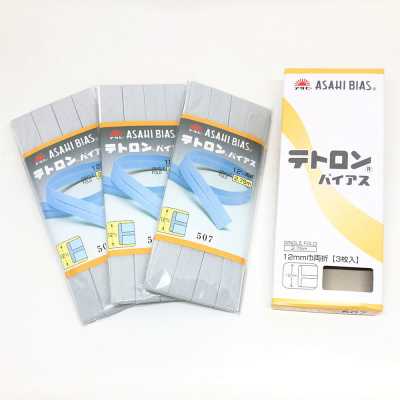
Forms of tape include raw-cut tape, single-fold tape with a fold on one or both sides, and double-fold tape folded in half at the center. Double-fold tape makes it easier to enclose the fabric edge, while single-fold tape is used for finishing seam allowances and facing-side treatment.
The term bias tape is sometimes used to refer to knit tape or stretch tape, but in its original sense it means woven tape cut on the bias. For areas that require stretch, it is important to confirm the material and structure individually.
How Width Is Shown
Width may be indicated as the full width before folding or as the finished width visible after folding. Even with the same stated width, the amount of fabric that can be enclosed and the appearance change depending on the folding specification, so check the specification drawing or the actual product.
When selecting, base the choice not only on tape width but also on the thickness of the fabric to be enclosed, seam allowance, and the width that should show on the outer side after sewing. When enclosing thick fabric or overlapping sections, check with a sample whether the fold-in amount of the tape is sufficient.
- For single-fold tape, consider how to finish the seam allowance based on the folded edge side.
- For double-fold tape, the fold widths on the front and back are not always the same, so check the side to be stitched in.
- Estimate the required length by considering how well it follows curves and the allowance needed for edge finishing.
Main Uses and How to Choose
Bias tape is used for piping-style finishing on woven necklines and armholes, edging aprons and accessories, and finishing seam allowances on the inside. Its advantage is that it conforms better to areas with many curves than straight-cut tape.
For visible applications, match the color, sheen, thickness, and post-wash appearance to the outer fabric. For necklines and armholes that touch the skin, also check stiffness and edge feel. For inside finishing, choosing a tape that is not thicker than the outer fabric makes it easier to reduce seam allowance bulk.
Handling and Differences from Similar Terms
Because the bias direction stretches easily, pulling it strongly during sewing can cause waviness and dimensional inconsistency. On curves, do not force the tape to stretch; sew while easing it in as needed. Before sewing, it is safe to test stitch on scrap fabric to check seam shrinkage, color bleeding, and post-wash shrinkage.
Raw-cut bias tape may fray at the edges, so consider edge finishing and stitch-in position. Binder tape and edging tape are broad terms for applications and sewing methods, and they do not necessarily mean woven tape cut on the bias.
Half bias tape refers to tape cut at a bias angle that differs from the usual 45 degrees. Because its stretch and how it conforms to curves are different, do not substitute it for ordinary bias tape without adjustment.
Frequently Asked Questions
How should bias tape and straight tape be used differently?
For curved necklines, armholes, and round pocket openings, bias tape is suitable because it stretches diagonally and conforms well. For straight sections or areas where stretch should be suppressed, straight tape aligned with the grain is often chosen.
How can waviness in bias tape be prevented?
When sewing, do not pull only the tape or only the outer fabric; the basic approach is to place it evenly along the curve. Before sewing, do a test stitch and adjust the presser foot pressure, stitch length, and the combination of tape width and fabric thickness.