Coil Zipper
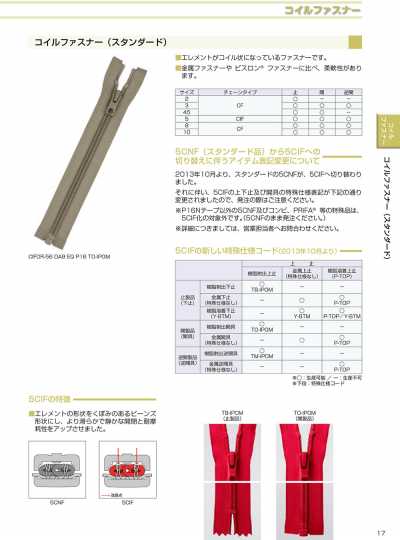
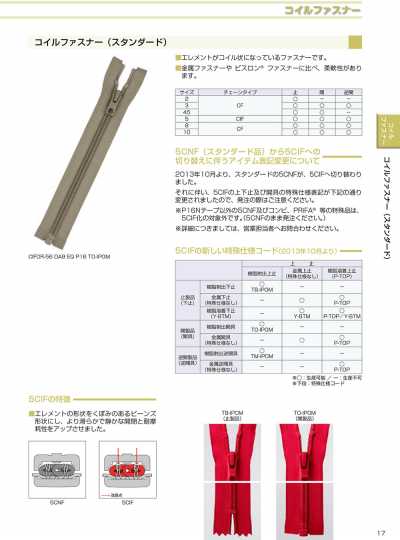
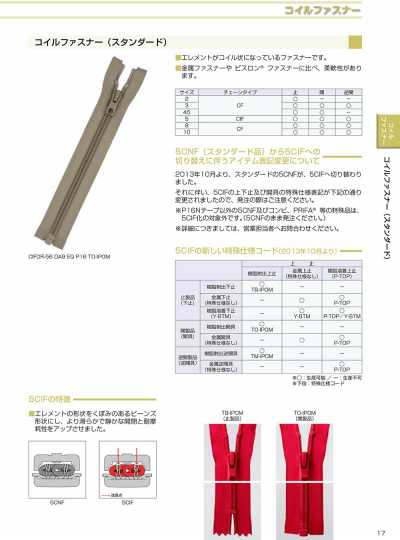
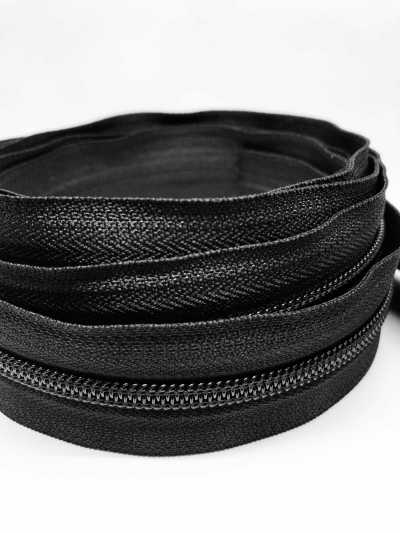
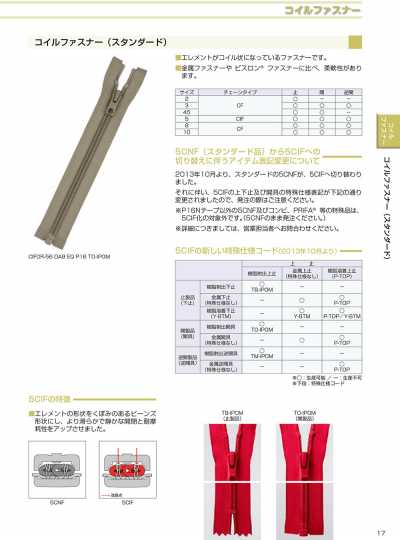
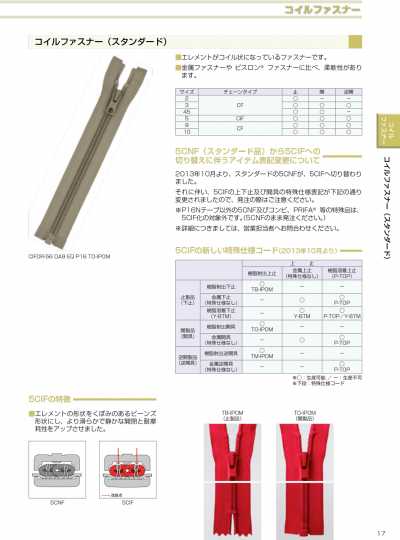
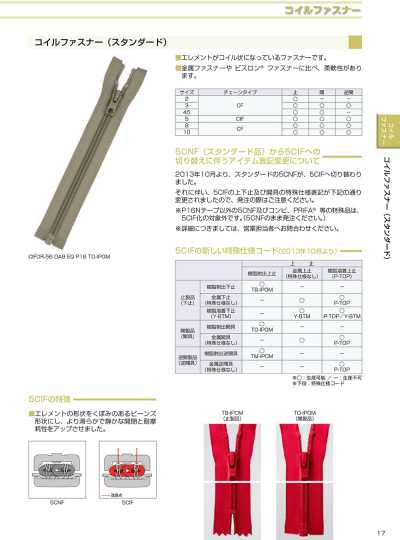
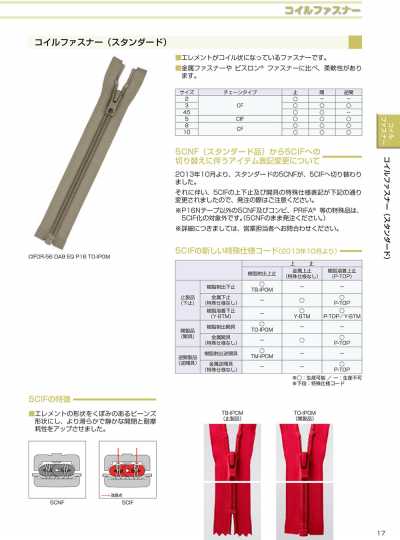
A coil zipper is a lightweight, flexible zipper made by sewing spiral-shaped plastic elements onto zipper tape and opening and closing them with a slider that interlocks them.
Contents6 sections
Definition and Overview
A coil zipper is a zipper that uses continuous spiral-shaped elements. The elements are also called teeth, but unlike a metal zipper, its structure does not have individually separate teeth lined up one by one. It bends easily and is used in a wide range of applications, from apparel to bags.
"Nylon zipper" is a customary name that refers to a coil zipper. On the other hand, "resin zipper" may refer broadly to zippers with resin teeth, so it must be distinguished from and checked separately from Vislon zippers, which have injection-molded teeth.
Structure and Components
The basic structure consists of the zipper tape that holds the elements, the slider that opens and closes them, and the top stop and bottom stop that keep the slider from coming off at the ends. In open-end types, an insertion pin and retainer box at the lower end separate and join the two sides. The pull tab is the operating part attached to the slider.
The size of the elements is shown as the tooth size, which relates to the delicacy of the appearance, the feel when opening and closing, and the strength required for the application. However, even with the same indicated size, thickness, tape width, and tensile properties may differ depending on the specification and product, so confirmation with an actual sample or specification sheet is necessary.
- Teeth: the elements that interlock on the left and right to close.
- Slider: the moving part that interlocks or separates the elements.
- Top stop and bottom stop: parts that prevent the slider from coming off the ends.
- Zipper tape: the textile tape part sewn to the textile.
Types and Specifications
Closed-end zippers, whose lower end is closed, are used for the front opening of pants, pockets, skirts, dresses, and similar items. Open-end zippers, which open at the lower end, are suitable for front openings on blousons and coats. There are also specifications such as two-way separators that can be opened and closed from both ends, and double sliders that use multiple sliders.
Length is generally indicated based on the continuous element section from the top stop to the bottom stop, or including the insertion pin and retainer box. However, because the starting point for measurement and the product designation vary by specification, it is important not to confuse this with the total tape length. When ordering, specify the length, stop style, whether an insertion pin and retainer box are included, the number and direction of sliders, left or right side, and color.
Main Applications
In light to medium-weight garments, its softness and lightness make it suitable for dresses, skirts, pants, shirts, sportswear, and more. It also blends well with curved seam lines and is used in pockets and accessory parts where light weight is required.
It is also used in bags and pouches, but where loads are high or frequent heavy opening and closing occurs, it is necessary to choose an appropriate tooth size, tape strength, and slider specification for the application. If water resistance is required, a standard coil zipper alone may not be sufficient.
How to Choose and Points of Caution
When selecting, determine the tooth size and specifications based on the thickness and firmness of the textile, the frequency of opening and closing, the load during use or when carrying contents, and the appearance. For thin fabrics, choose a specification that is not too large for the textile, and for thick fabrics or applications subject to load, confirm the required durability, including the teeth, tape, and slider.
During sewing, adjust the stitching position and presser foot so that the needle does not hit the elements or slider. If the textile stretches or the stitching shifts, it can cause waviness or poor opening and closing, so use stretch-stabilizing interfacing if necessary. It is important not to confuse the presser foot or process with zippers that require different sewing methods, such as concealed types.
When washing or product washing is performed, close the slider and be careful of the pull tab snagging the textile. The effects of heat, chemicals, and friction on appearance and operability vary depending on the materials and processing of the tape, elements, and slider, so test under actual processing conditions before mass production.
Frequently Asked Questions
What is the difference between a coil zipper and a Vislon zipper?
A coil zipper has a structure in which spiral-shaped resin elements are sewn onto the tape. A Vislon zipper generally refers to a structure in which individual resin teeth made by injection molding or similar methods are lined up. Both are resin-based, but their appearance, flexibility, thickness, and applications differ, so they are selected based on tooth shape and specifications.
Where should the zipper length be measured?
In general, check the length of the continuous elements from the top stop to the bottom stop. For open-end zippers, the indicated method may include the insertion pin and retainer box. Because this differs from the total tape length, it is important to clearly state the measurement standard in the specification sheet and cross-check it with the actual sample or the supplier's dimension indication.
Does a coil zipper get damaged by washing?
The effect of washing varies depending on the material used, surface treatment of the slider, detergent, drying conditions, and friction with other garments. Closing the zipper before washing makes it easier to reduce deformation of the elements and snagging caused by the pull tab. When performing product washing or special processing, confirm operability and appearance through a preliminary test.
- Search products for "Coil zipper"
- Products with material "Polyester"
- Products with material "Nylon"
- Products for style "For Pants"
- Products for style "For Skirts And Dresses"
- Products for style "For Outerwear/blousons/coats"
- Products for style "For Sports"
- Products for style "Outdoor"
- Products for style "For Bags"
- Products for style "For Kids"
- Browse Zipper products