Two Way Separator Zipper
A two way separator zipper is an open-type zipper that can be separated into left and right sides by unfastening the bottom box pin and is also openable from the hem side by means of sliders positioned at the top and bottom.
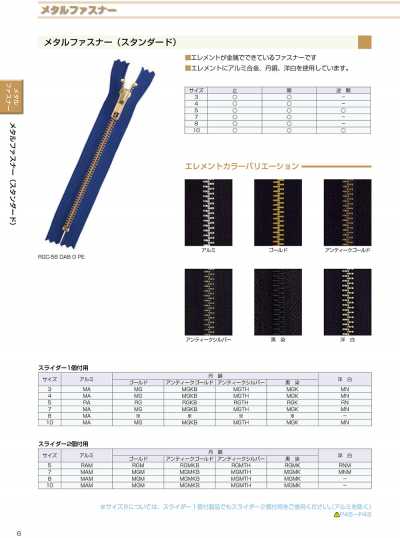
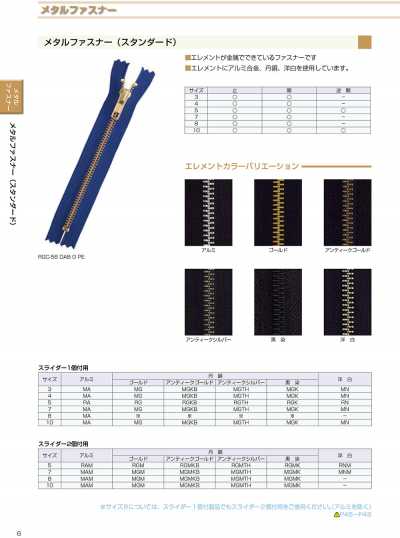
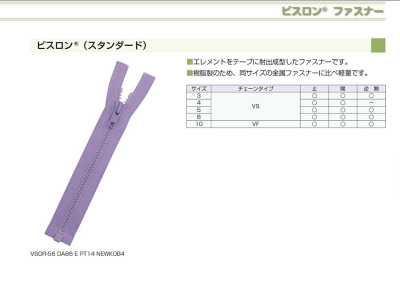
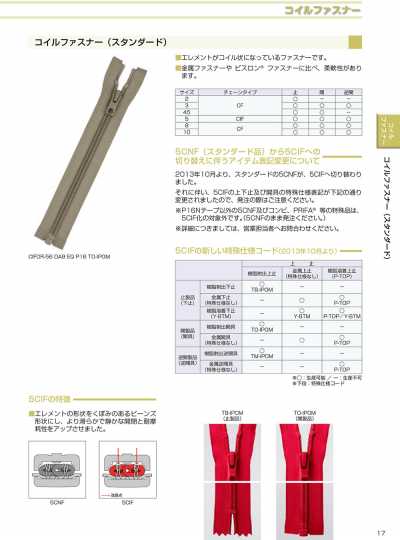
Contents6 sections
Definition and Overview
A two way separator zipper is a specification that combines a zipper with a separator at which the left and right tapes can be completely separated at the lower end, usually with two sliders. Because it can be opened and closed not only from the top but also from the hem side, it is easier to accommodate movement and temperature adjustment while worn.
"Reverse opening" refers to the function of opening from the bottom. Since the entire zipper can be separated left and right, it is a type of open zipper, and it should be distinguished from a double slider, which only indicates that it has two sliders.
Structure and Parts
The main components are the interlocking elements that open and close, the two sliders that move the elements, the tape, the top stops that prevent the sliders from coming off at the top end, and the separator at the bottom end that attaches and detaches the left and right sides. The separator generally consists of an insert side and a box side, and after insertion the sliders are moved to close it.
The bottom stop used on a closed zipper is basically not used at the bottom end of a two way separator zipper. When the hem-side slider is moved upward, an opening is created at the bottom end, making it easier to secure range of motion when sitting or walking.
- Elements: parts that interlock left and right to form the opening and closing section.
- Slider: a part that joins or separates the elements.
- Top stop: a part that prevents the slider from coming off the top end.
- Separator: a bottom-end part that attaches and detaches the left and right zipper sides.
Types and Specifications
Element materials and structures include coil, molded resin, and metal, and are selected according to appearance, flexibility, thickness, and the usage environment. Element size is a nominal dimension indicating the width of the elements, and because it affects zipper strength, presence, and ease of sewing in, it is determined together with textile thickness and applications.
Length is generally specified as the length of the zipper body from the top end to the end of the separator. However, since the measurement range and display method may differ depending on the specification, when placing an order, confirm not only the finished dimension but also whether the separator is included and the measurement standard.
- Two way separator specification that opens and closes from both top and bottom
- Open specification that can completely separate left and right
- Coil, molded resin, and metal types by element structure
- Differences in element size, tape width, length, and slider shape
Main Applications
It is used for garments such as coats, blousons, and vests that have a long front opening and require mobility around the hem. Because the lower side can be opened, it helps reduce tightness at the hem when sitting or riding in vehicles, and is also useful for adjusting the silhouette.
It is also used in sportswear, outdoor wear, and uniforms, with consideration for ventilation and ease of movement when layered. Outside of clothing, it may also be used in cases where a wide opening range is desired and for covers.
How to Choose and Precautions
Choose the element size and tape strength based on the outer fabric and lining thickness, front-edge interfacing, seam allowance, and frequency of use. Combining a thin fabric with large, rigid elements can cause waviness, while using small elements on thick fabrics may affect operability and durability. Confirm the opening and closing feel with a prototype.
In sewing, align the separator position and the left and right front edges accurately, and avoid sewing into the slider or elements. In a placket specification, it is also necessary to confirm whether the thickness around the separator will make insertion difficult. If the tape is pulled strongly while sewing, waviness may appear after sewing.
When washing, close the elements and keep the slider raised to reduce snagging on other garments. Check in advance whether the zipper is suitable for the product's washing method, whether it has metal parts, and whether it suits the processing conditions, and if the product will be washed after sewing, always conduct a preliminary test.
Frequently Asked Questions
What is the difference between a two way separator zipper and a double slider?
A two way separator zipper refers to an open specification in which the left and right sides can be separated by the separator at the bottom end and can be opened and closed from the hem side as well. A double slider refers broadly to specifications with two sliders. Even with a double slider, if the bottom end is fixed with a bottom stop rather than a separator, the left and right sides cannot be separated.
From where to where is the length of a two way separator zipper measured?
Generally, it is confirmed as the length of the zipper body from the top end to the separator at the bottom end. However, whether to include the end of the separator or excess tape may differ depending on the specification and display method. Do not judge only by the pattern dimensions; confirm the dimension standard of the supplier and specify accordingly.
What causes a two way separator zipper to be hard to open from the bottom?
Causes include insufficient insertion into the separator, distortion of the left and right front edges, thickness from the fabric or interfacing around the separator, and thread caught in the elements. It is important to perform opening and closing tests before and after sewing and to check the separator position, how the seam allowance is settled, and the movement of the slider.