Freshwater Shell
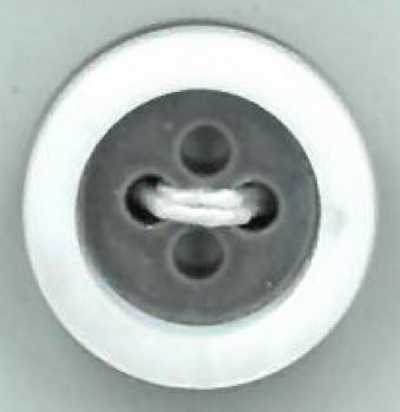
Freshwater shell is a natural button material made by processing shells from mollusks that live in rivers and lakes, and it is characterized by a natural luster and varied appearance.
Contents6 sections
Definition and Overview
Freshwater shell is a shell button material made from the shells of mollusks that live in freshwater areas. Because it makes use of the layered luster and color variation of the shell, it gives a natural look that differs from synthetic resin buttons. It is also called river shell or river shell.
Shell buttons are classified by shell type, and freshwater shell differs in the shell used as the raw material from trochus shell, white mother of pearl shell, black mother of pearl shell, and brown mother of pearl shell. Even within freshwater shell, there are individual differences in color tone, luster, pattern, and thickness.
Material and Structure
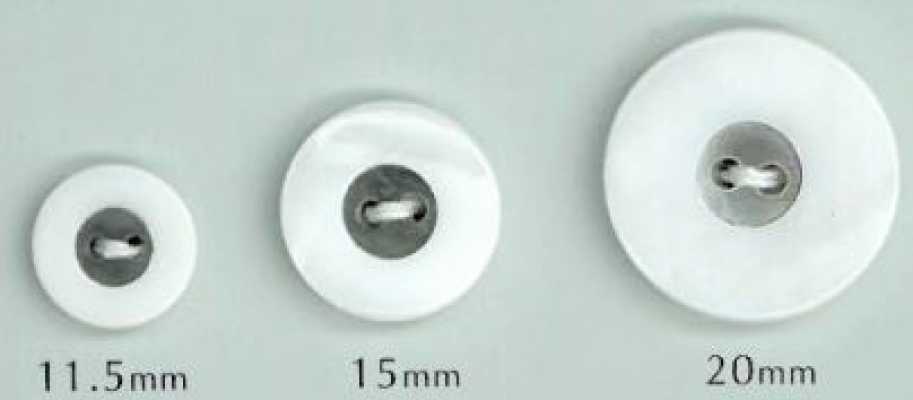
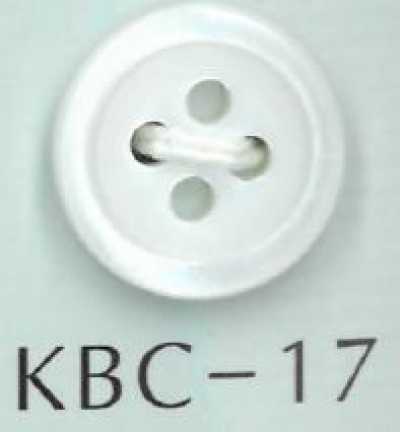
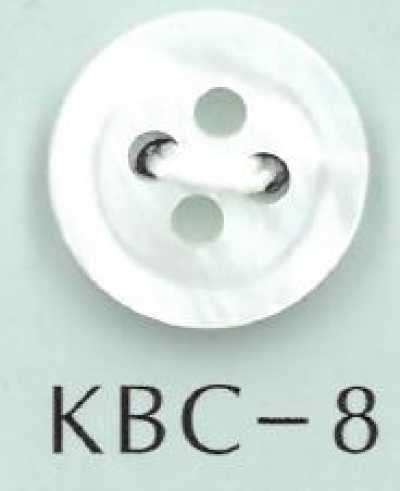
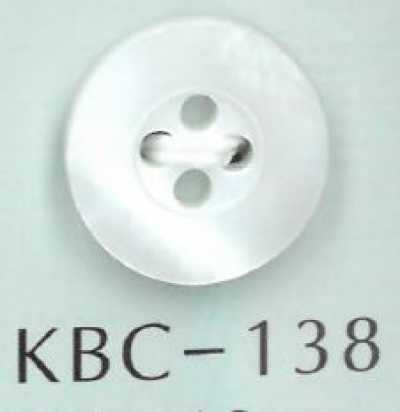
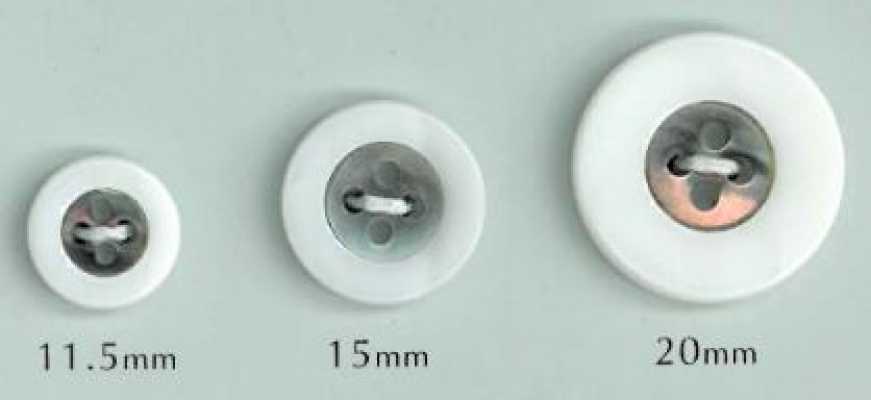
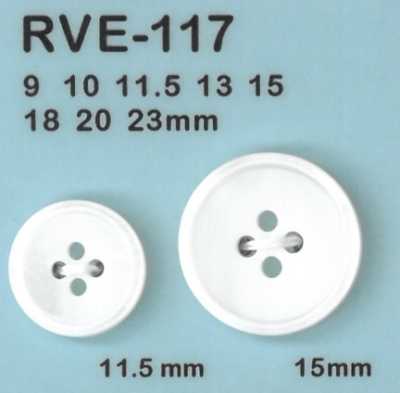
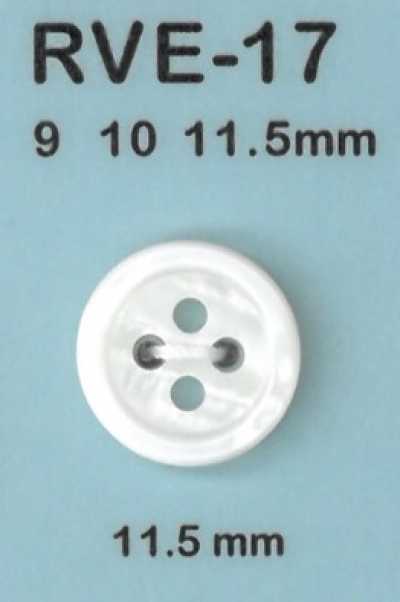
Freshwater shell buttons are generally made by punching them out of shell and polishing the surface. Flat hole-punched types are the main style, and in addition to two-hole and four-hole types, there are also shapes with a rim around the holes. The width of the rim and the position of the holes change the appearance and the stability when sewn on.
The hole-punched type is structured to be sewn directly to the textile. It differs from the structure of shank buttons, which are sewn through a loop on the back. For thicker textiles, or specifications that call for the button to sit slightly away from the textile surface, a thread shank may be made and secured with root wrapping.
- Two-hole buttons are used for small buttons on shirts and blouses.
- Four-hole buttons make it easier to adjust the appearance through the sewing direction, and are also used on front plackets and outerwear.
- Rimmed types have a more defined outline and serve as a design accent.
How Sizes Are Expressed
Button sizes are shown by diameter in millimeters, and also expressed in lignes. Lignes are a unit used in the button industry, and 1 ligne is 0.635 mm. In purchasing and specifications, it is easier to check if the management unit is standardized as either lignes or millimeters.
Because this is a natural material, there may be slight differences between the stated dimension and the finished size. For buttonholes, the actual diameter as well as the thickness and rim shape are checked when setting the size. Before mass production, it is important to perform a buttonhole insertion test with the actual item.
Main Applications and Handling
Freshwater shell is used for shirts, blouses, dresses, cardigans, and lightweight jackets. Its natural luster is used to create an accessory that shows the character of the material, from neat-looking garments to garments with a natural feel.
Although shell is hard, it may crack or chip from impact. During sewing, do not tighten the thread too much, and secure enough thread shank according to the thickness of the textile and the button. When washing, it is effective to turn the product inside out and put it in a laundry net to reduce contact with other hard accessories.
Direct exposure to a high-temperature iron or strong pressure can cause cracking or changes in luster. Whether dry cleaning is possible and how durable it is in washing depends on the button finish and the overall product specification, so before adoption, test both the accessory alone and the finished product, and determine the care label instructions.
Differences from Similar Terms
Shell buttons is the general term for buttons made from shell, and freshwater shell is one type. White mother of pearl shell and black mother of pearl shell are distinguished by the fact that they use sea shells as the raw material. Even when they look similar, the raw material, color matching with the textile, and the way the luster appears are different.
Pearl buttons may refer to buttons with a pearl-like appearance, and are not limited to shell materials. Polyester buttons and urea buttons are resin-made, and differ from freshwater shell in material, individual variation, and impact resistance.
Frequently Asked Questions
Can freshwater shell buttons be machine-washed at home?
Whether the product can be washed is judged based on the textile, sewing method, and button finish. Because freshwater shell may chip from impact, when washing, turn the item inside out, use a laundry net, and avoid strong spin-drying and contact with other hard accessories. Confirm with wash testing before mass production.
What should be noted when ironing freshwater shell buttons?
Avoid directly applying a high-temperature iron or pressing strongly on the button. Heat and pressure may cause cracking, chipping, or changes in surface luster. When ironing, avoid the button or use a pressing cloth and check the condition at a low temperature.
Are freshwater shell and white mother of pearl shell the same?
They are not the same. Both are shell button materials, but freshwater shell uses shells from freshwater areas, while white mother of pearl shell uses sea shells as the raw material. Because they are natural materials, both have individual variation, but in general the impression of the luster, color tone, and price range differ depending on the raw material and processing conditions.