Impact Resistance
Impact resistance is the property of a button that makes it less likely to crack or chip when subjected to impact from a drop, a blow, or force during putting on and taking off.
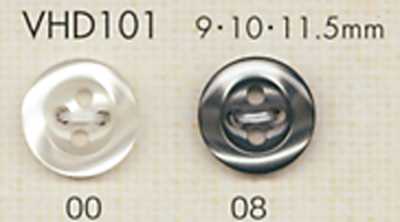


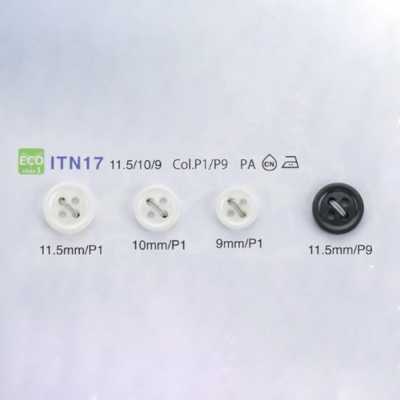
Contents6 sections
Definition and Overview
Impact resistance is a button quality characteristic that indicates resistance to cracking, chipping, and similar damage when subjected to a sudden external force. It is not simply the same as being hard; the button is expected to be less likely to break even when impacted.
For buttons, impact resistance varies not only with the inherent properties of the material but also with the molding method, thickness, shape, and the design of the holes or shank. Heat resistance, washing durability, and resistance to discoloration are separate performance characteristics, so the required items should be checked individually.
Effects of Material and Structure
Buttons with impact resistance are made from resin materials such as polyester resin or nylon. However, the resistance to breakage cannot be judged from the material name alone. It is important to check each product’s specifications, including color, pattern, thickness, and molding conditions.
For buttons with holes, such as two-hole or four-hole buttons, local stress may be applied if the area around the holes is thin or if the sewing thread is tightened too much. For shank buttons, stress tends to concentrate at the base of the shank, so the shank shape and the winding at the base during sewing also affect durability.
- For hole buttons, select a needle and thread that will not damage the area around the holes.
- For shank buttons, provide appropriate clearance between the button and the textile with base winding.
- Thin, small-diameter, or complex-shaped buttons should be checked under actual use conditions.
How Size Is Expressed
The size of a button is shown by its diameter in mm, and may also be expressed in lignes. Lignes is a size unit used in the button industry, and in purchase orders and specifications, standardizing whether to use lignes or mm notation helps prevent mistakes in confirmation.
Impact resistance is not determined by size alone, but even with the same material and design, a small, thin button or one with a narrow area around the holes or shank will experience load differently. When changing size, thickness and attachment specifications should also be reviewed.
Main Applications and Selection
Impact resistance is especially important for shirts and blouses, jackets, pants, outerwear, uniforms, and children’s clothing that are buttoned and unbuttoned frequently. It is particularly necessary to check items that may be damaged by contact with other clothing in the washing machine or by daily impacts.
When selecting a button, consider not only the button’s impact resistance itself, but also the textile thickness, buttonhole size, attachment thread, sewing conditions, and the expected washing method. Before mass production, it is safe to verify with a prototype using the actual textile and attachment method.
Attachment Method and Handling Precautions
When attaching buttons, it is important not to tighten the thread excessively and not to apply unnecessary force to the holes or shank. If a flat hole button is attached tightly to thick fabric, force is more likely to be applied during buttoning and unbuttoning, so base winding should be done as needed to create room for movement between the button and the textile.
Suitability for washing, dry cleaning, and ironing should be checked separately from impact resistance. High temperatures, chemicals, long drying times, and collision with other hard accessories can cause cracking, surface scratches, discoloration, and other issues. The product’s care label and the button’s handling conditions should be aligned.
Frequently Asked Questions
Will a button with impact resistance never crack?
Even a button with impact resistance can be damaged by a strong blow, contact with a sharp object, excessive tightening, or heat treatment unsuitable for the material. It is necessary to assume the usage environment, textile, and sewing method, and check the finished product condition before mass production.
Are impact resistance and heat resistance the same?
No, they are different. Impact resistance refers to resistance to cracking and chipping caused by impact, while heat resistance refers to resistance to deformation and deterioration caused by heat. For garments that undergo washing, drying, ironing, or pressing, each performance and condition should be checked separately.