Needle Management
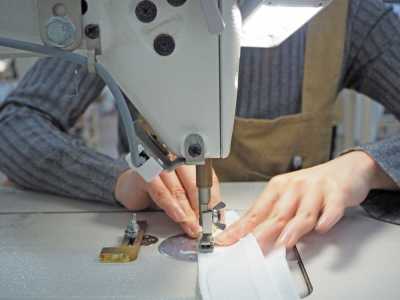
Needle management is an activity that records the breakage, replacement, and recovery of sewing machine needles and other needles used in the sewing process, and manages safety and quality by preventing broken needle fragments from getting into products.


Contents5 sections
Definition and Purpose
Needle management is a quality control activity that manages sewing machine needles, hand-sewing needles, and other needles that break or go missing during sewing. To prevent needle fragments from remaining in garments, it keeps the usage count, replacement, breakage, recovery, and verification process traceable.
The scope is not limited to sewing needles; in some cases, it also includes pins and hand-sewing needles used in the process. Because the scope differs depending on the factory and the client’s management standards, it is important to define it in writing in advance.
Position in the Product Manufacturing Process
Needle management is a control measure for preventing foreign matter contamination in the sewing process, and its role differs from needle detection, which checks finished products and other items with equipment. While needle detection aims to find residual metal, needle management is an activity that recovers needle fragments from the point a breakage occurs and suppresses the contamination risk within the process.
On the planning and production control side, the purchaser specifies the target processes for needle management, record format, actions to take in the event of breakage, and whether needle detection is required in the specification sheet and quality standards. If product washing, embroidery, or other processing is carried out after sewing, the division of responsibility for each process is also confirmed.
How to Proceed and Practical Points
At the start of work, confirm the type and condition of the needle to be used, and define the management unit for each operator or sewing machine. If a needle is replaced or breaks, record the date and time of occurrence, the process, the product control range, and the recovered needle fragment so that the products worked on before and after can be identified.
When a broken needle occurs, stop work, collect the fragments, and compare them with the original needle condition. If the fragments do not add up, separate the relevant work-in-progress or products and search and verify them, and the basic rule is not to mix them with normal products until the action is completed.
Records alone do not confirm effectiveness. The person in charge of management should regularly inspect the storage method for broken needles, omissions in record entries, handling of segregated items, and the connection with the operation of needle detection equipment, and share the procedure with workers.
- Keep separate storage locations for used needles and broken needles.
- Record the process and time period so that the affected product can be identified when breakage occurs.
- Define the method for matching needle fragments and the decision procedure when pieces are missing.
- If outsourced processing is included, check the management status also at handover between processes.
Points to Note for Orders and Quality
The purchaser should agree not only on whether needle management is implemented, but also on the isolation range in the event of breakage, the verification method, and whether record submission is required, especially for products where safety considerations are important. Because forms and operation names differ by factory, the requirements need to be specified and shared clearly.
If the fabric thickness, layering, proximity to hard accessories, or sewing conditions are not appropriate, needle breakage or bending is more likely to occur. Before mass production, perform trial sewing using the actual specification with fabric, interfacing, and accessories layered together, and confirm the needle size, needle point shape, sewing speed, and thread tension.
Needle management is not an inspection for sewing defects such as needle marks or skipped stitches. However, because wear or bending of the needle can lead to sewing defects, setting a standard for periodic replacement helps both prevent foreign matter contamination and maintain sewing quality.
Frequently Asked Questions
How is needle management different from needle detection?
Needle management is an activity that records needle use, replacement, breakage, and recovery within the process, and prevents needle fragments from being mixed in. Needle detection is an inspection that uses needle detection equipment to check finished products or in-process items and find residual metal. Using both together reduces the contamination risk.
When a needle breaks, what range of products should be checked?
Generally, when a needle breakage is discovered, in addition to the products being worked on, the scope is set to include work-in-progress and products sewn from after the last needle condition check up to that point. The target range and verification method are decided according to the factory’s work instructions and the purchaser’s quality standards.
What should be confirmed about needle management when ordering?
Confirm the target needles and processes, the procedure for stopping work, isolating items, and matching needle fragments in the event of breakage, the record contents, the location and standards for needle detection, and whether records must be submitted. If there are outsourced processes, clarify each company’s scope of responsibility and the method for transferring information as well.