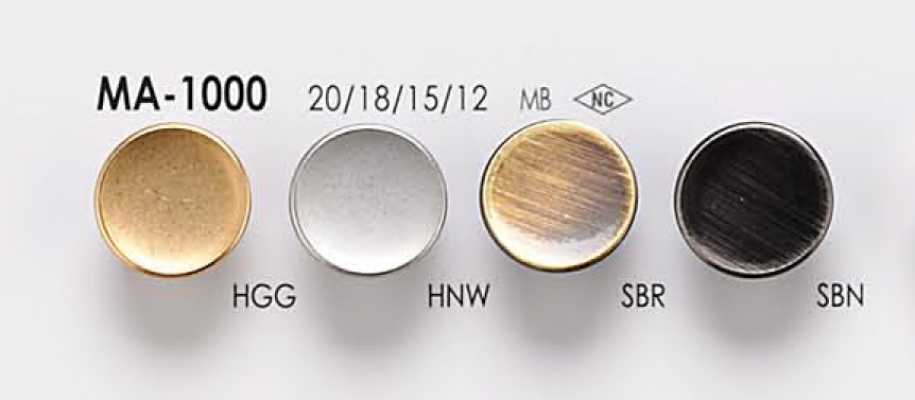
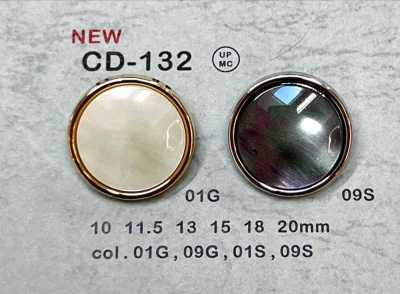
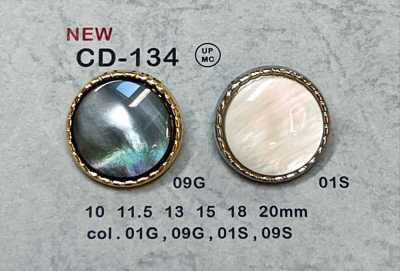
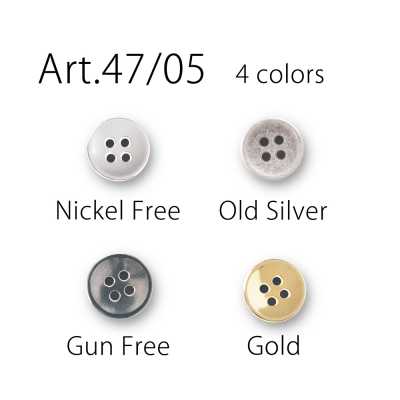
Metal Button
A metal button is a button made from metal or a metal-look material, used as a garment fastener or decoration. Depending on the surface finish and shape, it can suit a wide range of designs, from jackets to workwear.
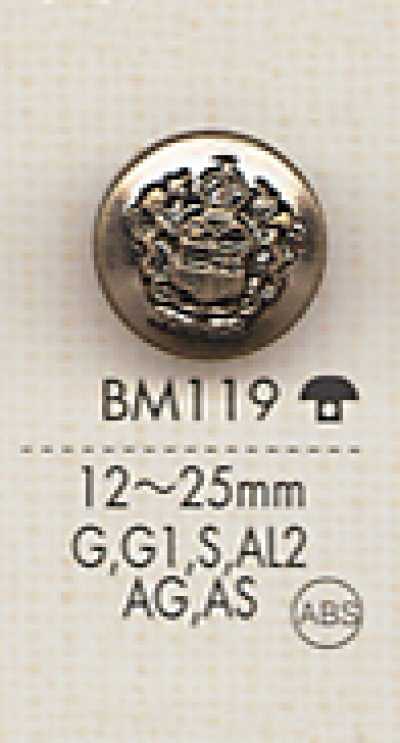
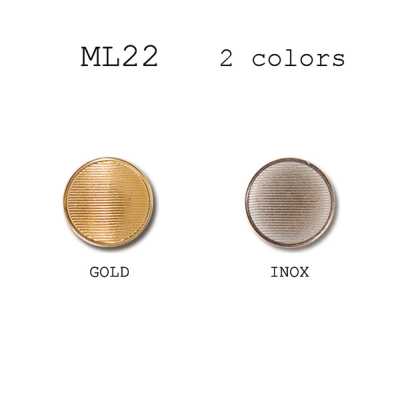
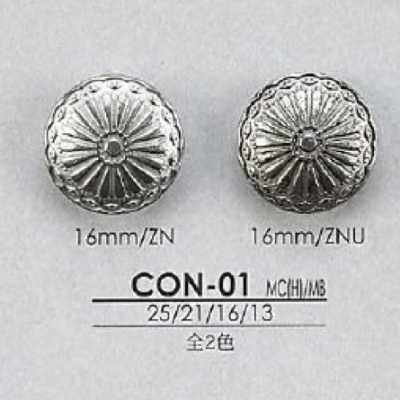
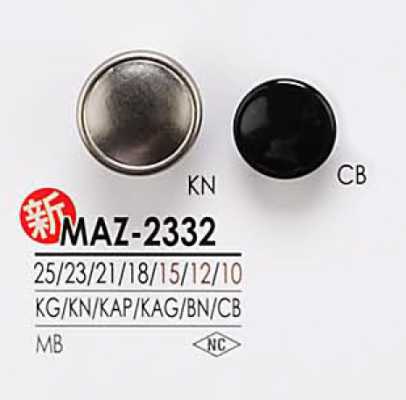
Contents6 sections
Definition and Overview
Metal buttons are a general term for buttons made primarily of metal or buttons with a metallic appearance. Their surface finishes, such as glossy, matte, or antique styles, and decorative details such as engravings or emblems, greatly affect the look of the garment.
In addition to highly decorative buttons used on jacket fronts and cuffs, they are also used as practical fasteners for uniforms, coats, pants, and more. When selecting a product, check not only the appearance but also the material, structure, and usage environment.
Materials and Structure
Materials include brass, zinc alloy, iron, and aluminum, and the surface may be finished with plating or coating. Even with the same color name, the tone, weight feel, and corrosion resistance differ depending on the base metal and finish.
Stitch-on structures include two-hole and four-hole types with holes on the surface, shank types that pass thread through a loop on the back, and tunnel shank types with a sideways opening on the back. Hole types are relatively stable and easy to sew, while shank types keep the button raised from the textile and are suitable for thicker fabrics.
- Two-hole / four-hole: A type attached by passing thread through the holes on the button surface.
- Shank button: A type in which thread is passed through the shank on the back, making the surface design easier to show.
- Tunnel shank: A shank shape with a horizontal hole on the back, so the stitching does not show on the front side.
Size Indication
Button diameter is expressed not only in mm but also in lignes (L). Lignes are a size unit for buttons, and 1 ligne is 0.635 mm. For example, 20L is approx. 12.7 mm, but the actual outer diameter and thickness should be confirmed in the product specifications.
When selecting, not only the button diameter but also thickness, shank height, hole diameter, and weight are important. Since the required buttonhole length changes depending on the button thickness and shape, prototype confirmation with the actual product is carried out before mass production.
Main Applications and Selection
Metal buttons are used for tailored jackets, blazers, coats, cardigans, pants, denim, uniforms, and more. Especially on the front placket and cuffs, they serve as both functional parts and design highlights.
Depending on the application, consider the textile thickness and weight, frequency of opening and closing, washing method, and color matching with other accessories. When attaching a heavy button to a lightweight fabric, consider reinforcement with a backing button or interfacing to suppress stretching and sagging of the textile.
Attachment Method and Handling Precautions
For shank buttons, creating a slight thread shank between the button and the textile and reinforcing the thread shank with a thread wrap makes fastening and unfastening easier even on thick front edges. Even for hole buttons, match the number of sewing thread passes and thread type to the textile thickness and button weight, and check the strength against pulling.
Resistance to washing, dry cleaning, and ironing varies depending on the type of metal, plating or coating, and whether or not there is adhesive. Since discoloration and surface scratches may occur due to moisture, sweat, detergent, or friction, handle according to the specified conditions and avoid direct exposure to excessive heat or steam.
For cast products, strong impact or excessive tightening may cause cracking, deformation, or peeling of the surface finish. Before sewing, check the appearance, shank looseness, and hole blockage, and for products that require needle detection, confirm in advance whether they are compatible.
Frequently Asked Questions
Should the size of a metal button be specified in mm or lignes?
Use the unit adopted in the planning document or specification sheet. Lignes are a widely used unit for buttons, and 1L is 0.635 mm. However, even with the same notation, the appearance and fit into the buttonhole change depending on the thickness and edge shape, so it is reliable to list both the outer diameter in mm and confirmation of the actual product.
Will metal buttons discolor with home washing or dry cleaning?
Whether discoloration occurs depends on the base metal, the type of plating or coating, and the conditions of contact with detergent, sweat, and moisture. Even with specifications that support washing or dry cleaning, friction and chemical effects from long-term use may still occur. Before adoption, confirm testing that matches the product handling conditions.
What should be noted when attaching shank metal buttons?
Because shank buttons stand slightly away from the textile, if the thread shank is too short, fastening and unfastening become difficult. Set an appropriate amount of slack according to the textile and front edge thickness, and reinforce the thread shank with a thread wrap. For heavy buttons, reinforcing the textile side with a backing button or interfacing is also effective.