Denim
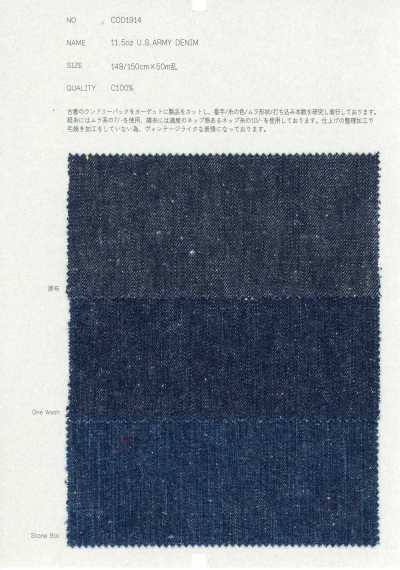
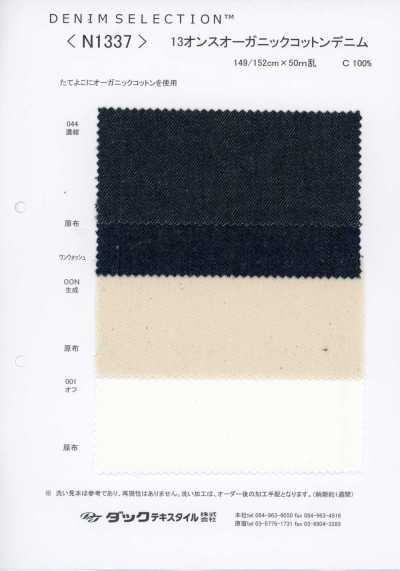
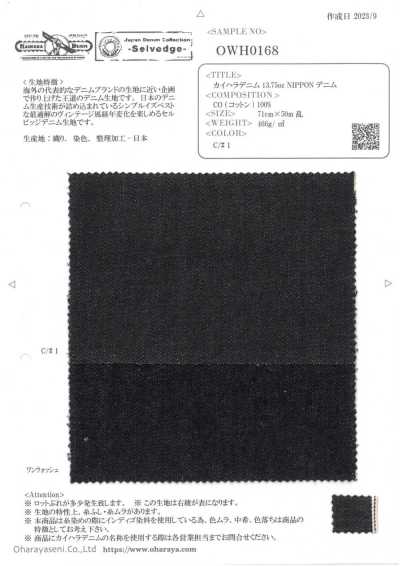
Denim is a thick twill fabric generally woven with dyed warp threads and white weft threads, and is characterized by its durability and the way its appearance changes as the color fades.
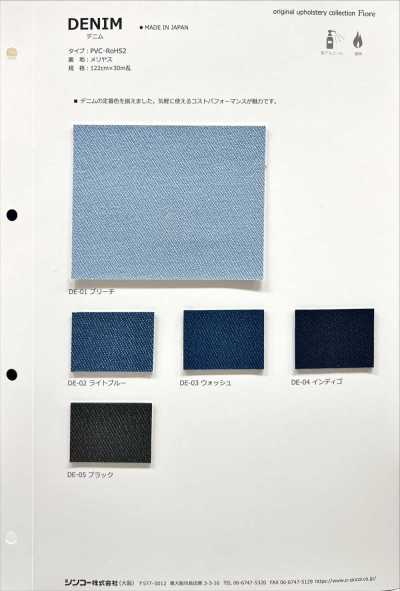
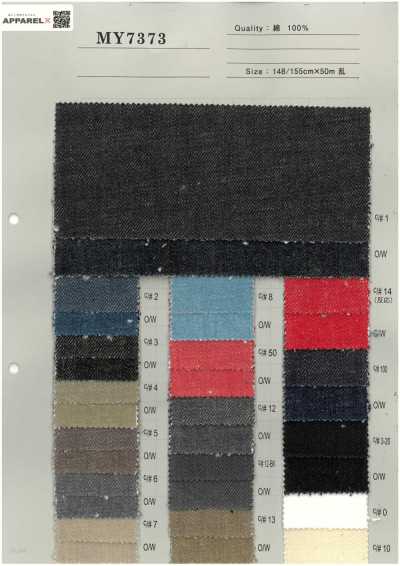
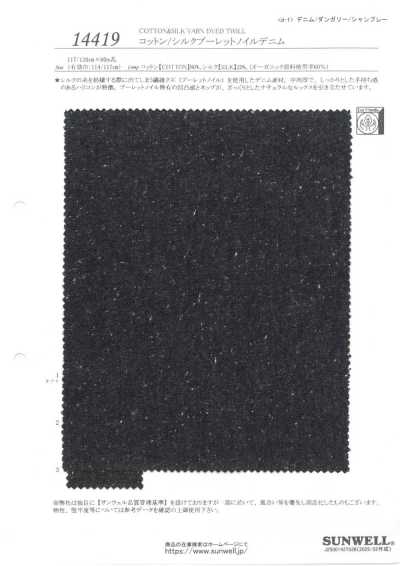
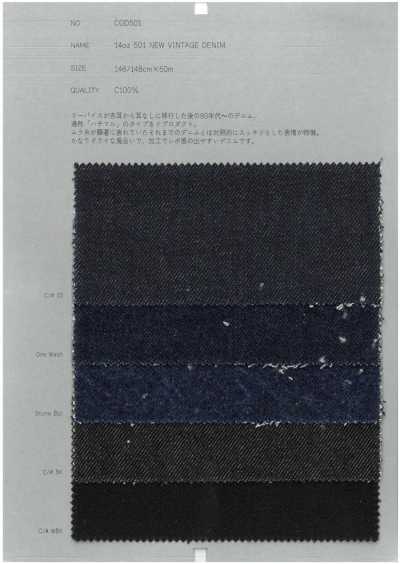
Contents6 sections
Definition and Overview
Denim is a woven fabric made in a twill weave that shows a diagonal weave pattern. In general, it uses warp yarns dyed with indigo or similar dyes and undyed light-colored weft yarns, so the front looks dark and the back looks whitish. While many types are made mainly from cotton, some recent products also use synthetic fibers or polyurethane blends.
It is widely known as a fabric for jeans, but denim is the name of the fabric itself, while jeans are the item name for pants mainly made from denim. Depending on yarn thickness, weave density, and finishing, there is a wide range of types from lightweight to heavy.
Features
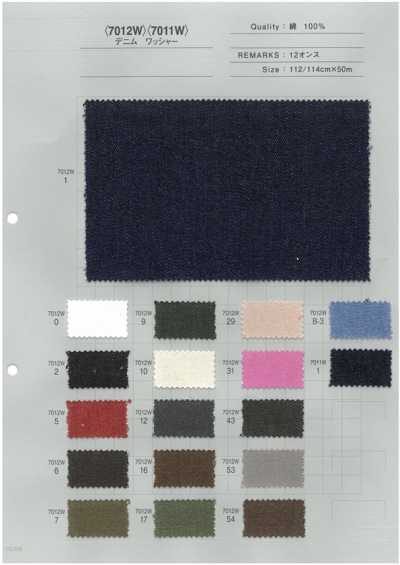
Denim has relatively firm body and resilience, making it a fabric that is easy to obtain durability from. Because twill construction also provides flexibility, even heavy fabrics can achieve a comfortable feel suited to the intended use. Washing, brushed finishes, washer finishes, and similar processes can greatly change the stiffness and surface texture.
With indigo dyeing that does not fully penetrate to the core of the yarn, such as rope dyeing, the surface color gradually fades through wear, washing, and friction. This aging effect is a distinctive appeal of denim, but it may also lead to color transfer to light-colored clothing, bags, chairs, and similar items.
- Heavy denim tends to create a strong workwear-like impression.
- Lightweight denim is easy to use for shirts and dresses, giving a lighter impression.
- Stretch types can help improve ease of movement, but the blend ratio and any loss of recovery over time should be checked.
Main Applications
Typical applications include jeans, jackets, overalls, and skirts. It is also used for uniforms and aprons with a workwear feel. Relatively lightweight and soft denim is also suitable for shirts, blouses, dresses, and kids' wear.
Well-specified denim is also used for fashion accessories such as tote bags, pouches, and hats. It can be used year-round, but because the fabric weight, thickness, blended fibers, and finishing affect how it feels to wear, selection should match the planned item and season.
How to Choose and Handling Notes
When selecting, check fabric weight, fabric width, thickness, stretchability, and the stiffness resulting from finishing. For pants and outerwear, durability and silhouette retention are important; for shirts and dresses, lightness and softness matter. If product washing is performed, check the dimensions after washing and the appearance of puckering in advance with prototypes.
Denim may shrink, twist, or fade due to washing. In the first wash and while wet, be especially careful about color transfer, and manage it according to the care instructions, such as washing separately. In sewing, the thicker the fabric, the more attention should be paid to needle breakage and thread jamming at stepped sections, and the needle, thread, and presser foot pressure should be adjusted to the fabric.
Differences from Similar Terms
Twill is the general term for twill weaves, and denim is one representative fabric that uses a twill weave. Twill also includes chino cloth and gabardine, and not all of them are made with indigo warp yarns and white weft yarns.
Chambray is characterized by a heathered appearance created by the color difference between warp and weft yarns, and it is generally made in a plain weave. It is often lighter and thinner than denim, and the main differences from denim are the front and back appearance and whether a diagonal weave pattern is present.
FAQ
What is the difference between denim and jeans?
Denim is the name of the fabric mainly made in twill weave. Jeans, on the other hand, generally refer to pants made from denim. However, jeans use fabrics made from various material compositions, such as stretch denim, and denim is also used for clothing and miscellaneous goods other than pants.
What should be considered when washing denim?
Indigo-dyed denim is prone to fading through washing and friction, so care is needed to prevent color transfer to light-colored clothing and other items. Shrinkage and twisting can also occur, so washing tests should be conducted before mass production, and products should be handled according to the care instructions, such as washing separately.
How should the thickness of denim fabric be chosen?
For pants and jackets, choose with sewing performance, durability, and silhouette retention in mind. For shirts and dresses, lightweight and soft specifications are suitable. Rather than judging by numbers alone, it is important to check fabric weight, thickness, the feel after washing, and stretchability using actual samples.