Spring Snap
A spring hook is a type of metal press fastener used on apparel and accessories that opens and closes by snapping a stud into a spring-loaded socket.
Contents6 sections
Definition and Overview
A spring hook is a type of press fastener that closes when the protruding part is pushed into the receiving part and opens when pulled apart. It uses a spring built into the receiving part to hold the protruding part, and the common type is attached to fabric by punching it in rather than sewing it on.
Materials and Component Structure
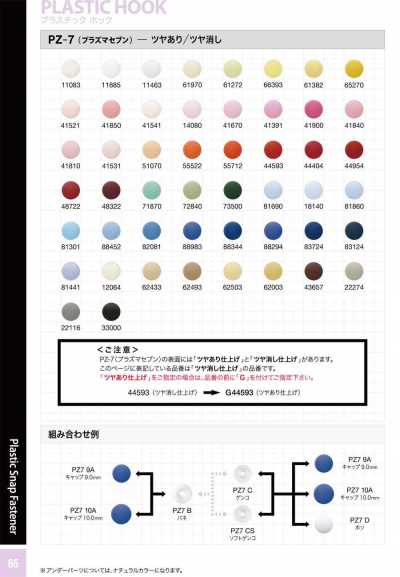
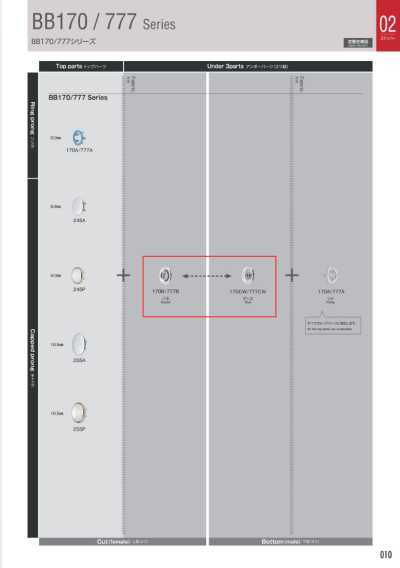
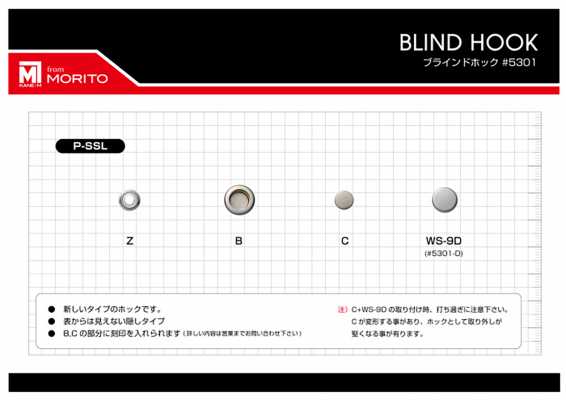
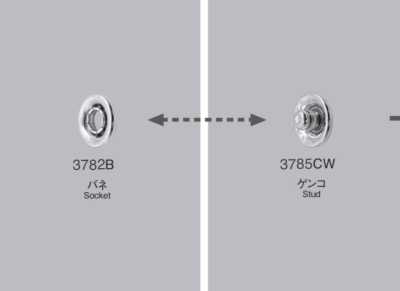
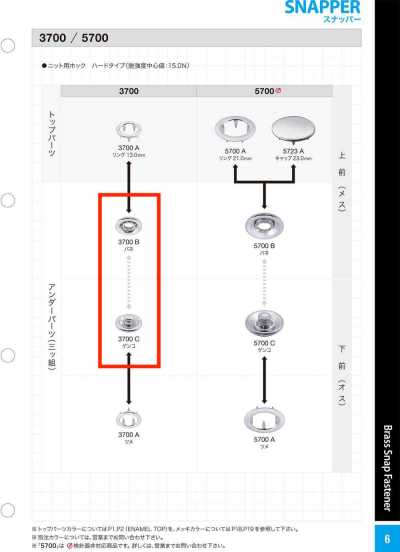
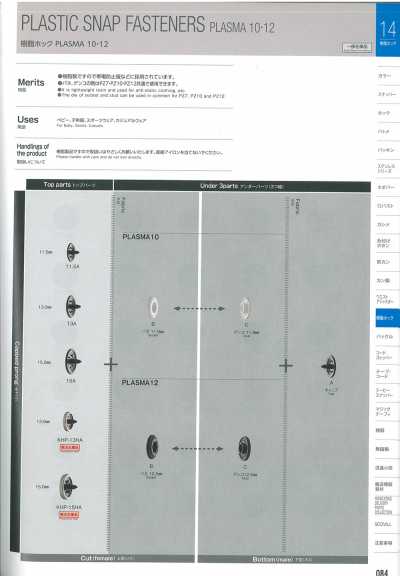
In many cases, spring hooks are made of metal, using brass or iron as the base material, with plating applied to the surface. The structure generally consists of a cap on the front side, a spring on the receiving side, a stud on the protruding side, and a washer or foot on the back side to secure it.
It is important to combine parts within the same standard and series. Even if they look similar, mixing parts with different spring shapes, foot lengths, or riveting dimensions can lead to insufficient holding power, deformation, or poor opening and closing performance.
- Cap: The head visible on the front side.
- Spring: The receiving part on the recessed side that holds the protruding part.
- Stud: The fastening part on the protruding side.
- Washer/foot: Parts that hold the fabric in place and secure each component by riveting.
How Sizes Are Expressed and How They Are Attached
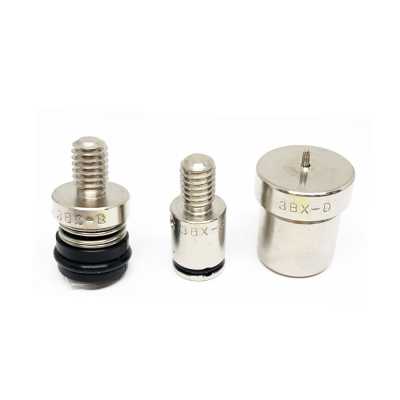
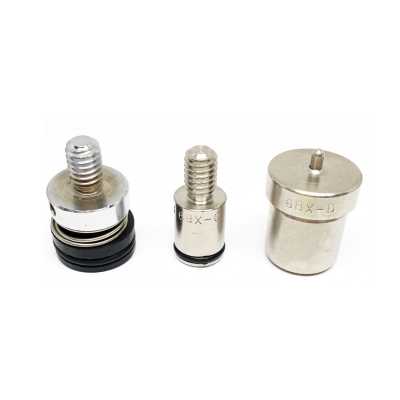
Sizes are mainly expressed by the diameter of the cap or head. However, even with the same stated diameter, the part shape, compatible fabric thickness, holding power, and dedicated setting tool differ by product. When ordering, confirm not only the head diameter but also the component configuration and compatible setting tool.
For installation, use a setting tool that matches the parts, along with a hand press or press machine. Whether to punch a hole in the fabric depends on the specification. If the pressing force is insufficient, the fastener may come loose or wobble; if it is too strong, the spring or stud may be crushed and the opening and closing performance may be impaired.
Main Applications and Selection Notes
They are used for front openings and pockets on shirts, blouses, underwear, baby and children's clothing, and lightweight outerwear. They have a relatively neat appearance and are suitable for areas that are opened and closed repeatedly, but the required holding power should be selected according to the garment's application and fabric weight.
On thin or highly stretchable fabrics, the punched area may tear or stretch easily, so interlining or reinforcing cloth is used together to ensure strength. On thick fabrics, if the foot length is insufficient, the fastener cannot be riveted properly, so trial setting should be done using the actual thickness of the layered fabric and interlining.
Plated products may discolor or rust due to sweat, washing, humidity, chemicals, and similar factors. For applications that come into contact with skin, confirm whether a nickel-free specification is required, and for products that require needle detection, confirm in advance whether needle detector compatible products can be used and what the inspection conditions are.
Differences from Similar Terms
Press fastener is a general term that broadly refers to punch-installed snap fasteners. A spring hook is one type of press fastener and is characterized by its structure with a spring-type receiving part. A jumper hook may be selected for applications requiring strong holding power, and its structure and compatible setting tool differ.
A sew-on snap is a hook attached by passing thread through holes, so its installation method differs from that of a spring hook, which uses a setting tool. In addition, spring hook may sometimes refer to a different type of hook and eye closure in apparel materials, so it is necessary to confirm from the component drawing and specifications.
Frequently Asked Questions
Can a spring hook be attached directly to thin fabric?
It can be attached directly to thin fabric, but the hole may widen or the fabric may tear when opened and closed. This is especially important for fabrics with low weave density or stretch materials, so it is important to add interlining or reinforcing cloth to the back of the punching position and perform opening/closing tests and washing tests before mass production.
Can the setting tool for spring hooks be used universally?
As a rule, use a setting tool that matches the part shape and size of the spring hook being used. Even hooks with similar diameters may differ in the cap's curved surface, spring, stud, and foot dimensions. With an incompatible setting tool, parts may be damaged, deformed, insufficiently riveted, or reduced in holding power.
Does nickel-free prevent discoloration and rust?
Nickel-free generally refers to a specification that reduces the use of nickel, and it does not mean complete prevention of discoloration or rust. Discoloration and corrosion are affected by the base material, plating, usage environment, and adhesion of sweat or detergent. Evaluate corrosion resistance and the product condition according to the application.
- Search products for "Spring hook"
- Products with material "Brass"
- Products with material "Iron"
- Products with material "Metal"
- Products for style "For Shirts/blouses"
- Products for style "For Outerwear/blousons/coats"
- Products for style "For Uniforms/Workwear"
- Products for style "For Kids"
- Browse Press Fasteners And Eyelets products