Flame-retardant Zipper
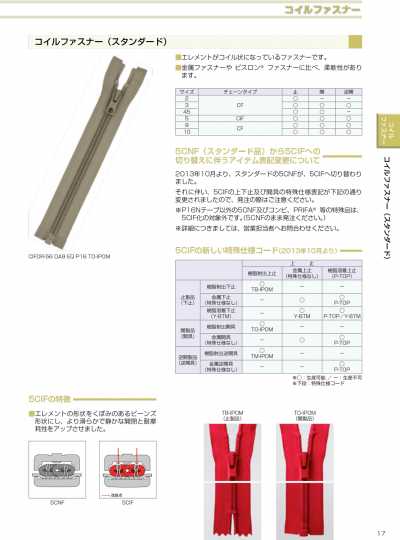
A flame-retardant zipper is a zipper designed with materials and construction such as the tape and teeth in mind so that it is less likely to spread fire when exposed to flame.
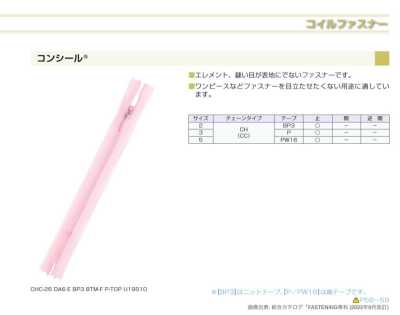
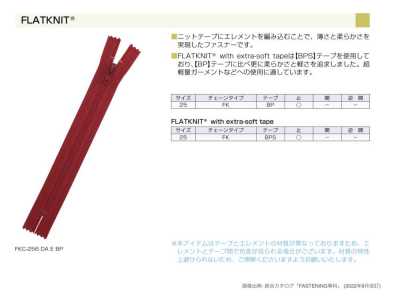
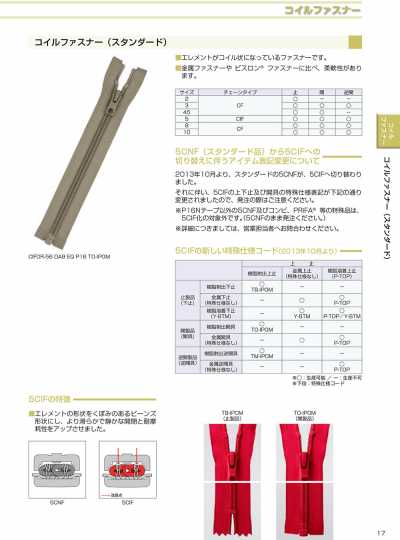
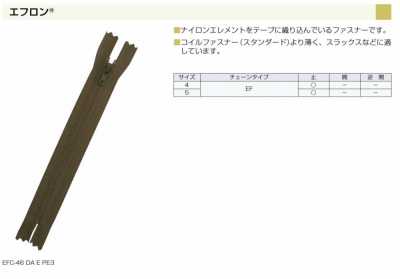
Contents6 sections
Definition and Overview
Flame-retardant zipper are designed to suppress the spread of fire when exposed to flames. zipper are used in work clothes, protective clothing, and outdoor equipment where flame resistance is required, and are chosen to match the properties of the outer and inner fabrics.
Flame retardancy does not mean "completely non-flammable." The flame retardancy of the zipper itself and the flame resistance and heat resistance of the entire product must be checked separately. Required test conditions and performance standards will depend on the applications and the specifications of the customer.
Structure and parts
A zipper consists of left and right zipper tapes, interlocking teeth, a slider for opening and closing, and top and bottom stops to secure the ends. In open-type zippers, a mechanism is attached to the bottom end to separate and connect the left and right sides.
In flame-retardant zipper, the material of the tape, especially the large surface area, is crucial. Since each component, including the teeth, slider, and stopper, has different heat resistance and behavior during combustion, it is necessary not to simply substitute them with standard products that look similar.
Types and specifications
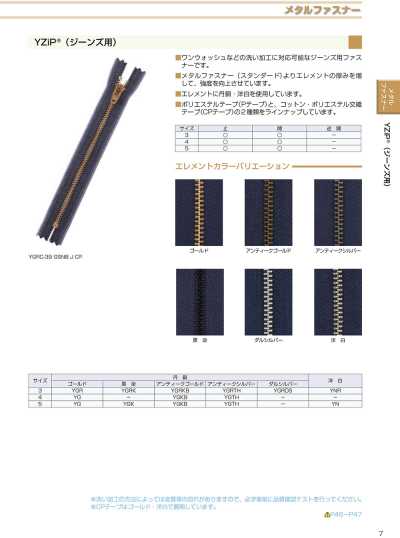
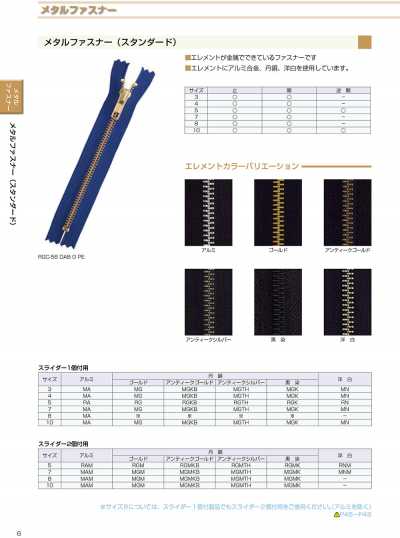
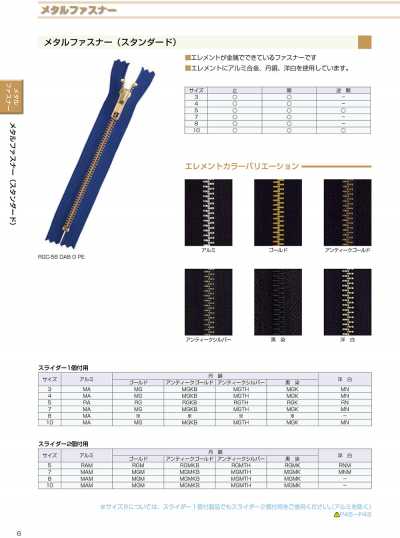
Sewing teeth come in various types, including coil, resin molding, and metal, and flame-retardant specifications vary depending on the type and material. The size of the teeth affects the smoothness of opening and closing, strength, appearance, and ease of seam allowance, so it should be selected according to the fabric thickness and applications.
Specifications include closed zipper that close at the bottom, open zipper that open from the hem, and two way separator zipper that can be opened and closed from both the top and bottom. The number of sliders and the shape of the pull tabs are also specified, taking into account the required opening length, ease of putting on and taking off, and repairability.
The length of a zipper is generally indicated based on the continuous length of the teeth from the top stop to the bottom stop, or from the top stop to the top of the opening mechanism in the case of an open zipper. Since this differs from the total length of the tape, the specification sheet will clearly state the length standard and tolerance.
- Front openings and pockets often use closure zipper.
- For tops that require a front opening or an open hem, we use open zipper.
- For long openings that need to be opened from both the top and bottom, we will consider a two way separator design.
Main applications
It is used in workwear requiring flame retardancy, protective clothing, and equipment used near heat sources. Beyond clothing, it is also used in the openings and closing mechanisms of bags and covers, depending on the applications.
When selecting materials, we check the combination with surrounding materials such as the outer fabric, sewing thread, interlining, hook hook and loop, and reflective materials. Using flame-retardant materials only in part does not guarantee that the overall product will achieve the required performance.
How to choose and points to note
During the selection process, we check the required flame retardancy standards, usage environment, tooth size, length, opening type, color, and washing/cleaning conditions. If the product requires a test report or compliance with standards, we verify that the zipper specifications and test conditions match.
During sewing, maintain a position where the needle does not hit the teeth of the sewing machine, and feed the tapes evenly on both sides to prevent waviness. With thick fabrics, the slider may become difficult to move due to uneven surfaces, so check the opening and closing mechanism in prototypes, including the overlap of facings and extensions.
Washing, drying, exposure to chemicals, and high-temperature processing may affect tape shrinkage, color change, component deformation, and opening/closing properties. Before mass production, washing tests and other procedures are conducted in the product state to ensure consistency between the washing instructions and actual handling conditions.
FAQ
Are flame-retardant zipper and fire-resistant zipper the same thing?
While sometimes used interchangeably, "flame retardant" refers to the property of being resistant to the spread of flames, while "fire-resistant" may be used in conjunction with laws, test methods, and applications labeling. It is important not to assume they are synonymous and to check the required performance, target materials, and test conditions in the specifications and documents.
If I attach a flame-retardant zipper, will the entire garment become flame-retardant?
No, that's incorrect. The overall performance of a garment is evaluated based on the outer fabric, lining, sewing thread, interlining, accessories, sewing specifications, etc. Since the specifications of the zipper alone cannot guarantee the flame-retardant performance of the product, it is checked in the finished product or in a specified configuration.
Where do you measure the length of a flame-retardant zipper?
Generally, the length of the zipper is considered to be the length from the top stop to the bottom stop where the teeth interlock. There may be differences in how the length is indicated, such as whether or not the opening mechanism is included in open-type zippers. When ordering, confirm the measurement standards for the required dimensions with the supplier and include them in the specifications.