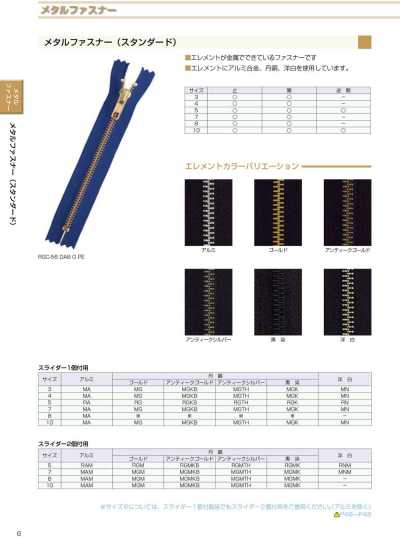
Head-to-head / Tail-to-tail
Head-to-head / tail-to-tail refers to a specification in which two sliders are installed facing each other on a single zipper chain, with the head or tail side of the sliders meeting at the center.
Contents6 sections
Definition and Overview
Head-to-head and tail-to-tail are terms that indicate the direction in which the sliders are paired on a zipper with two sliders. Head-to-head means the head sides of each slider face each other, while tail-to-tail means the tail sides face each other.
Structure and Components
A zipper consists of interlocking teeth that open and close, a slider that moves the teeth, and zipper tape that supports the teeth. On a closed-end zipper, top stops and a bottom stop are usually provided at both ends to keep the slider from coming off the chain.
In head-to-head and tail-to-tail arrangements, the position where the two sliders come close together becomes the closed position. Since the appearance, ease of use, and ability to hold the closed position vary depending on the pull direction and slider locking mechanism, the component makeup should also be checked.
- Teeth: the elements on the left and right that interlock and close the opening.
- Slider: the moving part that engages or separates the teeth.
- Top stop and bottom stop: stop parts that restrict the slider's range of movement.
Types and Specifications
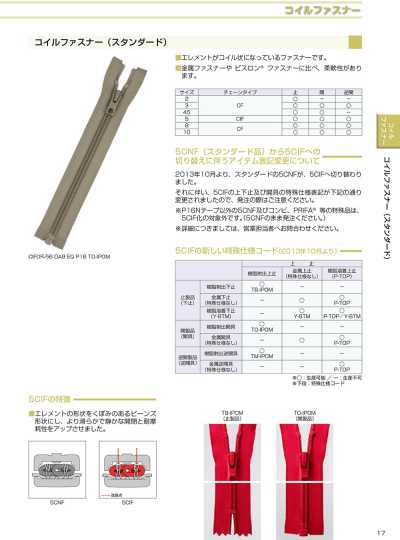
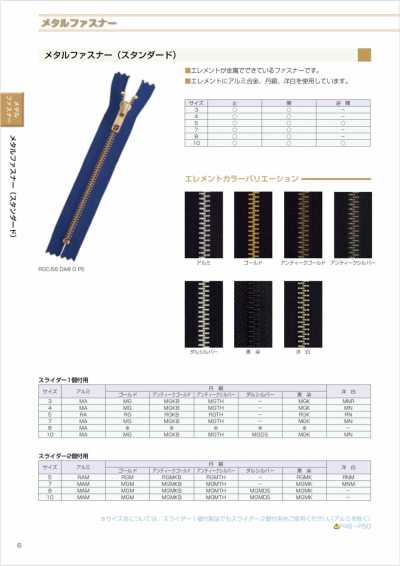
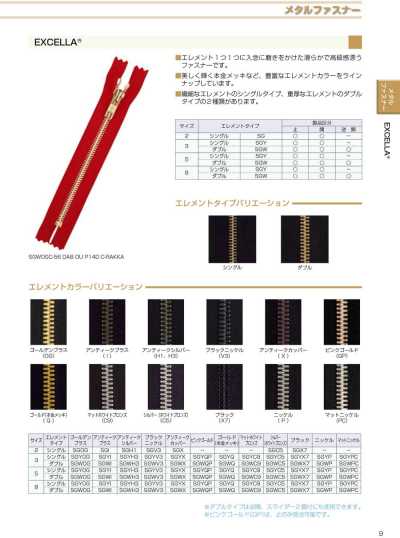
This term refers mainly to the slider arrangement, not to the material or shape of the teeth. For that reason, it may be used with coil zippers, Vislon zippers, metal zippers, and others. Choose the type according to the thickness of the fabric being used, the required strength, and the desired appearance.
When specifying, clearly indicate the tooth size, zipper length, tape color, slider and puller specifications, and whether top and bottom stops are included. Whether it is an open-end or closed-end specification, and whether a separating device is used, must also be decided separately from head-to-head and tail-to-tail.
- Tooth size: a selection factor that indicates the size of the teeth.
- Length: generally checked based on the chain length from stop to stop.
- Type of opening: open-end, closed-end, reverse opening, and so on are specified separately.
Main Applications
It is used in locations that need to open and close from both sides, or in designs that bring two pullers together near the center to close. In garments, it is seen in outerwear, pants, skirts, bags, and more, and the opening direction and puller usability are designed according to the application.
Especially for long openings, it is important to check, while worn, where to open and in which direction. For pocket openings and side openings, the position where the sliders overlap and interference with seam allowance and facing are also considered.
Selection and Points to Note
In purchase orders and specification sheets, not only whether it is head-to-head or tail-to-tail, but also the final closed position, the movement direction of each slider, the front and back, and the direction of the pullers should be shown in diagrams. Because the interpretation may differ based on the name alone, checking against an actual sample or specification drawing is safest.
In sewing, stitching while the tape is stretched can lead to waviness or poor opening and closing. Hold the left and right tape ends under the same conditions, move the slider to the center or to an end, and check the engagement of the teeth after sewing.
For products that are washed or garment-washed, consider slider wear, tape shrinkage, and lint adhering to the teeth. Zipper length is generally handled as the length between the top stop and bottom stop, but confirm the standard for each product or specification sheet and avoid confusing it with the full length including the slider.
Frequently Asked Questions
Are head-to-head and tail-to-tail the same as a reverse opening zipper?
No. Head-to-head and tail-to-tail mainly describe how two sliders face each other. A reverse opening zipper, on the other hand, refers to a type of opening specification with a separating device that can also be opened from the bottom side. Some reverse-opening specifications use two sliders, but the presence or absence of a separating device and the opening direction must be checked separately.
Where do you measure the length of a head-to-head or tail-to-tail zipper?
In general, the zipper length is checked as the length from the top stop to the bottom stop for the continuous teeth section. However, for open-end specifications, the separating device may be included, or a different standard may be used. Since the slider size and extra tape length are usually handled separately, match the finished product dimensions and the specified standard when ordering.