Shank Button
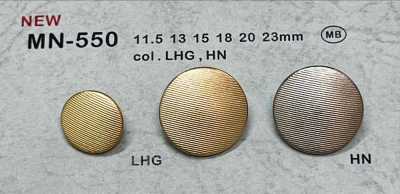
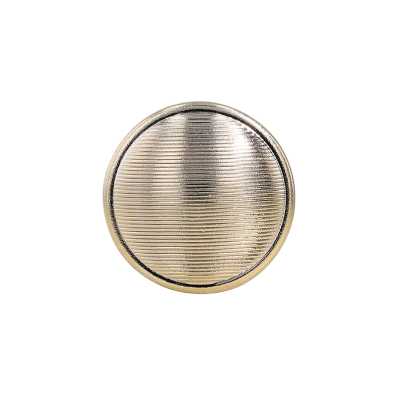
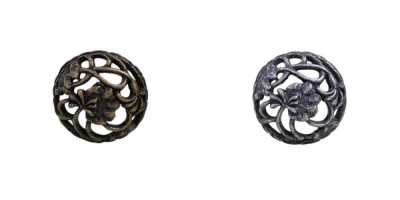
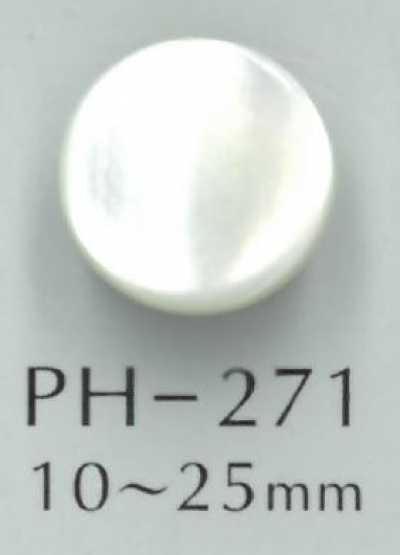
A shank button is a button that is attached by passing sewing thread through the shank on the back, without thread holes on the front surface.
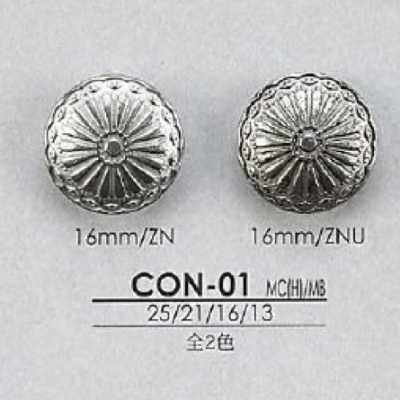
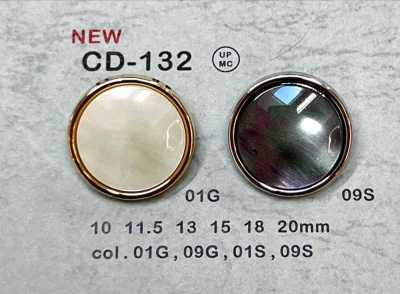
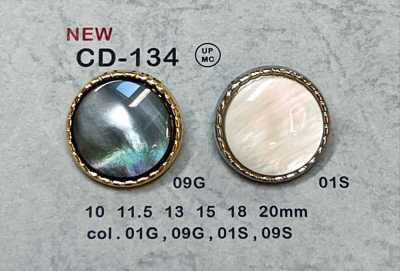
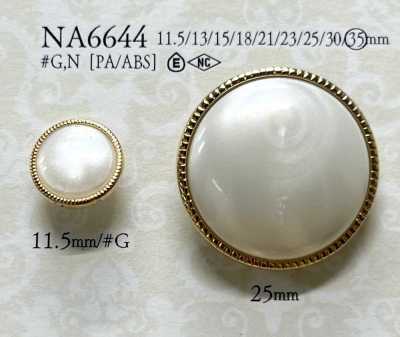
Contents6 sections
Definition and Overview
A shank button is a button with a structure in which sewing thread is passed through a shank protruding from the back of the button body. Because no holes are visible on the front, it is easy to show the decorative face, and it is also used for buttons that themselves have thickness and a raised look.
Materials and Shank Structure
Materials include resin, shell, buffalo horn, metal, glass, and more. In addition to those molded with the shank as one piece with the body, there are also types with a separate metal shank attached. Depending on the material and the method of joining the shank, strength, weight, and resistance to washing and cleaning differ.
Shank shapes include tunnel shanks, where the thread passes through a side-opened tunnel, ring shanks, made by bending wire into a loop, and parachute shanks, which have multiple thread holes. The inside diameter of the shank, its direction, and the thickness at the base are items to check in relation to the thread used and the sewing method.
- Tunnel shank: A shank that lets thread pass through a tunnel-like space on the back.
- Ring shank: A shank made mainly by forming metal wire into a loop.
- Parachute shank: A shank with multiple thread holes, making it easier to sew on stably.
How Sizes Are Expressed
Button size is generally expressed by the outside diameter in mm or lignes. Ligne is a traditional unit of measure used for buttons, and in specifications and orders, listing the mm equivalent as well as the ligne size helps reduce misunderstandings.
For shank buttons, in addition to the outside diameter, the overall thickness and shank height are also important. If the shank is too high, the button can float away from the textile too easily; if it is too low, it becomes difficult to accommodate thick textiles or buttonhole thickness, so selection should be based on the textile used and the thickness of the placket.
Main Uses and How to Attach Them
They are used as fasteners or decoration on jackets, coats, dresses, blouses, cardigans, and more. On thick textiles, hairy textiles, and raised designs, the shank height makes it easier to adjust the fit around the buttonhole.
When sewing on, pass thread through the shank hole and secure it to the textile. In areas subject to heavy load or on thin textiles, adding a backing button on the reverse side can distribute stress on the stitches. The gap between the button and the textile is set after confirming that it passes through the buttonhole without strain.
Handling and Differences from Similar Terms
Suitability for washing, dry cleaning, and ironing is judged mainly by the button material, coating or plating, and the method used to bond or secure the shank, rather than by the shank shape. Direct exposure to a hot iron can cause resin deformation, coating discoloration, deterioration of bonded areas, or cracking of glass and similar materials, so handle according to the attached care instructions.
Two-hole buttons and four-hole buttons are threaded through holes on the front, whereas shank buttons are threaded through the shank on the back. Tunnel shanks, ring shanks, and parachute shanks refer to specific shank structures found in shank buttons, and shank button is the broader category that includes them.
Frequently Asked Questions
How should shank buttons and two-hole or four-hole buttons be used differently?
Shank buttons are suitable when you want to show the front design or when the button has thickness and it is difficult to make holes on the front. Two-hole and four-hole buttons are flat and easy to sew on stably, and they are also widely used on casual shirts. Choose based on the textile thickness, buttonhole, and sewing specifications.
Can shank buttons be machine washed at home or dry cleaned?
Whether they can be used for such cleaning cannot be determined by the shank alone. Resistance differs depending on the material, such as resin, shell, metal, or glass, whether there is coating or plating, and how the shank is secured. Check the product care label and the handling conditions for the button, and do not apply an iron directly.