Knee Lining
Knee lining is a partial lining mainly attached to the inside of the front of pants, from the waist area to around the knees, and is used to improve ease of putting on and taking off, comfort against the skin, and to help reduce wear on the outer fabric.
Contents6 sections
Definition and Overview
Knee lining is a lining used on the inside of the front panels of pants such as slacks. It generally covers from around the waist to around the knees, and is a specification that makes it easier to maintain lightness and breathability than a full lining that lines the entire leg.
Although the name includes “knee,” it does not refer only to fabric applied to the back of the knee. It often refers to a partial lining placed on the front of pants, and specifications should clearly state the placement and length so everyone shares the same understanding.
Parts Used and Role
It is mainly used for wool slacks fabric, outer fabric with a brushed feel, and outer fabric that tends to cling to the skin. It helps the leg slide in smoothly and reduces the outer fabric catching on the leg while walking.
By placing the lining between the outer fabric and the leg, it reduces friction that tends to occur around the knees. It also serves a supplementary role in protecting the outer fabric, but durability against heavy stress is also affected by the structure of the outer fabric, sewing, and amount of ease.
Materials and Types
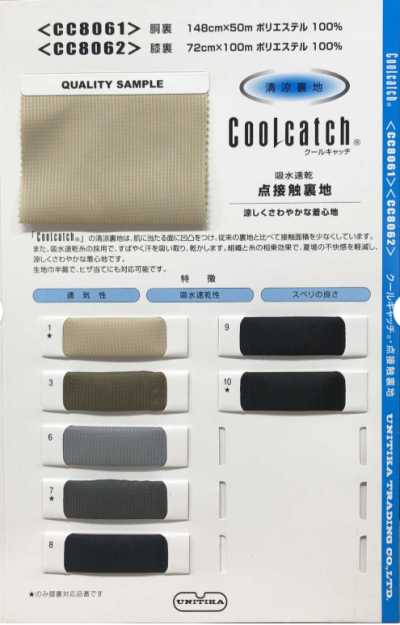
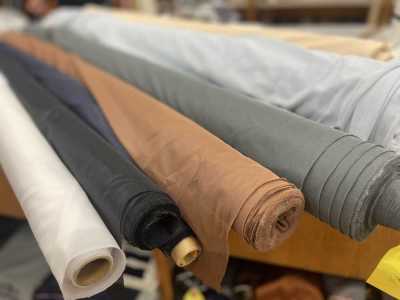
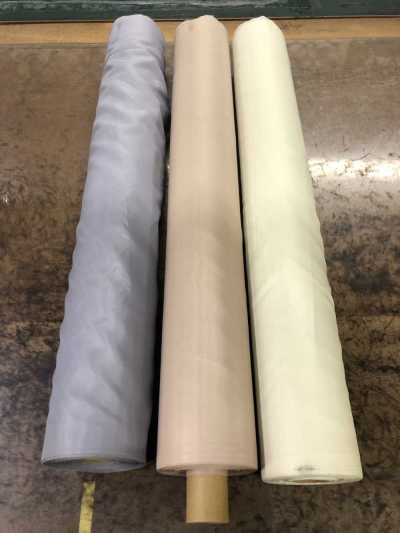
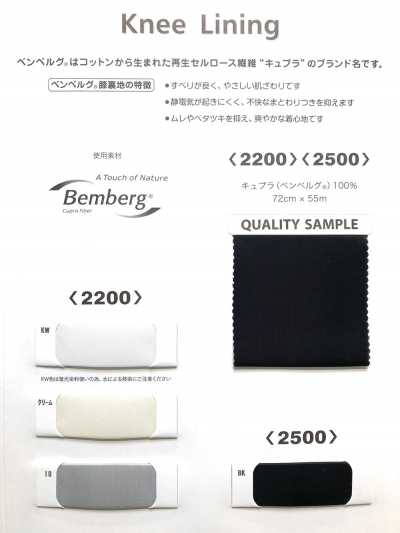
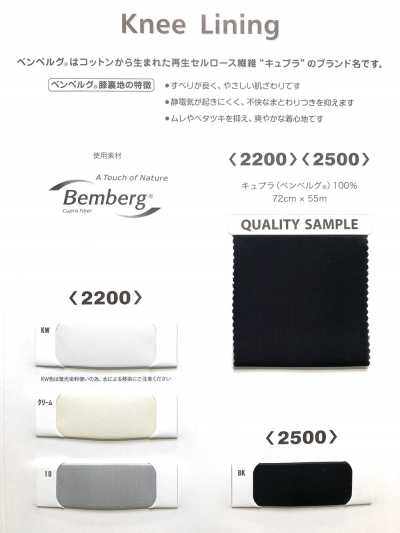
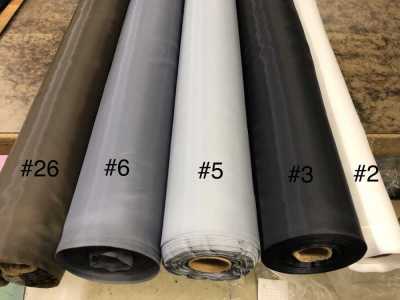
For knee lining, slippery woven lining fabrics are often used. Options include Cupro, polyester, and rayon, and in addition to fiber type, it is important to check surface smoothness, thickness, antistatic properties, and washing conditions.
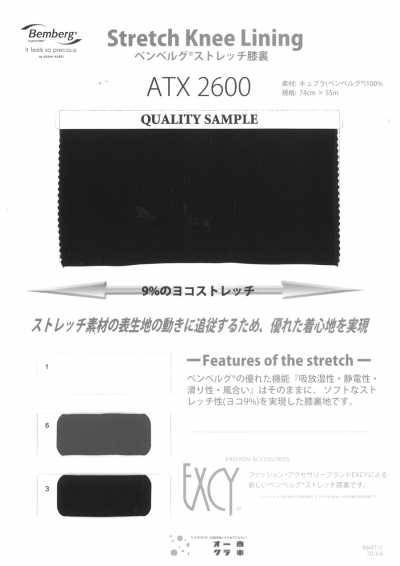
For stretch pants, one option is to choose a lining with stretch properties or a knit lining. However, if the direction of stretch or recovery differs greatly from the outer fabric, it may lead to tightness when worn, wavy seams, or tearing of the lining.
- For thin outer fabrics that are prone to sheerness, check the lining color and transparency.
- For light-colored outer fabrics, also check under lighting whether the lining affects the outer side.
- For applications where static electricity is likely to be a problem, antistatic lining is also an option.
How to Choose and Points of Caution
When matching with the outer fabric, first check slipperiness, thickness, and drape. If the lining is not slippery enough, it becomes difficult to put on and take off; conversely, if it is excessively slippery, it may affect the wearing feel and handling during sewing. It is important to confirm it with the actual outer fabric layered together.
If the outer fabric has stretch, check the amount of stretch needed when bending the knee. If only the outer fabric stretches and the knee lining does not follow, the knee area will feel tight. If sheerness is a concern, check not only the color but also the sheen of the lining.
Sewing Notes
Knee lining is sewn according to the specifications around the side seams of the front panels, the crotch, and the fly or extension area. To prevent the lining from pulling on the outer fabric, ease may be added as needed, and after sewing, both the flat state and the worn state should be checked.
When cutting, align the grain of the outer fabric and lining, and match the left and right placement and length. For thin, slippery lining, adjust the presser pressure, feed, and needle-and-thread combination according to the fabric to prevent seam shifting and puckering.
Frequently Asked Questions
What is the difference between knee lining and full lining?
Knee lining is a partial lining mainly used from around the waist to around the knees in the front panels of pants. Full lining refers to tailoring with lining attached over a wider area. Knee lining is easier to finish lightly and allows breathability more easily than full lining, but the area covered by lining is limited.
Can knee lining be attached to stretch pants?
Yes, but it is necessary to check whether the knee lining can follow the stretch of the outer fabric. A stretch lining or knit lining may be used, but the stretch direction, recovery after stretching, and seam strength should be verified in a prototype in advance, and tightness should be evaluated with the knee bent.