Sleeve Lining
Sleeve lining is a textile attached to the inside of the sleeves of jackets, coats, and similar garments, used to improve ease of putting on and taking off and to help maintain the outer fabric and sleeve shape.
Contents6 sections
Definition and Overview
Sleeve lining is the lining used on the inside of the sleeve portion of a garment. It is mainly used in jackets, suits, coats, and similar items, and reduces friction when putting the sleeves on. Its function differs from body lining, which is attached to the torso area, in the part used and the required performance.
Sleeve lining also covers the seam allowances of the outer fabric and the internal structure around the sleeve cap, helping to improve the appearance. Since it may be visible from the cuff, color, pattern, and sheen are also sometimes chosen as design elements.
Area of Use and Role
Sleeve lining is placed on the inside of the sleeve tube from the shoulder point to the cuff. Because it comes into contact with the arm and inner layers during wear, good slipperiness affects ease of putting on and taking off as well as ease of layering. Slipperiness is especially important for outer fabrics with fuzz or uneven surfaces.
Using sleeve lining makes it less likely for the outer fabric to be pulled by the movement of the arm, helping the sleeve keep its shape. On the other hand, if the sleeve lining dimensions or ease are insufficient, it may lead to tightness during movement, stress on seams, and pulling in the outer fabric.
Materials and Types
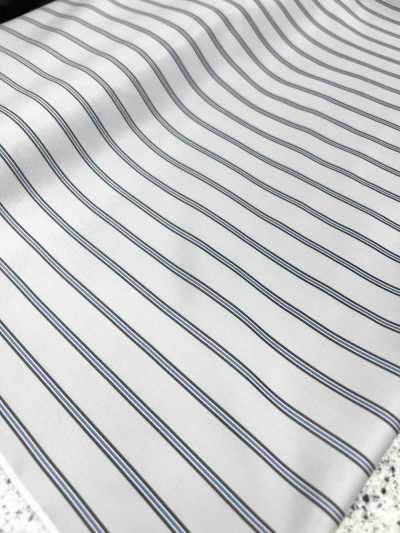
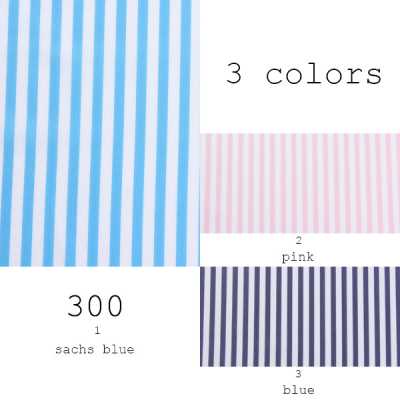
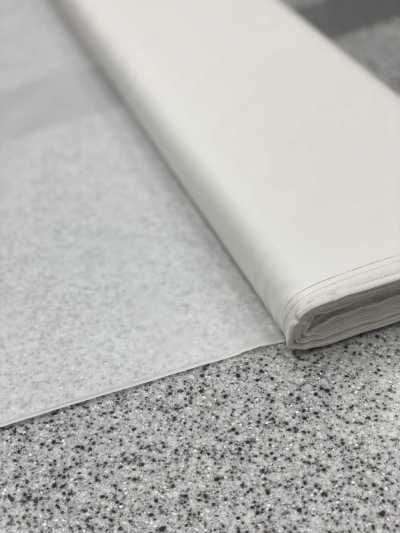
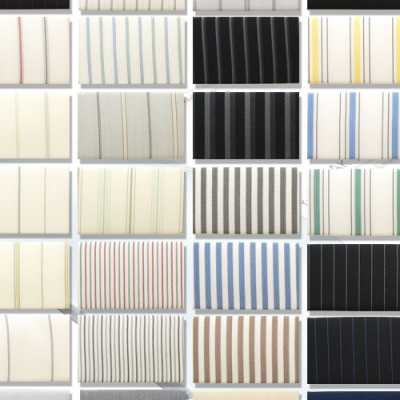
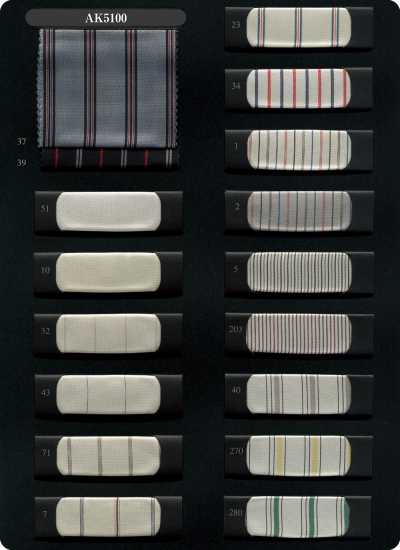
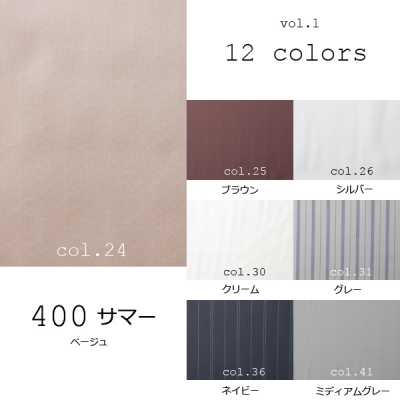
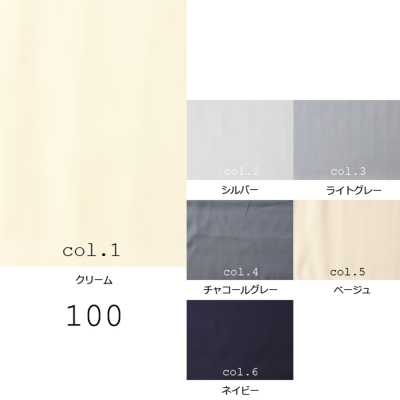
Woven fabrics made from Cupro, polyester, rayon, and similar materials are often used for sleeve lining. Fabrics with a smooth surface make arm passage easier, and patterned fabrics such as stripes are also used for how the sleeve lining looks and for distinguishing left and right sides.
For outer fabrics with stretch or garments with a large range of motion, stretch lining or knit lining is considered. There are also linings with added anti-static properties and see through prevention, and selection is made according to the garment's applications, wearing environment, and the properties of the outer fabric.
- Cupro: Used when slipperiness and moisture absorption and release are desired.
- polyester: Used when ease of handling and options for functional finishing are considered.
- rayon: Used when softness and drape are to be emphasized.
Selection and Precautions
Compatibility with the outer fabric is checked by considering texture, thickness, stretch, friction, and translucency. For thin or light-colored outer fabrics, the color and pattern of the sleeve lining should be checked with an actual sample to ensure they do not show through. Care is also needed when the outer fabric and sleeve lining shrink very differently after washing.
Even if sleeve lining is smoother than the outer fabric, if it is too slippery, the garment may feel more prone to shifting during wear. For knit or stretch outer fabrics, choose a lining that can follow the stretch, and if necessary, secure ease in the pattern as well.
Sewing Precautions
Sleeve lining is generally sewn separately into a tube from the outer sleeve and then joined to the outer fabric at the cuff and armhole. The lining should have enough ease not to interfere with the movement of the outer sleeve, and the grain line and left-right orientation should be checked so that there is no seam allowance caught inside or twisting.
Because force is easily applied near the cuff when putting on and taking off, seam allowance finishing and the amount caught in the seam should be managed according to specifications. When using a pattern, it is important to check in advance the direction of the pattern on the left and right sides, how the pieces are cut, and how they will look after sewing.
Frequently Asked Questions
What is the difference between sleeve lining and body lining?
Sleeve lining is the lining attached to the inside of the sleeve tube, and its main functions are to help the arm pass through easily, maintain the sleeve shape, and finish the interior cleanly. Body lining is the lining attached to the inside of the body section. Even though both are linings, sleeve lining needs to be selected with arm movement and friction in mind.
Can a regular sleeve lining be used for a jacket made of stretch material?
It may be possible, but if only the outer fabric stretches and the sleeve lining does not follow, tightness and pulling in the outer fabric may occur when bending the arm. Check the stretch direction and amount of stretch of the outer fabric, and consider stretch lining or pattern ease.
How can I prevent sleeve lining from showing through?
For thin or light-colored outer fabrics, the color, pattern, sheen, and thickness of the sleeve lining affect the outside appearance. It is basic to overlap the outer fabric and sleeve lining to check the transmission state, and choose a solid fabric close to the outer fabric in color or a lining specification that is less likely to show through.