Knit Lining
Knit lining is a lining used on the inside of garments to improve comfort, see-through prevention, shape retention, and other functions by taking advantage of the stretch and softness of its knitted structure.
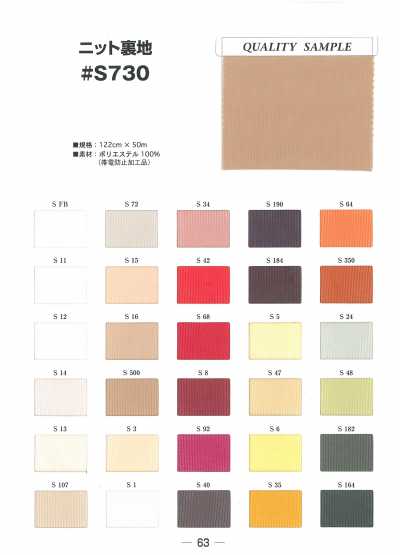
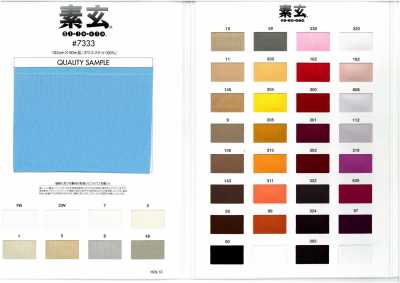
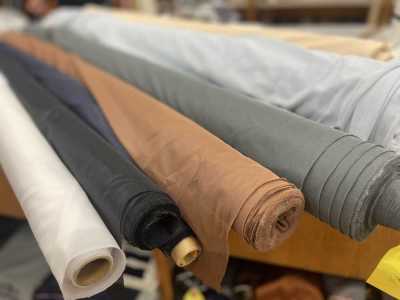
Contents6 sections
Definition and Overview
Knitted lining is a general term for linings made from knitted fabric rather than woven fabric. Because many have elasticity from the structure of the knit, they are used in stretch garments and products with a lot of movement, as they follow the movement of the outer fabric more easily.
Compared with ordinary woven linings, they are softer and easier to adjust for skin feel, but depending on the structure and finish, they may have less slipperiness. The functions required of a lining vary depending on the knit structure, fiber type, fabric weight, and processing.
Areas of Use and Role
They are used for body panels, sleeves, hoods, pocket bags, and more. They are selected for outerwear, jackets, sportswear, and cut-and-sew dresses, among other items, to soften contact with the skin and reduce sheerness of the outer fabric.
In products with stretch outer fabric, a lining with moderate stretch helps reduce pulling when putting the garment on and taking it off, or when moving the arms and back. Types with added moisture absorption and quick-drying, anti-static, or heat-retaining properties are used depending on the wearing environment and application.
- Body lining: adjusts skin feel, sheerness, and the stability of the outer fabric.
- Sleeve lining: considers how well it follows arm movement and the wearing feel.
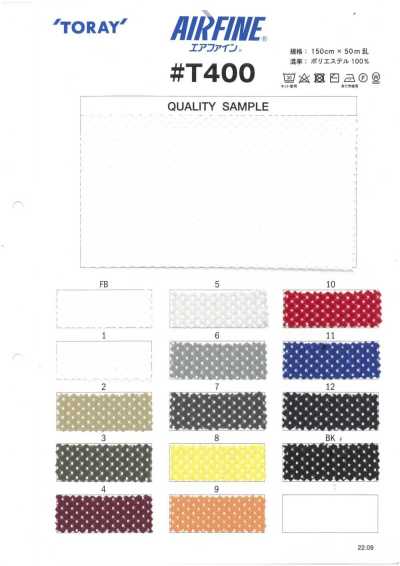
- Mesh lining: used in areas where breathability is needed and moisture buildup should be reduced.
Materials and Types
Typical structures include warp-knit tricot and raschel, and weft-knit jersey and circular interlock knitting. Warp-knit fabrics tend to hold their shape relatively well, while circular knits tend to be easier to give a soft stretch, but it is important to check the actual performance of the structure and finish.
Fibers used include polyester, nylon, rayon, cupro, and in some cases polyurethane is blended in to improve stretch. Specifications such as mesh, brushed, moisture absorption and quick-drying, and anti-static are selected according to the desired texture and function.
How to Choose and Points to Note
Compatibility with the outer fabric is checked by matching the stretch direction and amount of stretch. If only the outer fabric stretches greatly, the lining can interfere with movement; conversely, if only the lining stretches easily, it may affect seam waviness or the way the hem sits. Check stretch not only in the vertical and horizontal directions but also on the bias.
For garments that need to be easy to put on and take off, examine friction with the outer fabric and the clothing worn underneath. Some knitted linings have less slipperiness than woven linings, so fitting checks are especially necessary on the inside of sleeves and pants. For light-colored or thin outer fabrics, also check the lining color, luster, and how the knit texture shows through.
Also check dimensional change due to washing or heat, pilling, and colorfastness. If the outer fabric and lining shrink differently, puckering of the outer fabric or excess lining may appear after washing. When garment washing is performed, testing before and after sewing is important.
Sewing Points
Stretchy knitted lining can easily cause seam waviness if pulled during sewing. Set the needle, thread, feed conditions, and stitch specifications according to the material, and check for sewing slippage or puckering with the lining layered together with the outer fabric.
When finishing seam allowances, consider curling at the knit edge, fraying, and bulk. For areas where stay tape or interfacing is used, determine the specification based on the amount of movement and the pattern design for each area so that the lining's stretch is not restricted more than necessary.
Frequently Asked Questions
Are knitted lining and stretch lining the same?
No, they do not mean the same thing. Knitted lining refers to lining made from knitted fabric, while stretch lining refers to lining with elasticity. Many knitted linings stretch, but some have little stretch depending on the knit structure and finish. Also, woven fabrics can be used for stretch lining.
Should stretch outer fabrics always use knitted lining?
Not necessarily. It is judged based on the amount of stretch in the outer fabric, the garment ease, the area where the lining is attached, and the desired slipperiness and breathability. Since it is important that the lining does not interfere with the stretch of the outer fabric, check elasticity and wearing feel with the fabrics actually layered together.
What should be noted when using knitted lining with a thin outer fabric?
Check whether the knit texture, color, and luster show through the outer fabric. Even if the lining color is close to the outer fabric, it may appear darker when layered. With a sample of the outer fabric and lining layered together, check the sheerness under lighting, how seam allowances appear, and how prone it is to static electricity.