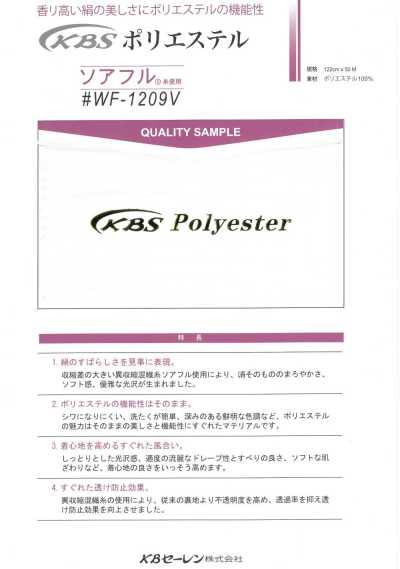
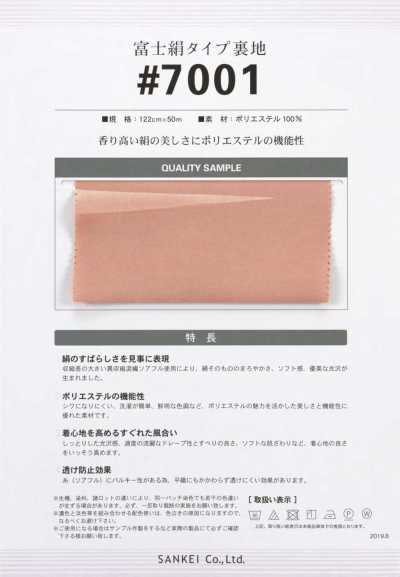
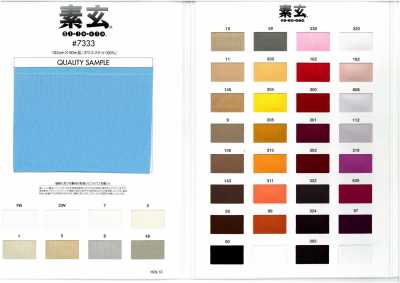
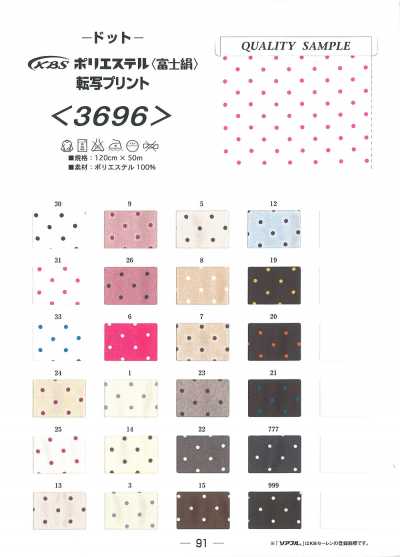
See Through Prevention Lining
See-through prevention lining is a lining used on the inside of light-colored or lightweight outer fabric to reduce the visibility of skin, underwear, and seam allowances through the outer fabric.
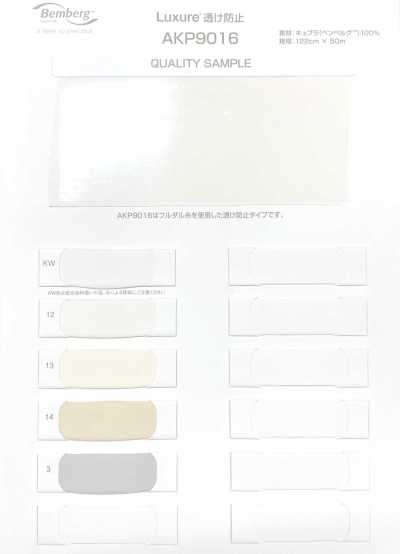
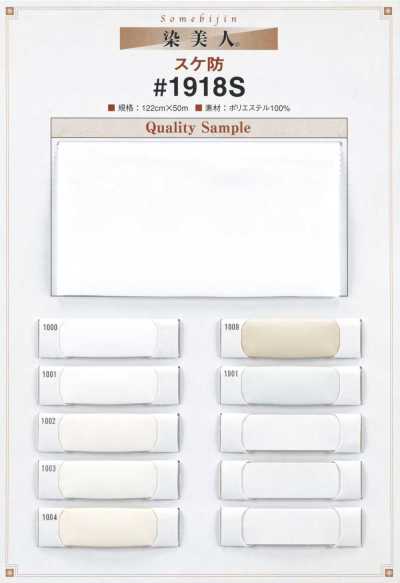
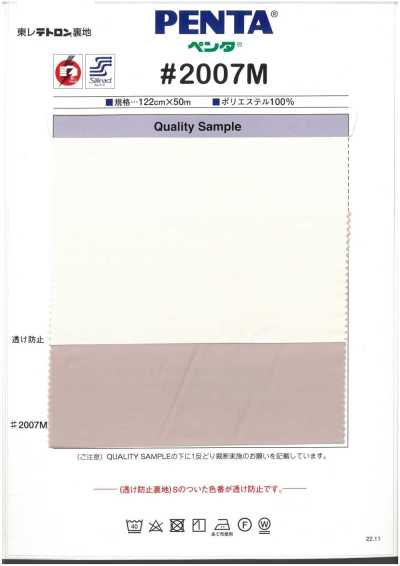
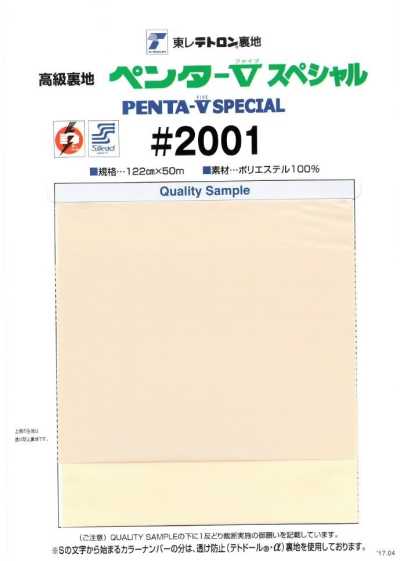
Contents6 sections
Definition and Overview
See-through prevention lining is a lining that focuses on reducing the transparency of the outer fabric and improving the appearance of the garment. It does more than simply cover the back side of the outer fabric; it also reduces the visibility of skin tone, underwear outlines, pocket bags, and seam allowances.
Resistance to sheerness varies depending on the lining’s color, density, structure, thickness, and light-blocking properties, as well as the overlap with the outer fabric. Therefore, “see-through prevention” does not mean completely eliminating transparency; it is a design approach for reducing visibility according to product conditions.
Areas of Use and Role
It is used in products such as dresses, skirts, blouses, and other items made with light-colored or lightweight outer fabrics. It may be used as a full lining for the bodice or skirt, or partially in areas where sheerness is a concern, such as the front body, back body, bust area, or hip area.
By adding a layer between the outer fabric and the skin, it helps block the line of sight while also reducing cling and the show-through of seam allowances. On the other hand, since the lining’s color and thickness affect the outer fabric’s tone, drape, and lightness, it is selected after checking the appearance.
Materials and Types
See-through prevention lining includes woven and knit fabrics made from polyester, Cupro, rayon, nylon, and other materials. There are many ways to achieve reduced sheerness, such as using tightly woven materials, fabrics that diffuse light easily, or fabrics in colors that make it easier to balance brightness against the skin even in light shades.
For stretch outer fabrics, a lining with stretch may be used, and for cut-and-sew knits or stretch garments, a knit lining may be combined. Also, if static cling is a concern, checking antistatic performance as well can improve ease of wear.
- The sheerness of the outer fabric should be checked not only with white or off-white, but also under strong lighting and backlighting.
- A color close to the skin is not always the best choice; judgment should be made based on the combination with the outer fabric’s color, pattern, and sheen.
- If the lining is much darker than the outer fabric, the lining’s outline and color may show through to the surface.
How to Choose and Points of Caution
When selecting, check the actual combination of outer fabric and lining for sheerness, color appearance, sheen, and hand feel. If the outer fabric is thin and soft, a lining that is too stiff or too heavy may spoil the fabric’s natural drape or cause lining wrinkles to show through.
Smoothness is also important. A lining with too much friction against the outer fabric or innerwear may make it difficult to put on and take off, and may cause the hem to cling. Conversely, if the combination is too slippery, it may shift during wear, so it should be checked according to the product shape and intended use.
If a non-stretch lining is used with a stretch outer fabric, the lining may pull during movement, increasing stress on the seams and reducing comfort. If necessary, consider choosing a stretch lining or adding ease or tucks to the lining pattern.
Sewing Considerations and Differences from Similar Terms
Before sewing, check the shrinkage rate, grain line, and stretch direction of both the outer fabric and the lining. With combinations that are prone to slipping during cutting or sewing, misalignment and seam puckering can occur easily, so adjust presser foot pressure, feed, needle, and thread tension through sampling. Around hems, vents, and zippers, finishing that does not show through the outer fabric is also important.
See-through prevention lining is a term that describes its application and function; it is not the name of a specific fiber or structure. Antistatic lining refers to lining with a function that suppresses static electricity, stretch lining refers to lining that emphasizes stretchability, and knit lining refers to knitted lining. There are also see-through prevention linings that combine these functions.
Frequently Asked Questions
For a white outer fabric, should I simply choose white see-through prevention lining?
White lining is not always the best choice. The way something shows through changes depending on the outer fabric’s whiteness, thickness, sheen, and the wearer’s skin tone and underwear color. Place the outer fabric and candidate lining together, check them in natural light and strong lighting, and choose a combination in which uneven color on the surface and the outline of the lining do not stand out.
What should I be careful about when attaching see-through prevention lining to stretch fabric?
If only the outer fabric stretches and the lining does not, it may pull during movement and place stress on the seams and lining. Check the stretch direction and elongation of the outer fabric, and choose a stretch lining or add ease or tucks to the pattern to secure range of motion.
Can see-through prevention lining alone also prevent static electricity and cling?
Even in a lining whose main purpose is see-through prevention, the effect on static electricity and cling varies depending on the material and processing. If wear in dry conditions or friction with the outer fabric is expected, check antistatic performance, smoothness, and compatibility with the outer fabric separately. Evaluation through sampling is important, not just functional labeling.
- Browse See Through Prevention Lining products
- Products with material "Polyester"
- Products with material "Nylon"
- Products with material "Rayon"
- Products with material "Cupro"
- Products for style "For Shirts/blouses"
- Products for style "For Skirts And Dresses"
- Products for style "For Formal Wear"
- Products for style "For Costumes/dresses"
- Browse Lining products