Magnetic Zipper
A magnetic zipper uses magnetic alignment and temporary positioning to make it easier to engage the left and right sides and open and close with fewer steps than a standard zipper.
Contents6 sections
Definition and Overview
Magnetic zipper are designed to be easily zipper by using magnetic force to align the ends of the tape when brought close together. They are used in clothing, bags, and other items where one-handed operation and easy closing without looking are required.
It's not always a component that supports the entire opening and closing of clothing solely by magnetic force; in most cases, it's based on a normal zipper structure where teeth interlock with a slider. The magnets are incorporated into the parts where the left and right sides meet, such as the starting point or around the opening mechanism.
Structure and parts
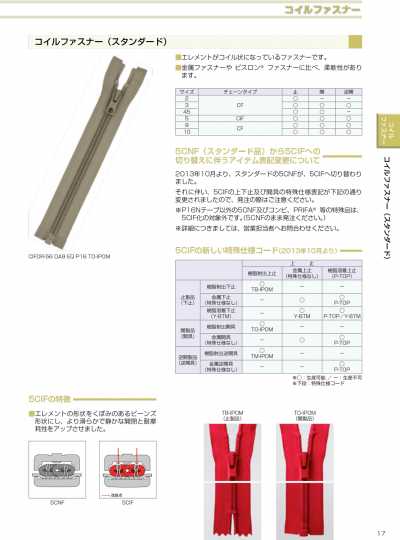
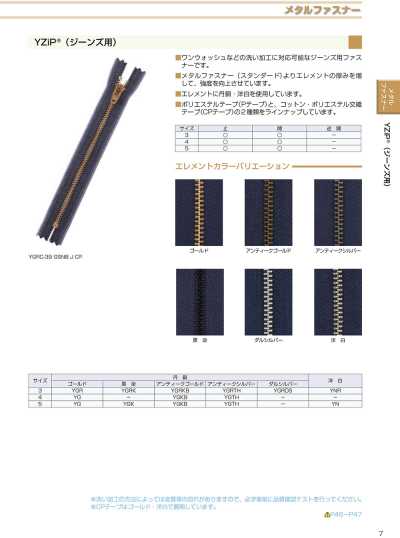
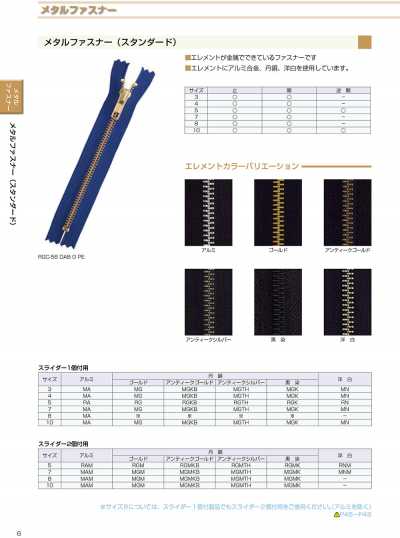
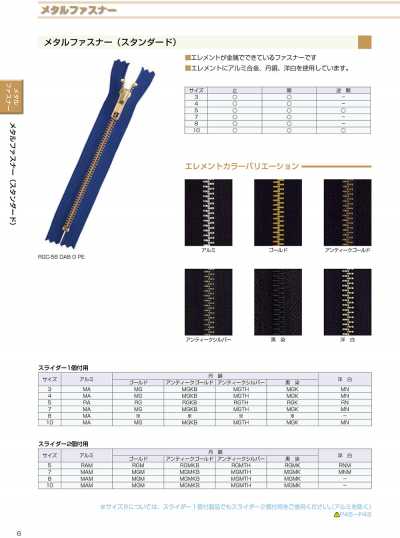
The basic components are left and right zipper tapes, teeth, slider, pull tab, and top or bottom stop. In open-type fasteners, a mechanism is added to separate and connect the left and right sides. In products with a magnetic mechanism, magnetic components are placed at this connection point and around the slider.
The teeth are the elements that interlock to close the opening, and the slider is the part that opens and closes the teeth. The magnet assists in left and right positioning, but the shape of the teeth and the opening mechanism, as well as the operability of the slider, also affect how easy it is to close and the durability of opening and closing.
- Teeth: These are parts that interlock on the left and right sides to close the opening.
- Slider: A movable part that engages or disengages the teeth of a dental prosthesis.
- Stops: These are upper and lower stops that restrict the range of movement of the slider.
- Opening mechanism: This is the connecting part that allows you to attach and detach the left and right sides using an open zipper.
Types and specifications
Magnetic zipper also come in two types: closed-type, where one side is connected, and open-type, where the left and right sides can be separated. Open-type zippers are used for front-opening clothing, while closed-type zippers are used for pockets and bag openings. Depending on the applications, two way separator and double sliders may also be used in combination.
The size of the teeth, tape width, zipper length, orientation (left or right insertion), and slider shape are checked for each product. A larger tooth size does not necessarily mean better operability, so the size is selected according to the fabric thickness, opening length, and required strength.
Main applications
In front-opening jackets, coats, and blousons, it is used to assist in joining the hem and make opening and closing easier. It is also considered in bags, pouches, and cases where aligning the opening is desired.
This material is suitable for clothing designed for wearers with limited fine motor skills, as well as uniforms that require quick donning and doffing. However, it is important to check the tensile load, repeated opening and closing, and washing conditions for each applications, and to conduct evaluations using actual products.
How to choose and points to note
During sewing, ensure that the tape ends and the area around the opening mechanism are not twisted, and that the left-right height and front-back orientation are precisely aligned. Over-sewing can cause the needle or sewing thread to interfere with the teeth or slider, leading to opening and closing malfunctions or jamming. Before mass production, check the operation feel with a sewing sample.
The length is generally measured from the top stop to the bottom stop, or from the top stop to the reference position of the opening mechanism in the case of open-type designs. However, since the measurement standards vary depending on the product specifications, when ordering, be sure to check the specification drawing and actual measurement standards with the supplier, not just the stated length.
Whether a product is suitable for washing or dry cleaning is determined by the specifications of the entire product, including the tape, teeth, slider, and magnetic parts. Since there is a possibility of the product being attracted to other metal parts during washing or coming into contact with objects affected by magnetism, the care instructions and usage environment should be considered in advance.
FAQ
What is the difference between a magnetic zipper and a magnetic button?
A magnetic button is an attachment that fastens an opening by the attraction of opposing magnets or metal parts. A magnetic zipper differs in that it uses magnetic force to assist in aligning the left and right sides and initiating the connection, while the fastener is based on the use of teeth and a zipper for opening and closing.
Can magnetic zipper be sewn in the same way as regular zipper?
Basically, the zipper tape is sewn to the seam allowance, but the position and thickness of the opening mechanism and magnetic part must be taken into consideration. To prevent the stitching from being too close to the teeth and to prevent misalignment and rippling of the tape, check the presser foot and sewing procedure according to the specifications.
Where do you measure the length of a magnetic zipper?
For typical zipper, the length is measured from the top stop to the bottom stop. Open zippers may include the opening mechanism in their measurement, but the display standards vary depending on the product. Pattern instructions and order forms should clearly specify the required finished dimensions and measurement standards.