Pocket Facing
A pocket facing is the outer fabric or a separate fabric attached to the back side of the pocket opening, used to prevent the pocket bag from showing, reinforce the pocket opening, and improve the appearance.
Contents6 sections
Definition and Overview
A pocket facing is the part of the pocket bag that is placed on the body side and lies behind the pocket opening. When the pocket is opened, the same fabric as the outer fabric, or a fabric with a similar color or pattern, is generally used so that only the pocket bag is not visible.
Where It Is Used and Its Role
It is mainly used for side pockets on slacks and pants, as well as pockets on jackets. By covering the area visible from the pocket opening with the outer fabric, it keeps the appearance consistent and prevents the color or pattern of the pocket bag from affecting the outer side.
The pocket opening is an area subject to friction from inserting and removing the hand and from the contents. By adding a pocket facing, the outer fabric is layered at the opening, making it easier to improve the stability and durability of the opening compared with a structure made only from the pocket bag.
Materials and Types
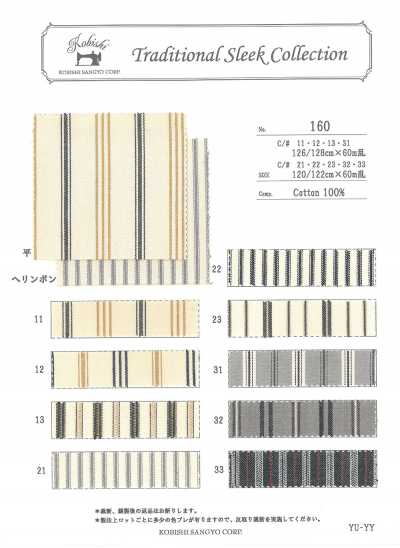
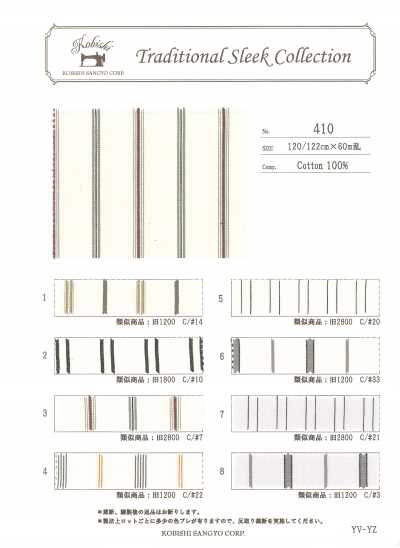
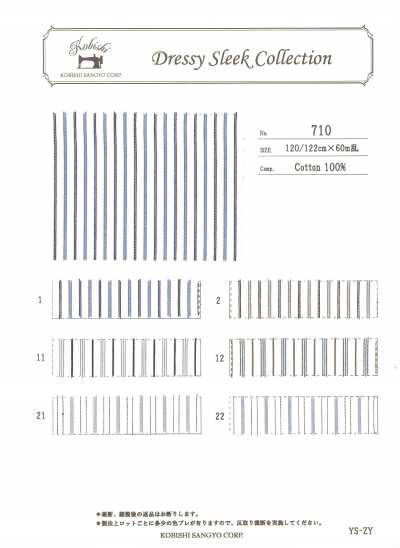
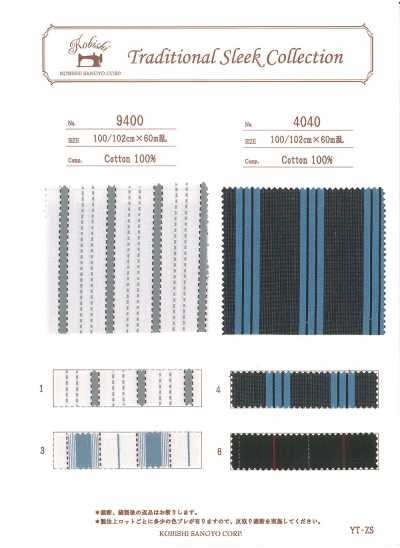
Pocket facings are often made from the same fabric as the product's outer fabric. In particular, with patterned, dark-colored, or heavy outer fabrics, matching fabric is chosen to improve the appearance when the pocket is opened. For the pocket bag, a separate fabric such as pocket lining may be combined.
A specification that uses the outer fabric only for the necessary area and makes the rest of the pocket bag from a different fabric can also help reduce the amount and thickness of outer fabric used. The shape and size of the pocket facing are adjusted according to the pocket shape, the width of the opening, and the thickness of the outer fabric.
Differences from Similar Terms
Pocket lining refers to practical lining fabric often used for pocket bags. Pocket facing, on the other hand, is not a type of fabric but a name for the position and role within the pocket. A typical construction uses outer fabric for the pocket facing and pocket lining for the pocket bag.
Facing fabric may refer to the fabric that forms the pocket opening, and in some cases the term includes welting or transition sections. Pocket facing basically refers to the fabric on the back side of the pocket opening that continues into the pocket bag, so in a specification it is best to state the position and stitching of each part clearly to avoid misunderstandings.
How to Choose It and Sewing Notes
When using the same fabric as the outer fabric, match the grainline, pattern direction, and nap direction with the body. For patterned fabrics, check that the pattern does not break unnaturally at the pocket opening, and allow for the pocket facing in cutting calculations.
With heavy or stiff outer fabrics, the pocket opening can become thick where the pocket facing and seam allowance overlap. Decide the seam allowance width, edge finishing, and any needed step reduction according to the specification to prevent impressions or puckering on the outer side.
For products that are washed or garment-washed, it is also necessary to check differences in shrinkage and color transfer between the outer fabric and the pocket bag. For materials that stretch easily at the pocket opening, decide at the prototyping stage whether to use stay tape or reinforcing stitches as well.
Frequently Asked Questions
Must the pocket facing always be the same fabric as the outer fabric?
It is not always limited to matching fabric, but because it is the part visible when the pocket is opened, the outer fabric or a separate fabric that blends with it is often used. If the outer fabric is thick or cost needs to be reduced, there are also specifications that use matching fabric only for the visible area and switch to a different fabric for the pocket bag.
What is the difference between a pocket facing and pocket lining?
Pocket facing is the name of the part that indicates the position and function in the pocket bag, while pocket lining is the name of the fabric used for the pocket bag. Outer fabric may be used for the pocket facing, and pocket lining may be used for the rest of the pocket bag. Therefore, the two are not the same thing.
What should be noted when sewing a pocket facing?
It is basic to match the grainline, pattern direction, and nap of the outer fabric. Also, if seam allowances are concentrated at the opening, thickness and impressions are likely to appear, so the seam allowance treatment should be decided according to the thickness of the outer fabric. Check the left-right balance of the pocket opening and any twisting of the pocket bag during inspection as well.