Welt Pocket
A welt pocket is a neat, tailored pocket mainly used on jackets and pants, made by cutting into the garment body or similar area, shaping the opening with a welt, and attaching a pocket bag.
Contents7 sections
Definition and Overview
A welt pocket is a type of slash pocket made by creating an opening in the shell fabric for the pocket mouth and showing a narrow welt at the opening. It is called this because the opening is straight and box-shaped in appearance.
Where It Is Used and Its Role
It is used for jacket hip pockets, chest pockets, and back pockets on pants. Because the seam allowance and pocket bag at the pocket opening can be tucked to the inside, the surface finishes flat and creates a neat, formal impression.
The pocket bag holds items, and the welt shapes the outline of the pocket opening while also reinforcing the slashed area. At both ends of the pocket opening, bartacks may be applied to prevent fraying or tearing caused by stress.
Materials and Types
A slippery, low-bulk lining called sreki is often used for the pocket bag. The welt and facing pieces that show from the outside are often made from the shell fabric, helping maintain a unified appearance while supporting the strength and shape of the pocket opening.
If the narrow fabric visible at the opening appears only on one side, it is generally also called a single-welt pocket. Double-welt pockets with welts on both sides, and flap pockets with an added flap, are different types in structure and appearance.
- Pocket bag: the inner fabric that forms the storage section.
- Welt: the narrow fabric visible at the pocket opening.
- Facing: the shell fabric or separate fabric attached to the part of the pocket bag that faces the shell fabric when worn.
Main Uses
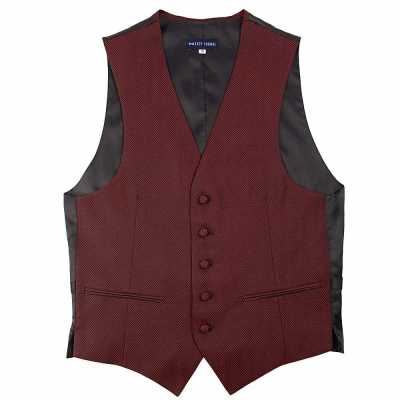
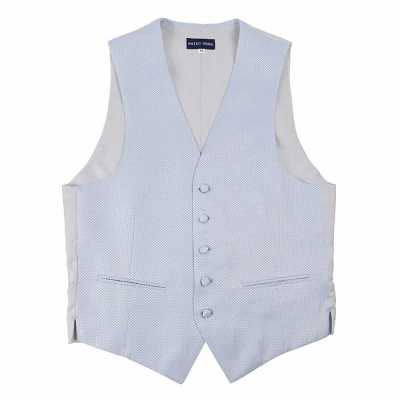
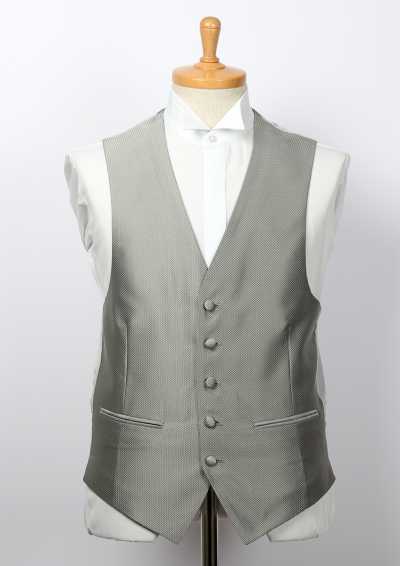
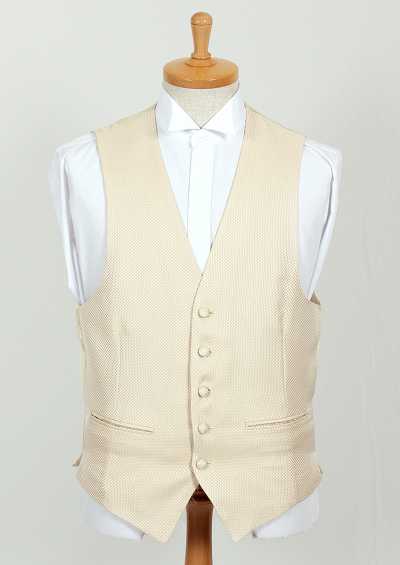
Welt pockets are often used on tailored jackets, slacks, vests, and uniforms where a clean appearance is desired. Even in casual clothing, they are suitable for designs that want less bulk than patch pockets.
When used on the chest or around the waist, the appearance changes greatly depending on the width, position, and angle of the pocket opening. In the specification sheet, it is important to clearly indicate the finished width of the welt, the depth of the pocket bag, and whether bartacks are included.
Selection and Sewing Considerations
If the shell fabric is thin, stretchy, or prone to fraying, fusible interlining or similar material is used on the inside of the pocket opening to prevent stretching and reinforce it. If the firmness of the interlining or the bonding conditions are not suitable, it can cause the opening to lift, show fading, or feel too stiff, so trial samples should be checked in advance.
During sewing, keep the welt width uniform and manage the end point of the slash accurately. If the slash is too short, the corners will not turn properly; if it is too long, the stitches may be cut. The left and right heights, opening width, and square corners should also be checked during inspection.
The pocket bag is subject to friction and pulling from the contents. Depending on the application, check strength, slipperiness, and thickness, and choose with consideration for color difference from the shell fabric, as well as show-through or color transfer on light-colored shell fabrics.
Differences from Similar Terms
The term welt pocket is sometimes used as a general term for slash pockets edged with a welt. In many cases, it refers to a specification with a single welt on one side of the pocket opening, but usage can differ by workplace.
A patch pocket is a pocket made by sewing a bag-shaped piece of fabric onto the surface of the body. In contrast, a welt pocket has the pocket bag inside, so there is less surface bulk, and the sewing process and reinforcement methods required are also different.
Frequently Asked Questions
What is the difference between a welt pocket and a double-welt pocket?
A welt pocket generally refers to a single-welt specification with a narrow welt visible on one side of the pocket opening. A double-welt pocket has two welts at the top and bottom or left and right of the opening. However, because the usage of the term welt pocket varies by workplace, the specification sheet should be confirmed with drawings or section views.
Why is sreki used for the pocket bag in a welt pocket?
Sreki is generally a fabric that has the strength needed for a pocket bag and is relatively thin and slippery. It makes it easier to insert and remove items and has the advantage of not adding much thickness to the shell fabric. If the shell fabric is thin, the transparency caused by the color or thickness of the pocket bag should also be checked in advance.
What sewing defects are common in welt pockets?
Common defects include uneven welt width, waviness at the opening, insufficient turning at the corners, and misalignment between the left and right sides. Interfacing the pocket opening, accurate slashing, and shaping with pressing are important. Before mass production, confirm the finished result with a trial sample combining the shell fabric, interlining, and pocket bag.