Single-welt / Double-welt
What are single-welt and double-welt pockets? They are welt-pocket styles in which the welt is placed on one side only, or on both the upper and lower sides of the pocket opening.
Contents6 sections
Definition and Overview
A welt is the narrow finished fabric edge at a pocket opening. A single-welt pocket has the welt on one side of the opening, while a double-welt pocket has symmetrical welts on the upper and lower sides of the opening. Both are typical slashed-pocket constructions made by cutting into the garment body and attaching a pocket bag on the inside.
Jetted pocket is an English-derived term mainly used to refer to double-welt pockets. However, depending on the workplace or reference material, it may also refer more generally to welt pockets, so specifications should clearly state whether the pocket is single-welt or double-welt.
Where It Is Used and Its Function
Double-welt pockets are used for the back pockets of slacks, the waist pockets of vests, and the inner pockets of jackets. They make the opening look neat, creating a refined, polished impression while also providing a place to store small items.
Single-welt pockets are used on the sides or back of pants and on the inside of jackets. By placing the welt on one side only, the structure and appearance can be kept simple, and in flap-style constructions, the welt is often placed on the side where the flap is attached.
- Prevents stretching and fraying at the pocket opening
- Covers the seam allowance at the slit to improve the appearance
- Forms the storage section with the pocket bag
- Uses a facing piece to keep the main fabric from showing from inside the pocket opening
Materials and Types
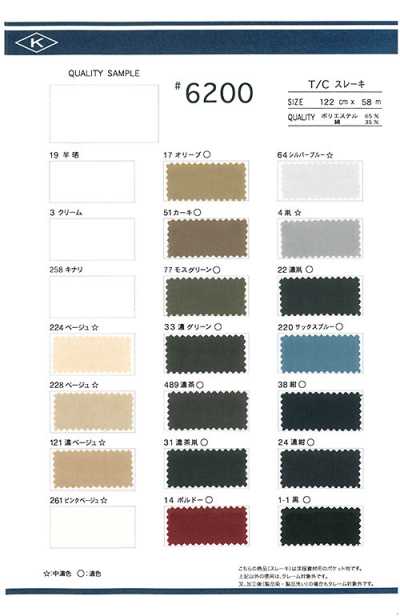
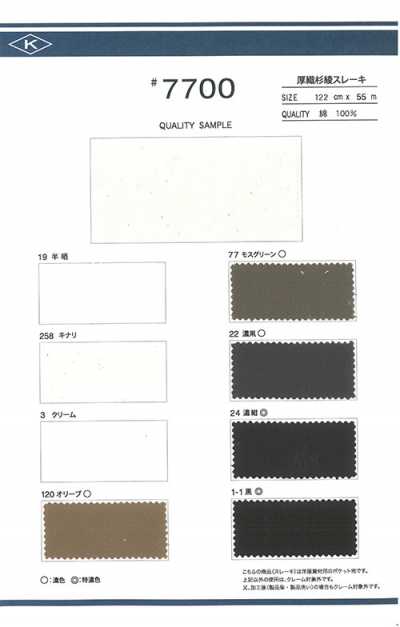
Welts are generally made from the same fabric as the garment body so that the color and texture match. Pocket bags are made from pocketing fabric such as Sulekki, and their resistance to friction, thickness, and smoothness are selected to suit the outer fabric, the stored item, and the end use of the product.
With heavy fabrics, brushed materials, or highly stretchable materials, the folded welt section can become thick or the pocket opening can stretch more easily. For that reason, it is important to confirm the welt cutting method, reinforcement with interfacing, and combination with the pocket bag in advance.
- Single-welt: a construction with the welt on only one side of the opening
- Double-welt: a construction with welts on the upper and lower sides of the opening
- Flapped welt: a construction with a rain-flap-style flap layered over it
- Welt buttonhole: a construction in which the area around the buttonhole is finished with a narrow strip of fabric; its use differs from that of a welt pocket
How to Choose and Sewing Precautions
The finished welt width, pocket opening length, placement, and left-right balance greatly affect the appearance. In particular, with double-welt pockets, it is important that the upper and lower widths match and that the corners are neatly squared. At the sample stage, confirm the finished result by combining the outer fabric, interfacing, and pocket bag.
In sewing, the accuracy of the position where the pocket facing is attached and the slit position is crucial. If the slit is too close to the stitching line, the seam allowance may tear easily; if it is too far away, the corners become bulky. After cutting the slit, turn the corners out fully and press the welt width into shape before fixing it in place.
Because the pocket opening is used repeatedly, reinforcement with interfacing, stay tape, or reinforcing fabric should be considered for thin fabrics or outer fabrics that stretch easily. For stripes and checks, the direction of the welt pattern and pattern matching on the left and right should also be established as part of the specifications before mass production.
Differences from Similar Terms
A welt is the narrow fabric edge itself used to finish the pocket opening, while single-welt and double-welt refer to pocket constructions based on how that welt is placed. A facing piece is a component that overlaps part of the pocket bag with the outer fabric so that the pocket bag is not visible from deep inside the pocket opening; its role differs from that of the welt.
A box pocket may sometimes be used as a broad term that includes welt pockets, but the scope of the term can vary. A flap pocket refers to a pocket construction with a flap attached to the opening, and it may be combined with either a single-welt or double-welt pocket.
Frequently Asked Questions
How are single-welt and double-welt pockets used differently?
Double-welt pockets are often chosen when a clean, polished opening is desired, while single-welt pockets are used when a simpler structure is preferred or when they are combined with a flap. In the end, the choice is made according to the product design, fabric thickness, and sewing specification.
Why is Sulekki used for welt pockets?
Because the pocket bag is subject to friction from stored items and hands, it requires a fabric with durability and moderate slipperiness separate from the outer fabric. Sulekki is commonly used as pocketing fabric, but the color, thickness, and weave should be selected according to the thickness and use of the outer fabric.
What sewing defects are common in double-welt pockets?
Common defects include uneven upper and lower welt widths, rounding or puckering at the pocket corners, mismatched left and right heights, and tearing at the slit. Carefully control the stitching position and slit, shape the pocket during the pressing stage after turning, and share the appearance standards with a sample before mass production.