Raglan Shoulder Pad
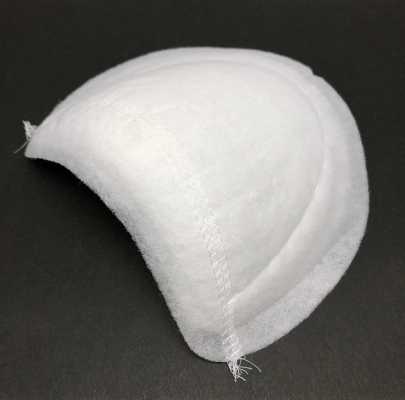
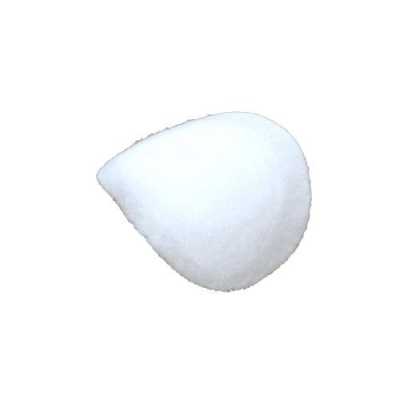
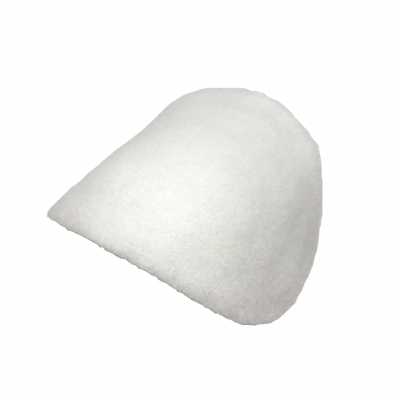
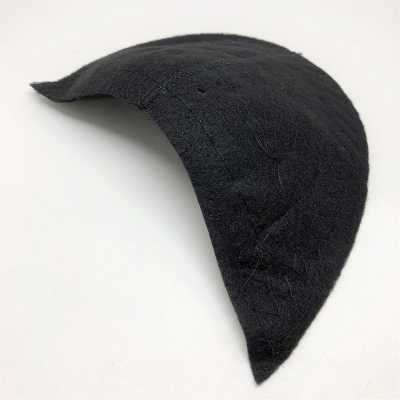
A raglan shoulder pad is a shoulder pad inserted along the line from the shoulder to the neckline of a raglan sleeve, shaping the sleeve attachment area where there is no shoulder seam and giving it moderate structure and a rounded form.
Contents7 sections
Definition and Overview
A raglan shoulder pad is a shoulder pad designed for raglan sleeves, which change direction diagonally from around the neckline toward the side. Unlike ordinary shoulder pads that support only the shoulder point, it has a shape that blends easily with the line from the neck to the sleeve cap.
Because raglan sleeves have no shoulder seam like set-in sleeves, depending on the material and construction they tend to create a drooping look from the shoulder to the sleeve. Raglan shoulder pads support this area from the inside and are used to maintain the intended silhouette.
Placement and Role
They are mainly attached inside the raglan seam line, in the area from the shoulder toward the neck. They are placed between the outer fabric and lining, or at a position suited to the facing or seam allowance specification, so the pad edges do not show through from the outside.
Their role is to reduce looseness around the shoulder and make the raglan line look smooth. They also add moderate shape retention when the shoulder area easily loses its form because of thin or soft outer fabric.
Materials and Types
Core materials include polyester batting, nonwoven fabric, and urethane foam. Some are wrapped in nonwoven fabric or knitted fabric, and the firmness, resilience, and ease of handling during sewing vary depending on the core material, thickness, and degree of compression.
Thin types that blend easily with the shoulder are suitable for a natural raglan silhouette. If greater shape retention is desired, choose a firmer core or a thicker type. However, if it is too thick, the neckline or sleeve attachment may stand away from the body.
- Thin type: makes use of the shoulder slope for a natural appearance.
- Shaped type: has stable left-right shape and more easily creates a three-dimensional look from the shoulder to the sleeve.
- Batting-filled type: soft and less likely to show through the outer fabric.
Main Applications
Used in coats, jackets, blousons, dresses, uniforms, and other garments that use raglan sleeves. They are especially suitable for garments that should give a neat impression around the shoulders, or garments made from thick or soft outer fabric where the sleeve attachment line needs to be shaped.
Even in casual raglan items, they are used to adjust the shoulder roundness and sleeve rise for design purposes. On the other hand, in designs that prioritize drape or a relaxed shoulder look, they may be omitted or a thin type may be chosen.
How to Choose and Sewing Considerations
Choose according to the outer fabric thickness, stretch, garment shoulder width, raglan line angle, and the shoulder appearance desired. If the pad size does not match the raglan line or neckline shape, it may cause puckering in the outer fabric, floating at the neck, or a step on the sleeve side.
When attaching, it is important to align the left and right positions and front-to-back orientation, and not to pull the outer fabric more than necessary. After temporary fixing, check the garment while worn or on a dress form, confirm the fit of the raglan line, left-right shoulder balance, and whether the pad edge shows, then make the final stitching.
For products intended for washing or dry cleaning, check not only the pad's own wash resistance but also any shrinkage difference or deformation with the outer fabric and lining in advance. If the design is removable, attention is also needed to the burden placed on the outer fabric by the attachment position.
Differences from Similar Terms
Shoulder pad is the general term for a garment accessory used around the shoulders. Raglan shoulder pad refers specifically to the shape used for raglan sleeves. A set in pad is used for set-in sleeves, which have shoulder seams between the body and sleeve, so its placement and shape differ from a raglan shoulder pad.
A covered shoulder pad refers to a shoulder pad whose core is wrapped in outer fabric or similar material, and does not limit the application or sleeve type. A concave shoulder pad is a shoulder pad shaped to add firmness at the shoulder point, and its silhouette differs from a raglan shoulder pad, which is mainly intended to blend into the raglan line.
Frequently Asked Questions
Are raglan shoulder pads always necessary for raglan sleeves?
Not necessarily. They may not be used when the outer fabric has enough firmness or when the design intentionally drops the shoulder naturally. They are used when you want to stabilize the shape from shoulder to sleeve or reduce looseness at the sleeve attachment line, with the thickness and firmness adjusted as needed.
Can a raglan shoulder pad and a set in pad be used interchangeably?
They may be usable if the shape fits, but in principle they are not intended to be interchangeable. Raglan sleeves and set-in sleeves differ in shoulder seam position, sleeve structure, and the points where the pad is supported. They are selected after checking the neckline float, the step on the sleeve side, and the shoulder appearance in a sample.