Urethane Shoulder Pad
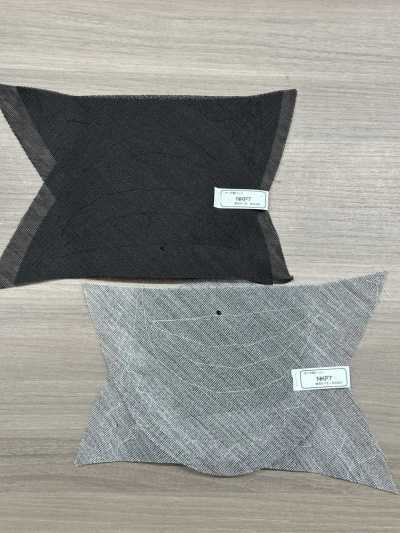
A urethane shoulder pad is a shoulder pad made of foamed urethane, used mainly from the shoulder point to the armhole area to shape the shoulder and support the garment silhouette and stability when worn.
Contents7 sections
Definition and Overview
A urethane shoulder pad is a shoulder accessory made by molding or cutting foamed urethane. It is inserted between the outer fabric and lining, or around the shoulder seam area, to compensate for shoulder droop and help maintain the designed shoulder slope, width, and three-dimensional shape.
Placement and Function
It is generally placed from the shoulder seam of the body to the upper armhole area and used as a pair, left and right. In jackets, it shapes the shoulder contour and helps the sleeve attachment area sit properly. In lightweight garments, it is also used to soften seam allowances and seam impressions around the shoulder area.
A shoulder pad is not simply a material for emphasizing shoulder width. It adjusts the silhouette according to the pattern and sewing specifications, such as making the shoulder tip look gentler, bringing the shoulder seam closer to horizontal, and supporting the shape of the sleeve cap.
Materials and Types
The core material is mainly foamed urethane, and some types have nonwoven fabric or knit fabric laminated to the surface. The surface material is used to control slippage during sewing and how much texture shows through on the outer fabric. Depending on the density and firmness of the urethane, the lightness, recovery, and shoulder projection vary.
- Thin type that blends easily with the shoulder slope
- Type with added thickness at the shoulder tip to define the contour
- Type shaped to follow the armhole for set-in sleeves
- Type shaped to match the seam line of raglan sleeves
- Type wrapped in fabric to reduce show-through on the outer fabric
Main Applications
It is used in tailored jackets, suits, coats, uniforms, formalwear, and other garments that require structure and a refined shoulder line. It is also used in blouses, dresses, stage costumes, and similar items to shape the shoulder design.
A shoulder pad is a material selected together with the shoulder seam and sleeve design. Even with the same thickness, differences in length to the shoulder tip, front-to-back thickness distribution, and curve shape will change the look and mobility of the finished garment.
How to Choose, Handle, and Sew
When selecting one, check not only thickness but also shoulder width, shoulder slope, sleeve type, outer fabric thickness and stiffness, and whether there is lining. If it is too firm, the shoulder tip may protrude; if it is too soft, it may not hold the intended shape, so judgment should be based on prototypes combined with the actual fabric.
In sewing, make sure not to confuse the left and right sides or the front and back of the pad, and lightly secure it at the specified position. If the stitching is too tight, it may cause puckering or unevenness in the outer fabric, so care is needed. After the sleeve is attached, check the shoulder tip shape, the connection with the sleeve cap, and any step at the pad edge from the outer-fabric side.
Foamed urethane may be affected by heat and aging over time. Whether it can be pressed with an iron, dry-cleaned, or washed should be checked as a specification of the entire product, including the outer fabric, fusible interlining, and lining, not just the pad itself.
Differences from Similar Terms
Shoulder pad is a general term for all shoulder accessories inserted around the shoulders, while a urethane shoulder pad is one that uses foamed urethane as the core material. It differs from shoulder materials that use haircloth interlining in material, how thickness is created, and how it is handled during tailoring.
Set in pad refers to a shoulder pad shaped for set-in sleeves, and raglan shoulder pad refers to a shoulder pad shaped for raglan sleeves. A covered shoulder pad often refers to a pad wrapped in surface material, and the core material is not necessarily urethane.
Frequently Asked Questions
Are urethane shoulder pads and shoulder pads the same?
Shoulder pad is a general term for accessories inserted at the shoulder. A urethane shoulder pad refers specifically to one that uses foamed urethane as the main core material. Since shoulder pads can also use materials such as haircloth interlining, choose according to the material and shape.
What thickness should I choose for a urethane shoulder pad?
Choose based on the outer fabric thickness, shoulder slope, sleeve shape, and the silhouette you want to achieve. For lightweight fabrics, a thin and soft type that is less likely to show a step is selected; for structured jackets, a type that easily supports the shape is selected. It is important not to decide based on thickness alone, but to check with the actual fabric.
Can a urethane shoulder pad be finished with an iron?
Applying strong direct pressure at high heat may cause flattening, deformation, or marks showing through to the outer fabric. For finishing, use a pressing cloth and check with moderate temperature, steam, and pressure. Whether this is possible depends on the specifications of the pad and the product.
- Search products for "Urethane pad"
- Products with material "Polyurethane"
- Products for style "For Outerwear/blousons/coats"
- Products for style "For Jackets/Suits"
- Products for style "For Formal Wear"
- Products for style "For Uniforms/Workwear"
- Products for style "For Costumes/dresses"
- Browse Shoulder Pads products