Nonwoven Interlining
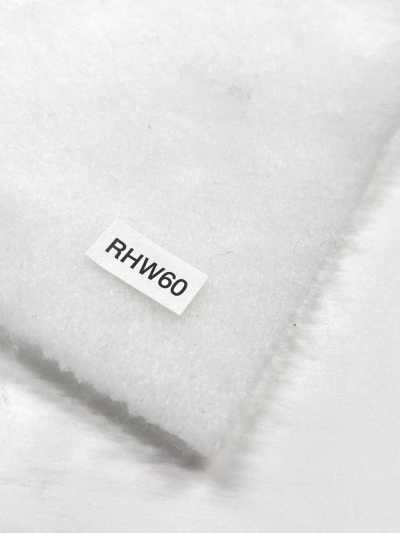
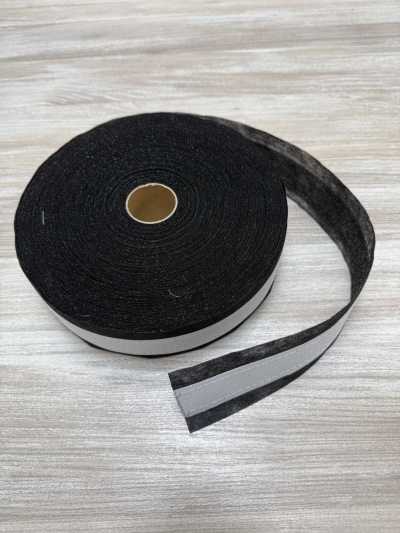
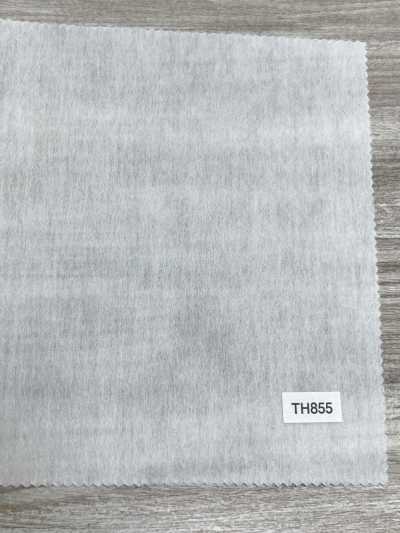
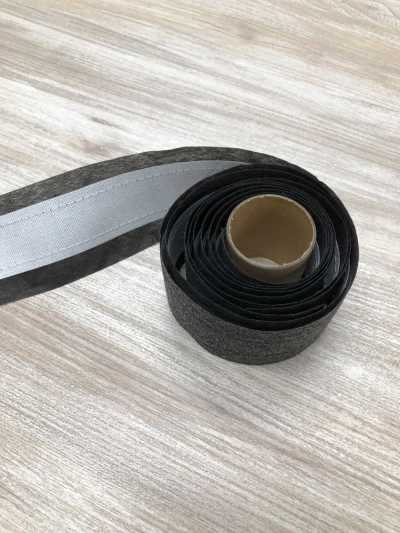
Nonwoven interlining is an interlining made by bonding fibers into a sheet without weaving or knitting, and it is used to shape garments and add localized strength and shape retention.
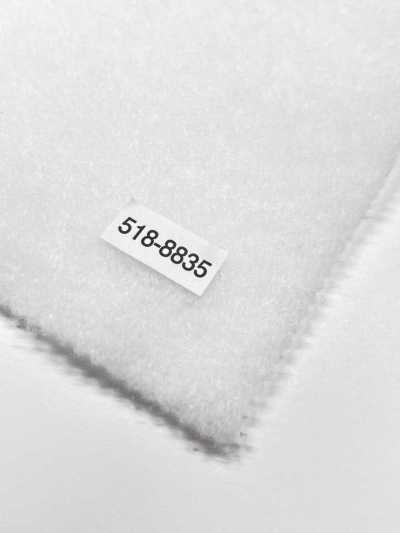
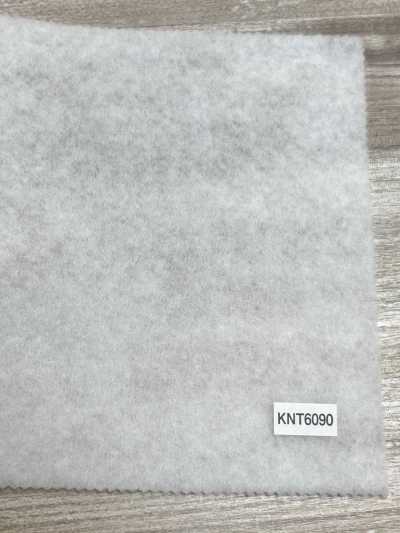
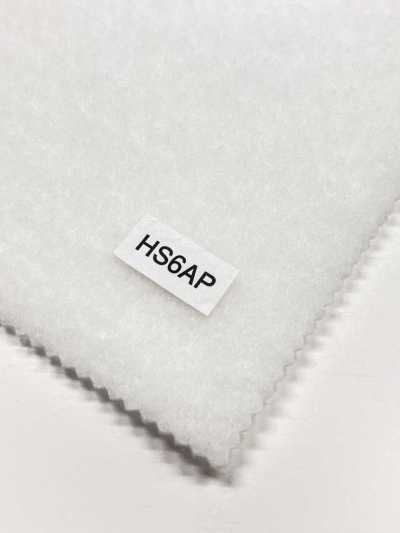
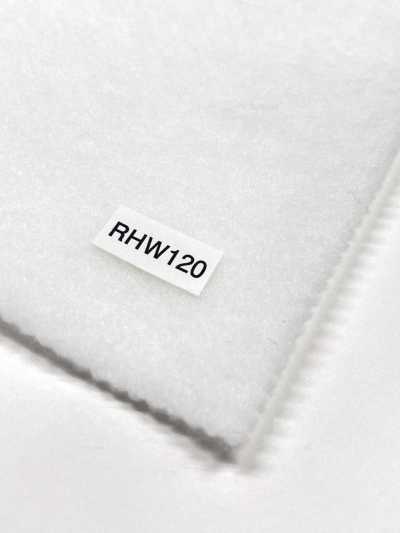
Contents6 sections
Definition and Overview
Nonwoven interlining is an interlining made by entangling or bonding short fibers and other fibers. Because it does not have a warp-and-weft structure like woven interlining, it has relatively little difference in properties by cutting direction, and it is easy to handle as an interlining for partial use.
There are adhesive types with heat-activated adhesive resin and sew-in types used by stitching. In garments, it is often used as fusible interlining, but being nonwoven and being fusible interlining do not mean the same thing.
Areas of Use and Role
It is used in areas where shape retention is needed, such as collars, cuffs, front openings, facings, pocket openings, and waistband sections. It adds firmness, body, and stability during sewing, which are often lacking in the shell fabric alone, and helps suppress stretching and loss of shape during wear.
Thin nonwoven interlining is selected for facings in blouses and dresses, and for other areas where reinforcement is needed without greatly changing the texture of the shell fabric. Firmer types are used for collars and front edges, but depending on the combination with the shell fabric, the stiffness may stand out.
- Collars and collar stands: adjusts the contour and stand of the collar.
- Front openings and facings: reinforces areas around buttons and buttonholes.
- Cuffs and waistbands: helps maintain creases and shape.
- Pocket openings: suppresses stretching and sagging at the opening.
Materials and Types
Nonwoven interlining includes products made mainly from polyester as well as those containing rayon. Depending on the fiber type, how the sheet is made, and its thickness and density, softness, resilience, durability, and how well it blends with the shell fabric will vary.
In adhesive types, heat-melt adhesive resin is applied to one side or both sides of the interlining. The resin may be applied in dots or other patterns, which affects the hand after bonding, conformability, and the risk of resin bleed-through to the shell fabric.
How to Choose and Compatibility with the Shell Fabric
The basic rule is not to make the interlining harder, thicker, or heavier than necessary compared with the shell fabric. Check the shell fabric’s thickness, stretch, drape, sheerness, and the shape required for the product, and choose by comparing the appearance and hand on a sample with the interlining applied.
If a hard nonwoven interlining is used with a thin or soft shell fabric, the outline of the interlining may show through or only certain areas may appear to float. With stretch fabrics, consider an interlining that can follow the fabric’s stretch, and design the directions and range where stretch must be controlled.
Even with the same product number, the bonding result may vary depending on the shell fabric’s color, processing, lot, and storage condition. Before full production, conduct bonding and washing tests using the actual shell fabric and interlining, and check the appearance and bonding condition.
Bonding and Sewing Precautions
For bonding, use the temperature, time, and pressure specified for each interlining as the basis, and adjust the press conditions accordingly. If the conditions are insufficient, peeling becomes more likely, while excessive heat or pressure may cause gloss, shrinkage, changes in hand, and adhesive resin bleed-through on the shell fabric.
After bonding, handling the material only after it has cooled sufficiently helps stabilize the bond. When cutting, clearly specify the adhesive side, grain direction, and required stretch direction in the specification sheet, and during sewing, check the step at the boundary between bonded and unbonded areas, shifting of seams, and visibility of needle holes.
Differences in shrinkage between the shell fabric and interlining, or poor bonding, can cause bubbling or peeling after washing. In press tests, it is important to check the appearance not only immediately after pressing, but also after the expected care process for the product, such as washing or dry cleaning.
Frequently Asked Questions
What is the difference between nonwoven interlining and woven interlining?
Nonwoven interlining is interlining made by bonding fibers into a sheet, while woven interlining is made by weaving warp and weft yarns. Nonwoven interlining has relatively little directionality and is easier to handle, while woven interlining is sometimes chosen for its hand that blends with the shell fabric and for its directional properties.
Is nonwoven interlining always used as fusible interlining?
Not necessarily. Interlinings based on nonwoven material include adhesive types with adhesive resin and sew-in types used by stitching. Depending on the application and specifications, choose by checking whether bonding is needed, as well as stiffness, thickness, and wash durability.
Why do wrinkles or lifting appear on the shell fabric after applying nonwoven interlining?
The main causes are differences in shrinkage between the shell fabric and interlining, an unsuitable match in interlining stiffness or thickness, and too little or too much pressing condition. Using samples that combine the shell fabric and interlining, check the appearance not only immediately after pressing but also after cooling and after washing, and adjust the interlining or bonding conditions.
- Search products for "Nonwoven interlining"
- Products with material "Polyester"
- Products for style "For Shirts/blouses"
- Products for style "For Skirts And Dresses"
- Products for style "For Pants"
- Products for style "For Jackets/Suits"
- Products for style "For Outerwear/blousons/coats"
- Products for style "For Formal Wear"
- Browse Interfacing products