Shoulder Pads
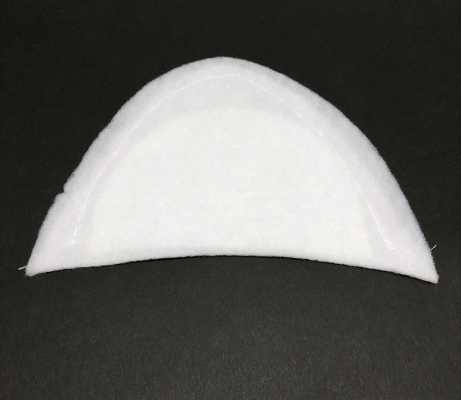
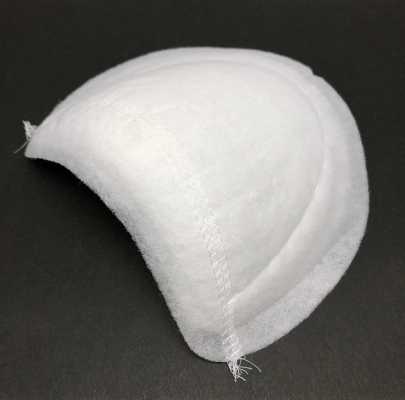
Shoulder pads are a supplementary material inserted inside clothing from the shoulder point to around the sleeve attachment area to shape the shoulder line and improve the silhouette and stability when worn.
Contents7 sections
Definition and Overview
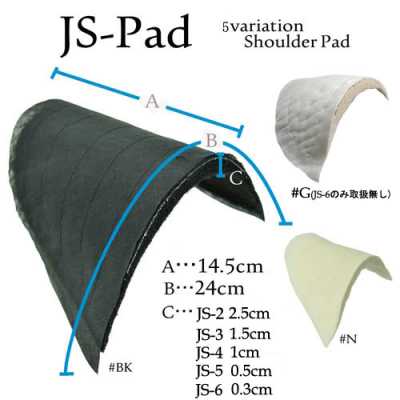
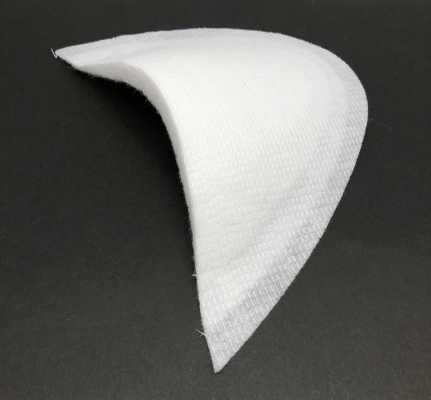
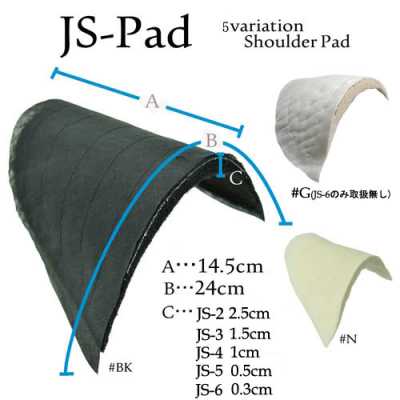
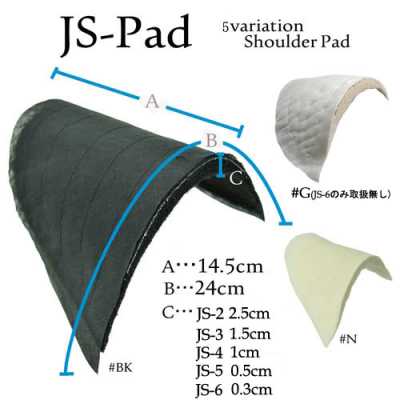
Shoulder pads are preformed or sheet-like supplementary materials placed mainly on the inside of the shoulder line. They compensate for drooping or unevenness at the shoulder point, adjust shoulder width, slope, and sleeve appearance, and give the garment the intended outline. They are also used when it is difficult to create shape using the outer fabric alone.
Depending on thickness, firmness, and shape, they can handle everything from tailoring that makes the shoulder look natural to a structured expression that clearly defines the shoulder point. Shoulder pads themselves are basically not visible from the outside, but depending on the design they become an important element for expressing shoulder volume.
Placement and Role
In general, they are attached so that they straddle the shoulder seam of the front and back panels, extending from the shoulder point to the upper part of the armhole. In set-in sleeves, they support the sleeve cap shape, while in raglan sleeves, a shape matched to the line running from the neckline side to the sleeve side is selected.
Their main roles are to visually even out shoulder differences and sloping shoulders, reduce drooping of the shoulder line, and supplement the three-dimensional look of the sleeve attachment area. In jackets and similar garments, they work together with the body interfacing and sleeve construction to create the overall balance.
- Refine the contour of the shoulder point
- Correct the appearance of the sleeve cap and shoulder line
- Support the garment silhouette and stability when worn
Materials and Types
Materials include polyester batting, nonwoven fabric, expanded polyurethane, and felt-like materials. Some are wrapped in nonwoven fabric or knitted fabric, and the material composition varies by product. Selection is based on resilience, lightness, firmness, and ease of sewing.
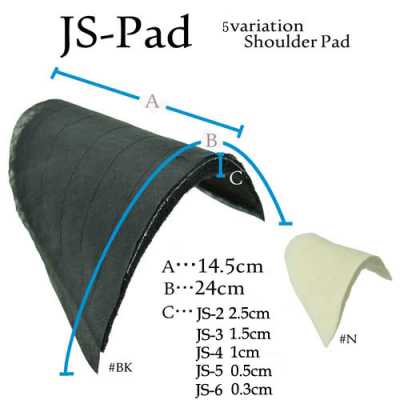
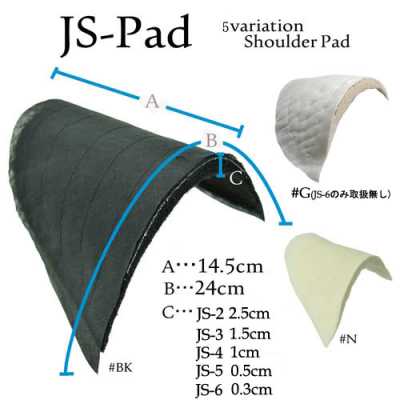
Shapes include those for set-in use, raglan use, rounded wraparound types for the shoulder point, and shapes that emphasize the shoulder line. There are also thickness variations from thin to thick, and in addition to types used as left-right pairs, some are used after being shaped to suit the application.
- Set-in pad: A shape used for set-in sleeve shoulder lines.
- Raglan pad: A shape that follows the raglan line.
- Wraparound pad: A shape that creates a gentle rounded form by wrapping the shoulder point.
Main Applications
They are widely used in tailored jackets, suits, coats, uniforms, stage costumes, and more. In addition to garments that require a neat shoulder line, they may also be used in thin blouses and cut-and-sew items for the modest purpose of shaping the shoulders.
When deciding on applications, the basis should not be only the item name, but also the thickness of the outer fabric, whether there is lining, the sleeve type, and the desired shoulder impression. With thick outer fabrics, the pad shape blends in more easily, while with thin fabrics, special attention is paid to thinness and edge finishing so that steps or contours do not show through the surface.
How to Choose, Handle, and Sewing Precautions
When selecting, confirm that the shape matches the shoulder width, shoulder slope, and sleeve attachment position. Choosing only by thickness can make the shoulder point appear too prominent or create an unnatural connection with the sleeve cap, so it is important to check the fit on a toile or sample prototype. Also confirm the left-right shape and thickness.
During sewing, secure the pad at several points to the body shoulder line and armhole side so that the stitching does not show through the outer fabric. Thick pads should be positioned so they do not interfere with the seam allowance, and with thin fabrics, care should be taken to avoid visible steps at the edges. Whether washing or dry cleaning is allowed should be determined based not only on the outer fabric but also on the material label of the pad.
- Check compatibility with the outer fabric and lining through prototypes.
- Check interference with the sleeve cap and armhole, as well as pulling.
- Fix both sides at the same position so there is no shift or warping on one side only.
- Because some materials deform under heat or pressure, confirm the ironing process.
Differences from Similar Terms
Set-in pads and raglan pads are both types of shoulder pads, but the sleeve structures they correspond to are different. The former is for set-in sleeves where the body shoulder line and sleeve cap meet, while the latter is for raglan sleeves that change diagonally from the neckline to the side.
Sleeve head wadding may refer to batting- or tape-like supplementary materials used to smooth the line from the shoulder to the sleeve. Although its shape and usage differ from a formed shoulder pad, they may be used together in jackets and similar garments to adjust the three-dimensional look of the sleeve attachment area.
Frequently Asked Questions
Which direction should shoulder pads be attached?
Follow the shape of each product; in general, face the thicker, firmer side toward the shoulder point and the thinner, gentler side toward the neckline side. However, some products have designated front/back or face/reverse sides, so check the actual item markings and specification sheet, and confirm how the shoulder line and sleeve cap fit during a fitting.
Can shoulder pads be used in thin blouses?
Yes, but because thick pads can show their outline and edge steps on the outer fabric, it is important to choose a thin, soft type. Check through a prototype the presence or absence of lining, the sheerness of the outer fabric, and overlap with seam allowances, and adjust the attachment position and fixing method as needed.
What is the difference between shoulder pads and interfacing?
Shoulder pads are supplementary materials that give three-dimensional thickness and shape around the shoulders. Interfacing, on the other hand, is a material that is fused or sewn into areas such as collars, front panels, and facings to help prevent stretching, add firmness, and maintain shape. In jackets, the two may be used together in construction.
- Browse Shoulder Pads products
- Products with material "Polyester"
- Products with material "Polyurethane"
- Products for style "For Jackets/Suits"
- Products for style "For Outerwear/blousons/coats"
- Products for style "For Formal Wear"
- Products for style "For Uniforms/Workwear"
- Products for style "For Costumes/dresses"
- Browse Shoulder Pads products