Raschel Lace
Raschel lace is lace that is warp-knitted on a raschel machine and features a sheer ground structure and patterns such as floral motifs, used for apparel, underwear, and decoration.
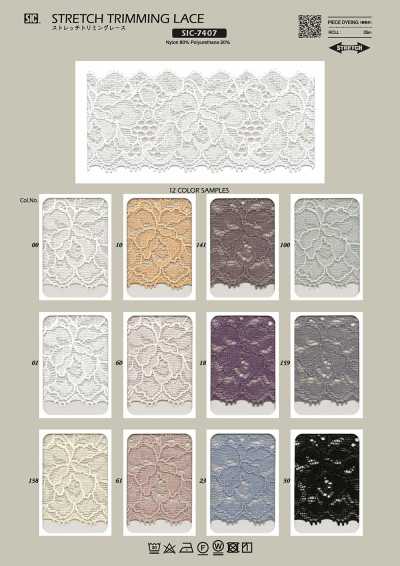
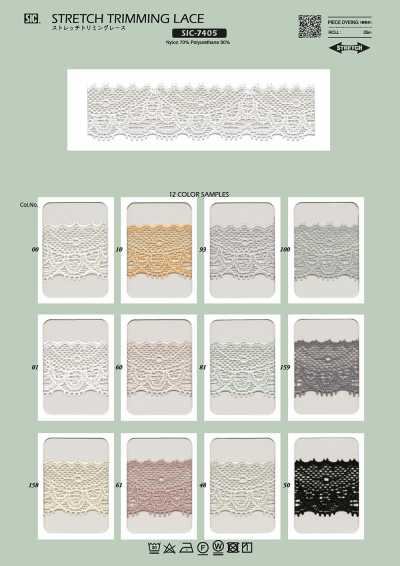
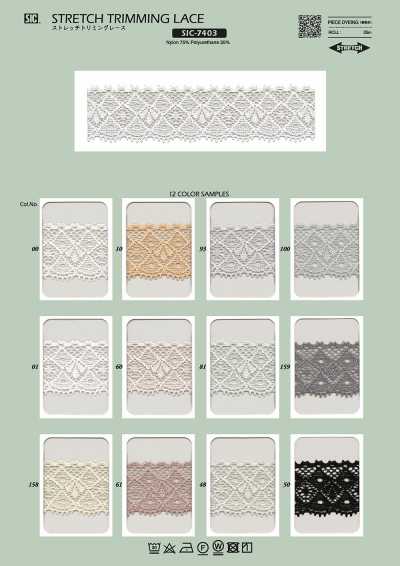
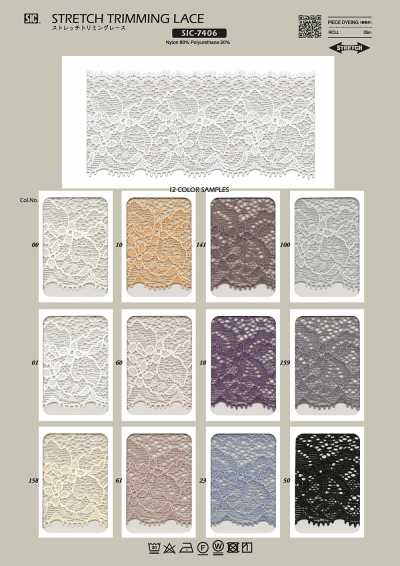
Contents6 sections
Definition and Overview
Raschel lace is a lace made on a raschel machine, a type of warp knitting machine. Warp knitting is a method of forming a knitted fabric by combining yarns arranged in the warp direction, and it can produce a mesh-like ground and patterns with relative stability. In addition to lace in fabric form, there are also narrow items for edging.
How It Is Made and Materials
On a raschel machine, many yarns are moved by guides, and the ground structure and pattern structure are knitted separately. Pattern expression changes depending on yarn movement, structure, thickness, and color arrangement. Because it is a knitted fabric, it differs from the structure of ordinary woven fabric, where warp and weft yarns cross at right angles.
Materials commonly used include nylon, polyester, and rayon, and polyurethane may also be combined depending on the application. Depending on the yarn material and thickness, knitting density, firmness, drape, sheen, sheerness, and elasticity vary greatly.
Visual Features
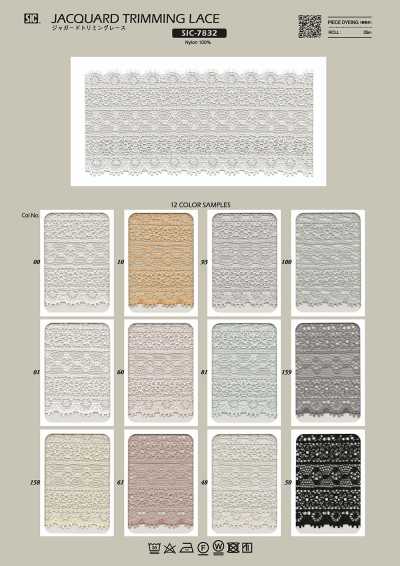
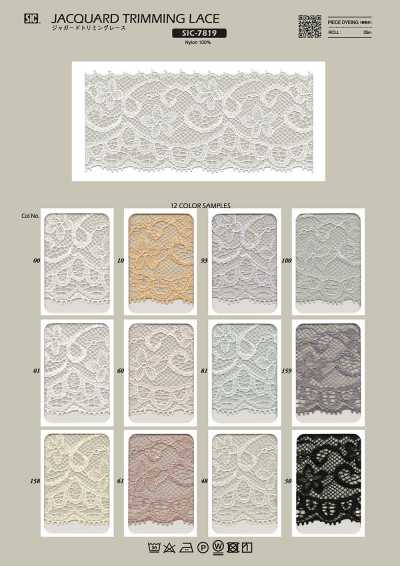
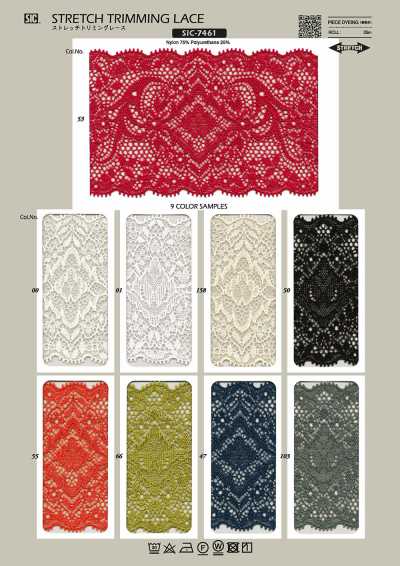
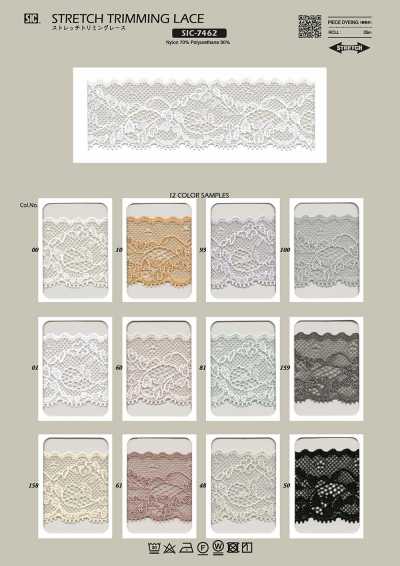
A notable feature is that it easily expresses a wide variety of dimensional patterns, such as floral patterns, geometric patterns, and net-like grounds. There are types ranging from relatively firm ground structures to those that look thin and delicate, and the degree of sheerness and overall impression change depending on the size of the pattern and the size of the openings.
Its method and appearance differ from lace characterized by delicate outlines and high-density patterns, such as Leavers lace. It also differs from chemical lace, in which the ground is dissolved after embroidery to leave only the pattern; raschel lace forms both ground and pattern through the knitted structure itself.
Main Applications
It is used for blouse, dress, and skirt panel changes and partial applications, as well as underwear, lingerie, and nightwear. In dresses and stage costumes, it may be used in layered applications that take advantage of sheerness, or as decoration for sleeves, collars, and hems.
Narrow raschel lace is used for lingerie edging, decorative overlays on elastic bands, and garment hem decoration. For the intended product application, it is important to select it after checking skin feel, required elasticity, pattern direction, and post-sewing strength.
Selection and Handling Notes
Elasticity is not a common property of all raschel lace; it differs depending on the structure, knitting direction, and whether polyurethane is included. In pattern making, check the stretch direction and align the grain as needed. Thin fabrics and patterns with large openings require care because seam allowances and stitches are more likely to show.
When cutting, confirm the pattern placement and left-right symmetry, and handle fine patterns and net sections without pulling them strongly. The edges may not fray easily, but depending on the cutting method and structure, yarns may come loose or the edges may become distorted. Follow the product care label for washing, and consider using a laundry net or a gentle process to avoid snagging.
- In prototyping, check post-wash stretch and shrinkage, waviness in the seams, and the condition of the edges.
- When sewing, consider the needle, thread, and sewing conditions that suit the fabric in advance, including needles and fine thread for thin fabrics.
- To reduce sheerness, check how it is layered with lining or a separate fabric.
Frequently Asked Questions
What is the difference between raschel lace and stretch lace?
Raschel lace is a name that primarily indicates the manufacturing method, referring to warp-knit lace made on a raschel machine. Stretch lace, on the other hand, is a general term for lace with elasticity. Some raschel lace uses polyurethane or similar materials to provide stretch, but not all of it is stretchable.
Can raschel lace be machine washed at home?
Whether it can be washed depends on the materials used, dyeing and finishing, and attached accessory materials. Delicate net sections and dimensional patterns are prone to snagging, so for products intended for home washing, consider using a laundry net and a gentle wash, and always conduct a washing test for each product.
- Search products for "raschel lace"
- Products with material "Polyester"
- Products with material "Nylon"
- Products with material "Rayon"
- Products with material "Polyurethane"
- Products for style "For Innerwear"
- Products for style "For Lingerie"
- Products for style "For Shirts/blouses"
- Products for style "For Skirts And Dresses"
- Products for style "For Formal Wear"
- Products for style "For Costumes/dresses"
- Browse Lace products