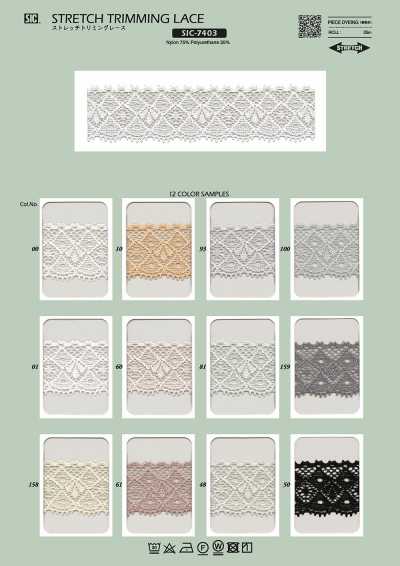
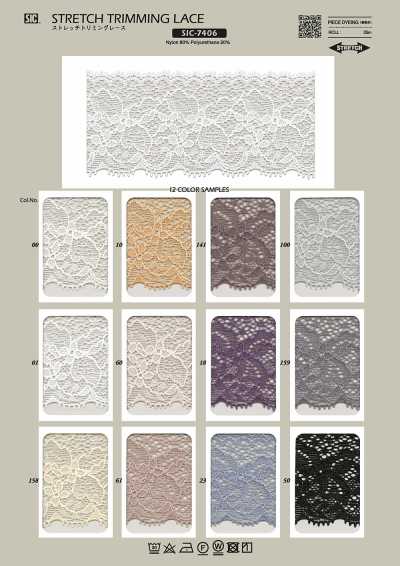
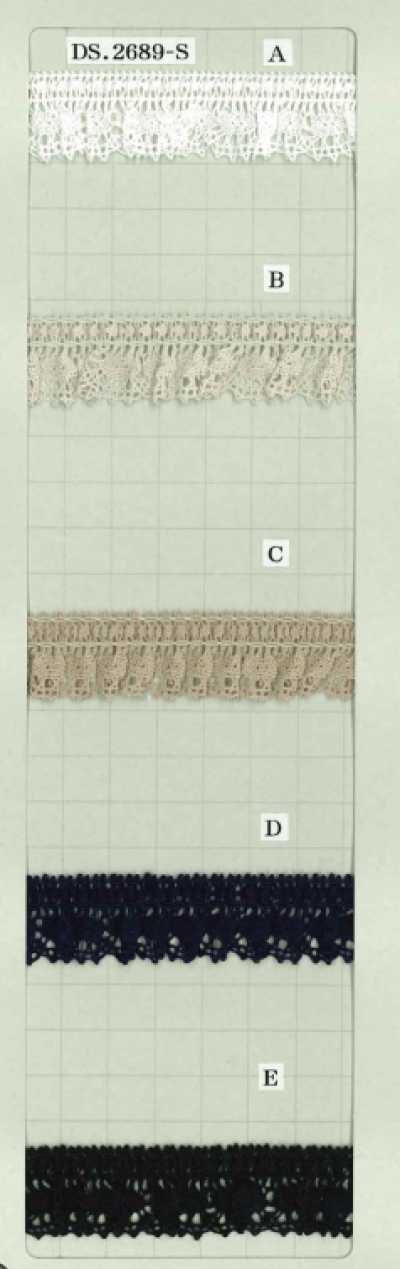
Stretch Lace
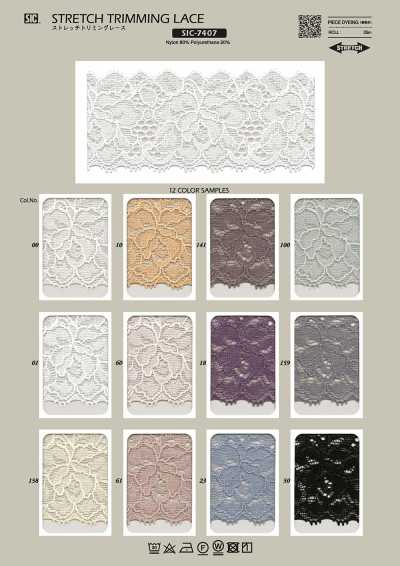
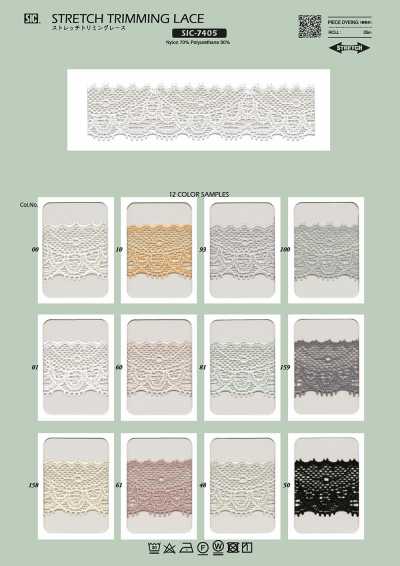
Stretch lace is a lace material that has lace openwork patterns and, by combining elastic threads such as polyurethane, stretches and recovers mainly in the width direction or both lengthwise and widthwise.
Contents6 sections
Definition and Overview
Stretch lace is lace that combines decorative openwork patterns with stretchability. It follows the curves and movement of the body easily and is used for garment panels, edging, and layering that require a close fit.
The direction of stretch, how it stretches, and how well it recovers vary by product. Many stretch in the width direction, but some stretch both lengthwise and widthwise, so it is important to confirm the intended direction of use during planning.
How It Is Made and Materials
In many cases, lace patterns are formed by raschel knitting and made by combining nylon or polyester thread with elastic thread such as polyurethane. The size of the pattern, the fineness of the net section, and the thickness of the thread affect delicacy, strength, and stretchability.
Because stretch is created by knitting elastic thread into the lace structure, it is distinguished from lace simply sewn onto a stretchy textile. However, elastic lace is sometimes treated as having almost the same meaning as stretch lace.
Appearance and Main Applications
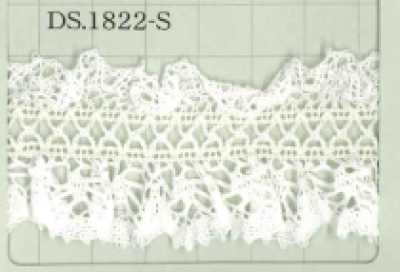
It is characterized by a wide range of designs, including floral patterns, geometric patterns, and scalloped edges. While it creates a light look that lets the skin show through, the fineness of the net and the sheen of the thread can be adjusted to create anything from casual to glamorous impressions.
It is used for lingerie, innerwear, and nightwear, as well as for sleeves, collars, and hems of blouses and dresses, and for costume decoration. When used on the body of a garment, consider whether to make use of its sheerness or to layer it with lining or another fabric as part of the specification.
- For uses that touch the skin directly, the stiffness of the edges and the texture of the pattern threads also affect comfort when worn.
- When using the scalloped edge, confirm the cutting position and left-right pattern matching.
How to Choose and Handling Notes
When selecting, check not only the stretch rate but also recovery after stretching, the stretch direction, width, and pattern repeat. When using it for the body of a garment or in place of elastic band, adjust the amount of stretch in the actual seam allowance and sewing conditions, and check the tightness and rippling in a sample.
The mesh and edges of lace are easy to catch, and strong force can cause thread breakage or fraying. During cutting, stabilize the pattern, and during sewing, do not pull the textile excessively; if necessary, consider using a fine needle or a sewing method that follows stretch.
Wash according to the care label on each product. In general, friction, twisting, and contact with hook and loop can cause damage, so using a laundry net and separating it from other clothing is effective. Bleach and high-temperature drying may affect the fibers and elastic thread.
Differences from Similar Terms
Stretch lace is a term based on stretchability, while raschel lace and torsion lace are classified mainly by manufacturing method and structure. Even if it is raschel lace, it is not necessarily stretch lace unless it contains elastic thread.
Tulle lace refers to lace that makes use of a tulle-like ground structure. Some tulle laces have stretch properties, but stretch lace is not limited to tulle and is a name used for lace with a wide range of patterns and structures.
Frequently Asked Questions
Which direction does stretch lace stretch in?
Many products stretch in the width direction, but some stretch lengthwise, and others stretch both lengthwise and widthwise. If the cutting direction is wrong, the required fit will not be achieved, so lightly stretch the actual material to confirm the direction and also specify it clearly in the specifications.
Can fraying in stretch lace be prevented?
Can stretch lace be washed at home?
Whether it can be washed at home depends on the blend ratio, dyeing, finishing, and attached components, so the care label must be followed. Even if it is washable, using a laundry net and reducing catching and friction can help minimize damage to the lace.
- Browse Stretch Lace products
- Products with material "Polyester"
- Products with material "Nylon"
- Products with material "Polyurethane"
- Products for style "For Innerwear"
- Products for style "For Lingerie"
- Products for style "For Nightwear"
- Products for style "For Shirts/blouses"
- Products for style "For Skirts And Dresses"
- Products for style "For Costumes/dresses"
- Browse Lace products