Reinforcement Fabric
Reinforcement fabric is a reinforcing cloth placed on the underside of areas where stress concentrates, such as button attachment areas and pocket openings, to prevent tearing, stretching, and seam slippage in the outer fabric.

Contents6 sections
Definition and role
Reinforcement fabric is an accessory material used to locally reinforce areas that are prone to pulling and friction during wear. By layering it on the underside of the outer fabric and sewing it in place, it disperses force over a wider area and reduces stress on the outer fabric and sewing thread.
In button-down shirts, a small piece of reinforcement fabric may be used on the underside where the collar tip button is attached. The purpose is to prevent tearing and hole enlargement caused by the button-attaching thread pulling strongly on only the outer fabric.
Position in product development
Whether reinforcement fabric is needed and what shape it should take are decided at the planning and pattern-design stage, based on the outer fabric’s thickness, structure, stretch, and the load during wear. The specification sheet clearly states the area of use, dimensions, material, color, and sewing method to ensure alignment with the sewing factory.
After cutting, reinforcement fabric is usually temporarily secured to the target part before proceeding to processes such as button attachment or pocket sewing. Even a small component can affect appearance and strength if it shifts position, so it is controlled with match marks or jigs.
- Attachment points for buttons, snap buttons, and similar items
- Areas that are repeatedly pulled, such as pocket openings and plackets
- Local reinforcement for thin fabrics, open constructions, and easily stretched materials
- Attachment points where load is concentrated, such as bags and uniforms
How to choose the material and specifications
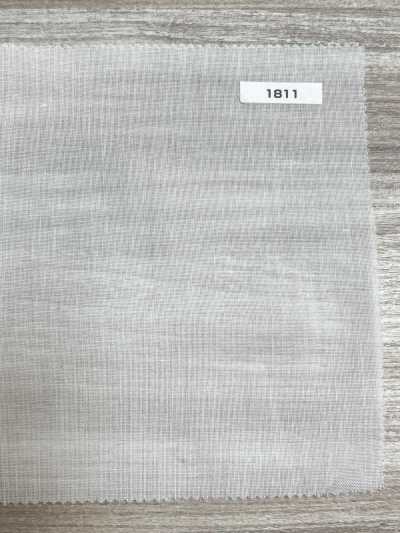
Reinforcement fabric may be woven fabric, nonwoven fabric, felt, or similar materials chosen with consideration for compatibility with the outer fabric, ease of sewing, and the required strength. In areas that may touch the skin side, thickness, stiffness, and edge feel should also be checked. It is also important that it does not show through or create noticeable surface unevenness on the right side.
Making the reinforcement fabric larger or stiffer can improve reinforcing performance, but it may also cause local stiffness, puckering, or a difference in shrinkage from the outer fabric. The grain direction of the outer fabric, the direction of the reinforcement fabric, and the fraying tendency of cut edges should also be included in the specification review.
Points to note for ordering and quality
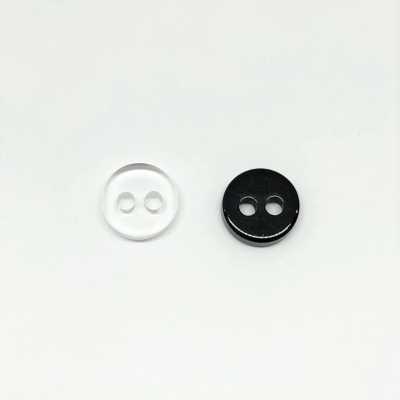
When ordering, specify not only the material name but also thickness, fabric weight, color, cut shape, required quantity, and whether adhesive is used. If using die-cut circular parts or similar items, confirm with samples that the button diameter, stitch-hole position, and dimensions do not interfere with machine operation.
Before mass production, check the condition under repeated pulling using trial samples that combine the actual outer fabric, buttons, and sewing thread. For products intended for washing or dry cleaning, also check shrinkage, hardening, peeling, color transfer, and surface fading.
Difference from similar terms
Reinforcement fabric is cloth that increases the durability of a specific area, and it differs in role and shape from a reinforcement button attached behind a button to bear load. A reinforcement button is the button itself, whereas reinforcement fabric is usually a reinforcing sheet or piece of cloth that is not visible from the outside.
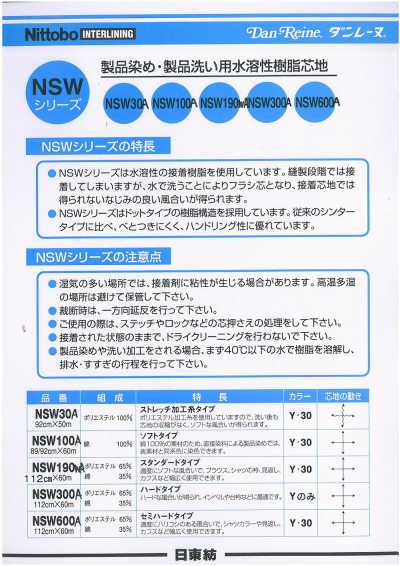
Fusible interlining is also widely used for shape retention and hand feel adjustment in collars, plackets, facings, and similar parts. Interlining can be used as reinforcement fabric, but reinforcement fabric is a term that indicates the area and purpose of reinforcement, while fusible interlining refers to the material and structure.
Frequently asked questions
When is reinforcement fabric needed?
With thin fabrics, easily stretched fabrics, and fabrics with a loose weave density, repeated loads on buttons or pocket openings can easily damage the fabric. It is not always required, but the frequency of use of the part and the strength of the outer fabric should be checked, and the need for reinforcement should be determined through trial production.
Are reinforcement fabric and reinforcement button used together?
At button attachment points, some specifications use a reinforcement button on the back side for the front-side button, and further reinforce the surrounding area with reinforcement fabric. However, because this increases thickness, only the reinforcement method that is truly needed should be selected, taking into account the outer fabric, button diameter, and wearing comfort.