Fusible Interlining
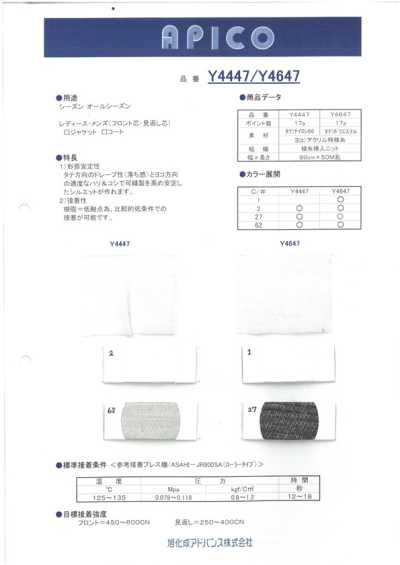
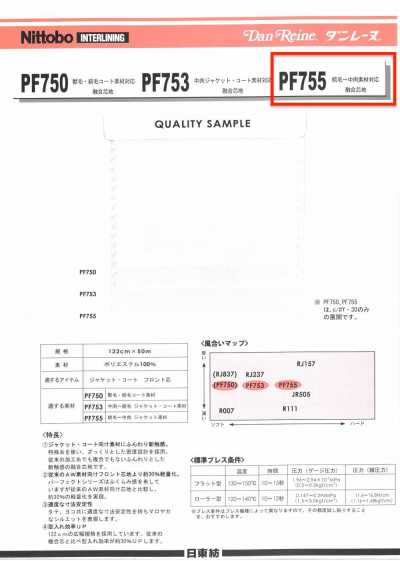
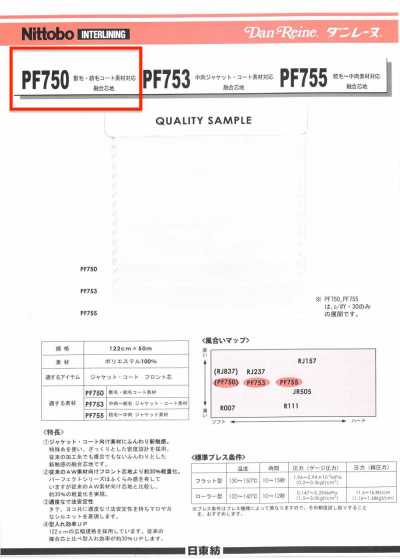
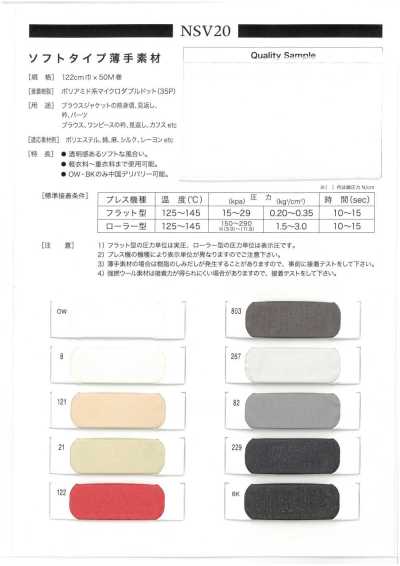
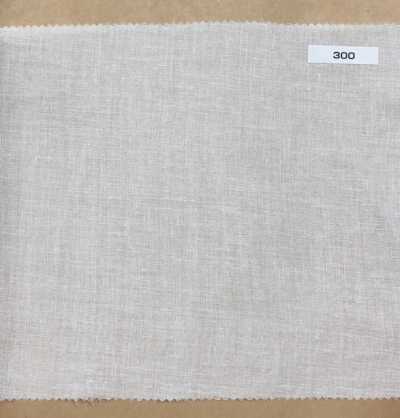
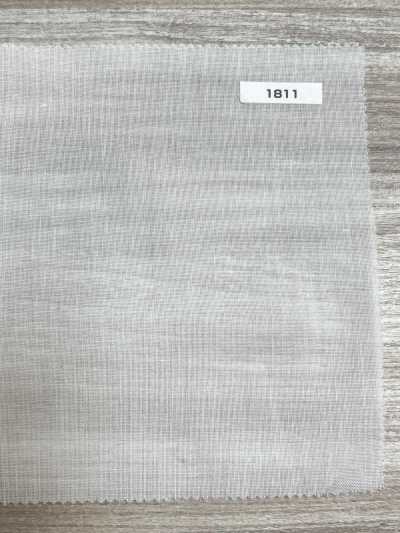
Fusible interlining is a one-sided interlining with heat-melt adhesive resin on one side, applied to the back of the outer fabric to help retain shape, reinforce it, and add body and stiffness.
Contents6 sections
Definition and Overview
Fusible interlining is an interlining that melts an adhesive resin with heat and pressure, then bonds to the reverse side of the outer fabric. It is used for garment facings, collars, front closures, and similar parts to provide the firmness, stability, and ease of handling during sewing that the outer fabric alone may lack.
Unlike non-fusible interlinings such as haircloth interlining and bus interlining, which are sewn in, its defining feature is that it is integrated with the outer fabric through a fusing process. However, even when fusible interlining is used, not every area becomes stiff; the finish varies greatly depending on the type of interlining and the area to which it is applied.
Areas of Use and Function
Fusible interlining is used in areas where shape retention or strength is needed, such as collars, cuffs, front closures, facings, pocket openings, flaps, belts, and waist areas. It is also used to stabilize seam allowances on thin or easily stretched outer fabrics and to make sewing and pressing easier.
In shirts and blouses, it is used to maintain the shape of collars, collar stands, and cuffs; in jackets and coats, it is used to reinforce the front body, facings, collars, and pocket areas. In knits and stretch materials, it is important to use interlining selectively in a way that does not hinder stretch.
- Shape retention: keeps the outline of collars and front closures neat.
- Reinforcement: suppresses stretching and tearing around buttonholes, pocket openings, and fastener areas.
- Dimensional stability: reduces stretching, twisting, and sewing distortion to improve sewability.
- Hand adjustment: adds the firmness, volume, and body required for the outer fabric.
Materials and Types
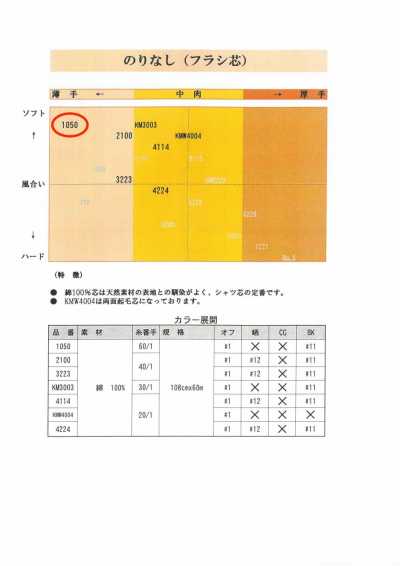
The base materials include woven, nonwoven, and knit structures, each with different hand and conformability. Nonwoven interlining is easy to handle because cutting direction is less of a concern, while woven interlining makes it easier to preserve the supple feel of woven outer fabrics, and knit interlining is designed to conform to stretch materials.
Fiber materials include polyester, nylon, and cotton. Adhesive resin is often applied in dot form, and its bonding performance and hand change depending on particle size, density, and resin properties. Stretch, thinness, stiffness, color, and transparency are also key factors to confirm when selecting a product.
How to Choose and Fusing Precautions
Choose interlining to match the thickness, density, stretch, and drape of the outer fabric, avoiding anything excessively thick or stiff compared with the outer fabric. The basic approach is to select a lightweight, soft type for thin fabrics, and a type that can maintain the intended shape for collars and front closures. Also check the surface texture and sheerness of the outer fabric to confirm that the unevenness or color of the interlining will not show through.
Fusing conditions should be set based on the temperature, pressure, and time specified for the interlining. Insufficient temperature or pressure can cause peeling, while excessive heat or pressure can lead to shine, shrinkage, strike-through, or changes in hand. Before mass production, perform a test bond on the same outer fabric and confirm the bond after cooling.
After bonding, allow it to cool sufficiently so the adhesive resin stabilizes, and handle it carefully so it is not pulled strongly or stacked while hot. During sewing, check for differences in level between fused and unfused areas, visible needle holes, and puckering, and adjust the needle, sewing thread, feed amount, and pressing conditions as needed.
Differences from Similar Terms
Nonwoven interlining, woven interlining, and knit interlining are terms that classify interlining by base structure. Each of these may be either a fusible type with adhesive resin or a non-fusible type used by sewing or other means. Fusible interlining refers not to the structure of the base material, but to the method of use through heat bonding.
Haircloth interlining, bus interlining, and non-fusible interlining are mainly used in sewn-in or floating forms. In tailored garments in particular, they are used to create three-dimensionality and mobility. Fusible interlining can simplify the process, but the compatibility with the outer fabric and the fusing conditions greatly affect the finish and durability.
Frequently Asked Questions
Does fusible interlining need to be the same color as the outer fabric?
It does not have to be the same color, but with light-colored, thin, or sheer outer fabrics, the color of the interlining or the unevenness of the adhesive resin may affect the appearance on the face side. Do not judge only by white, off-white, or black; apply it to the actual outer fabric and check how it looks from the face side before choosing.
What causes fusible interlining to peel off?
In addition to insufficient bonding temperature, pressure, or time, surface finishes, brushed surfaces, water repellency, unevenness, and oil on the outer fabric can interfere with bonding. Insufficient cooling immediately after bonding also has an effect, so test under the specified conditions and confirm the bond state with washing and wear in mind.
Can fusible interlining be used with stretch fabric?
Yes, but it is important to choose a stretch-compatible interlining that matches the stretch direction and extension of the outer fabric. If a non-stretch interlining is applied over a wide area, it can interfere with the stretch of the outer fabric and cause pulling or peeling. It can also be used partially in the necessary areas.
- Browse Fusible Interlining products
- Products with material "Cotton"
- Products with material "Polyester"
- Products with material "Nylon"
- Products for style "For Shirts/blouses"
- Products for style "For Outerwear/blousons/coats"
- Products for style "For Pants"
- Products for style "For Skirts And Dresses"
- Products for style "For Jackets/Suits"
- Browse Interfacing products