Belt Loop
A belt loop is a narrow accessory piece attached to the waist area of pants, skirts, and similar garments to hold a belt in place and prevent it from shifting or lifting away.
Contents6 sections
Definition and Overview
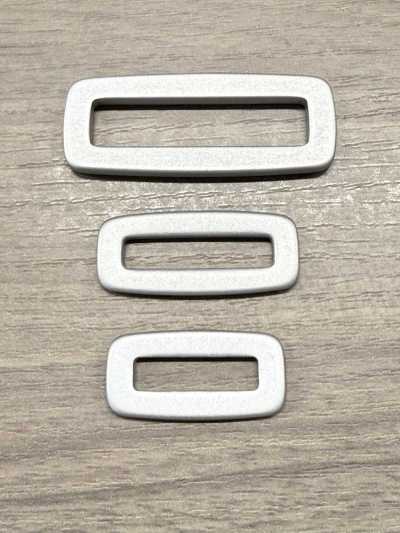
A belt loop is a ring-shaped part attached vertically to the outside of a waist belt or waistband. It creates a path for threading a belt and helps prevent the belt from shifting or lifting away from the waistband while worn. It is also called a belt pass-through.
It is generally made from the same textile as the body, but tape or leather may also be used. It is a detail that supports the product’s function while also refining the look around the waist.
Placement and Role
It is mainly used on the waistbands of slacks, jeans, casual pants, and skirts. It is placed near the front center, sides, and back center to support the belt at appropriate intervals for the belt width.
If there are too few belt loops, the belt is more likely to move away from the waistband. On the other hand, the number and placement are determined by considering the design, belt width, pocket position, and the relationship with pleats or darts.
Materials and Types
A self-fabric finish makes it easier to match the color and texture of the body, and it is widely used from dress pants to casual wear. There are types made by cutting narrow strips and folding them, then sewing the edges together, and types that use prewoven narrow tape.
For heavy fabrics and workwear, sturdy textiles, tape, leather, and similar materials that can withstand friction and pulling are chosen. In denim, thicker loops are used, and there are also specifications that add presence with reinforcing stitching.
- Self-fabric loop: A common specification made by processing the body textile into a narrow strip.
- Tape loop: A specification that uses woven tape or similar material and is easy to finish to a uniform width.
- Leather loop: A specification that can add design appeal while considering friction with the belt.
Selection and Sewing Notes
The inner length and width of the loop should match the width and thickness of the belt to be used. Avoid settings that are too narrow to thread easily or too wide, which allows the belt to move excessively. During prototyping, confirm the threading feel with the actual belt to be used.
Load and friction from the belt concentrate at the attachment points. In addition to sewing the top and bottom ends securely into the waistband, products expected to use heavy fabric, heavy belts, or strong pulling may be reinforced with bar tacks or similar stitching.
Because self-fabric loops are narrow, care is needed to avoid grainline misalignment during cutting, twisting during sewing, and reversal of the right and wrong sides. For patterned materials, also check how the pattern appears, and match the width, length, and attachment height on the left and right, front and back.
Differences from Similar Terms
Looper is sometimes used as a broad term for ring-shaped accessory parts, and a belt loop is the type used for threading a belt. Depending on the product or workplace, both terms may be used with the same meaning.
A frog button mainly refers to a small ring-shaped part around a belt or buckle used to hold down the tip or excess length of the belt. It differs in role and attachment position from a belt loop, which is fixed to the waistband and guides the belt as a whole.
Frequently Asked Questions
How is the width of a belt loop determined?
Based on the width and thickness of the belt to be used, set an inner dimension that allows smooth threading and does not move excessively while worn. The width of the loop itself is determined while also considering the product’s style and balance with the waistband width. When using a thick leather belt, it is important to confirm with a threading test.
What should be done if a belt loop tends to come off easily?
Make sure the top and bottom ends are securely included in the waistband stitching and ensure the seam allowance and seam strength are sufficient. For pants with heavy load or thick fabric, reinforcement stitching such as bar tacks may be added. If there is a large difference in thickness between the loop material and the body textile, also check for sewing shift and needle damage in advance.