Loop Turner
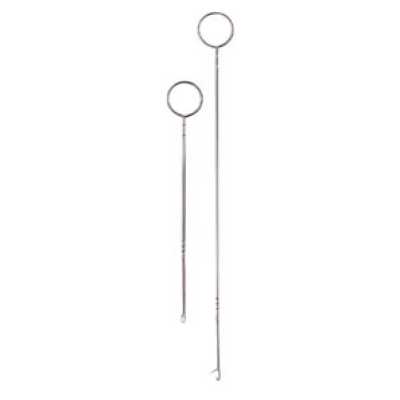
A loop turner is a long sewing aid used to turn a narrow tube of sewn fabric right side out to make cord-like loops and thin straps.
Contents6 sections
Definition and Overview
A loop turner is a tool used to turn sewn fabric right side out by threading a hooked tip through the end of a bag-shaped sewn tube and catching the seam allowance side to pull it back. It is suitable for quickly turning narrow fabric tubes.
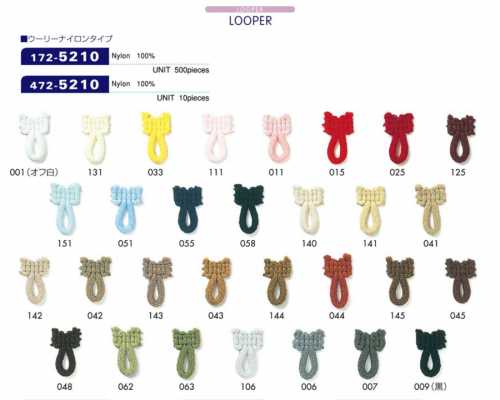
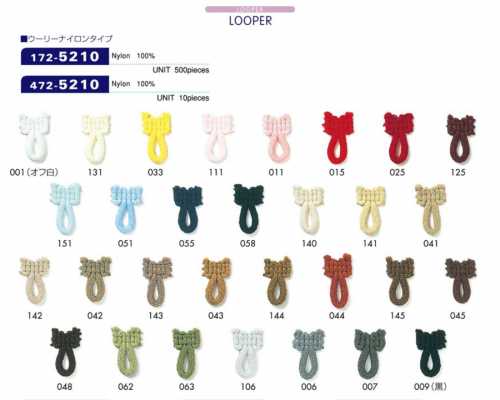
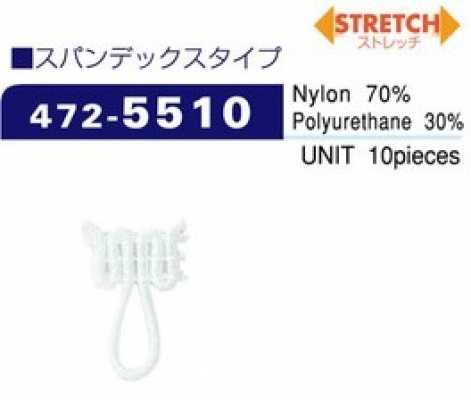
The name may refer either to the turning operation itself or to the needle-like tool used for that operation. It is different in function from a garment loop or the loopers used in sewing machines, so they should be distinguished when ordering or giving instructions.
Parts Used and Function
It is mainly used for long, narrow bag-like pieces finished by turning them right side out, such as belt loops, hanger loops, decorative cords, and thin shoulder straps. Because the seam allowance can be tucked inside, it creates a neat appearance with no cut edge showing.
In the work process, one side of the finished end is usually left open as the turning opening, while the opposite side is closed or secured by stitching. After turning, corners and edges are lightly shaped with an awl or similar tool, and if needed, an iron is used to stabilize the form.
Materials and Types
The body is often made of metal, and the typical form has a hook at the end of a thin shaft. Because the hook securely catches the fabric edge and pulls it back, it is suitable for turning cord-like parts.
There are different shaft lengths, thicknesses, and tip shapes. Choose a thin-shaft type for short, narrow loops, and one that reaches the needed length for long belt loops or straps. Sharp tip shapes require care so they do not damage lightweight fabrics.
- Hook-type tools turn the piece by catching the fabric edge on the seam allowance side.
- Rod-type turning tools assist right-side turning by pushing inward.
- For wide cords or heavy fabrics, a tool with a shaft that is not too thin and has sufficient strength is easier to handle.
Main Applications
They are used for belt loops on pants and skirts, hanger loops on jackets, thin straps on dresses, and decorative self-fabric cords. Because they are made from the same fabric, it is easy to match the color, pattern, and texture to the garment body.
However, if you make an extremely narrow loop from a thick fabric or a material with high friction, turning becomes difficult. At the specification stage, it is important to consider the finished width, seam allowance amount, and fabric thickness together.
Selection, Handling, and Sewing Notes
When selecting one, confirm the length of the tube to be turned, the finished width, and the fabric thickness. If the shaft is too thick, it will not pass through; if it is too thin, the hook may not catch the fabric edge easily. It is safer to check ease of use and finished quality with a sample.
Do not make the seam allowance excessively wide, and tidy the end of the stitching before turning. Pulling too hard on the hook can break sewing thread, tear lightweight fabric, or stretch elastic materials. If it snags, do not force it; review the seam allowance or width specification.
After use, inspect the tip for bending, wear, or burrs. Damage at the tip can catch the fabric, so store it where it is less likely to contact other tools, and handle it as part of needle management in the sewing process.
Frequently Asked Questions
Are a loop turner and a looper the same thing?
No. A loop turner refers to the operation of turning a narrow sewn tube right side out, or the helper tool used for that purpose. A looper, on the other hand, may refer to a cord-like garment attachment or a sewing machine part that forms stitches. In specifications, distinguish them by clearly stating the application.
What should I do if a thin belt loop breaks partway through and cannot be turned?
Do not pull forcefully, as this may damage the stitching or fabric; stop the work once. Check whether the seam allowance is too large for the finished width, and whether the shaft of the turning tool is too thick. For heavy fabrics, consider widening the loop, switching to a thinner fabric, or using a different finishing method.
When using a loop turner, how should the fabric be sewn, right side or wrong side?
In general, sew the fabric with the right sides together to make a long narrow tube with the seam allowance side on the outside. Then pull the closed end inward with the turning tool to bring the right side out. If the seam ends up drifting toward the center after turning, adjust the seam position with an iron before finishing.