Textile Finishing
Textile finishing is the finishing process of treating woven or knitted fabrics after weaving or knitting, and dyeing if needed, to adjust width and shape while adding hand feel, appearance, and functionality as required.
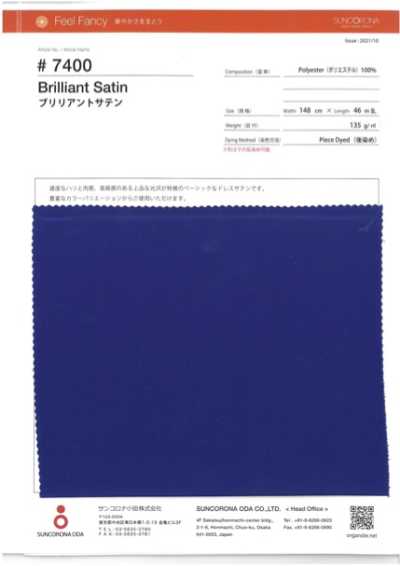
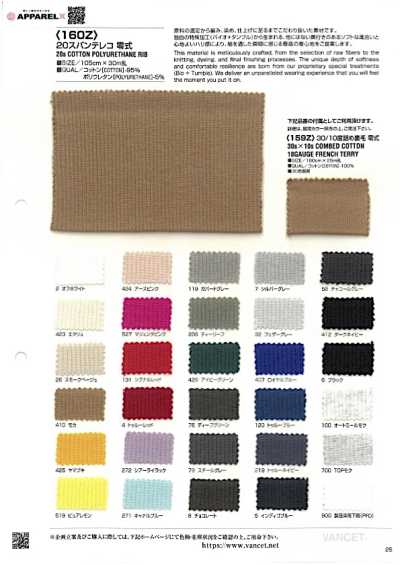
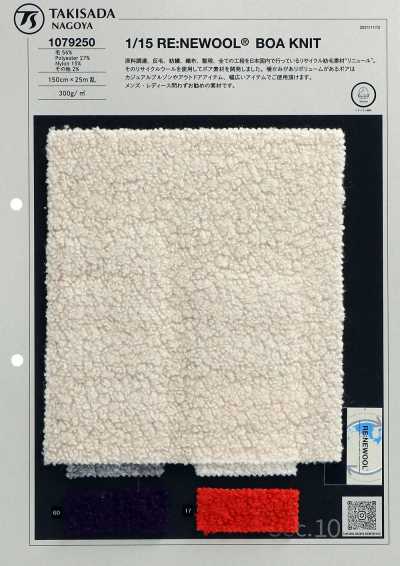
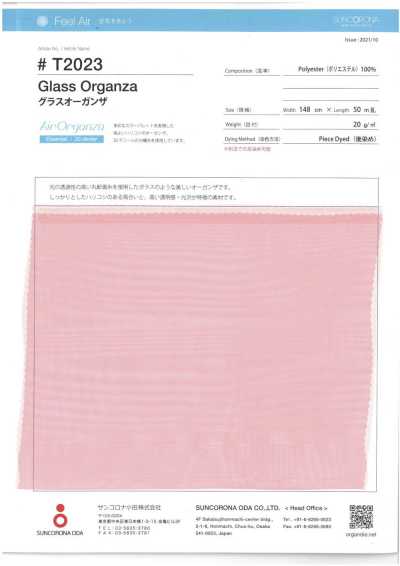
Contents6 sections
Definition and Overview
Textile finishing is the general term for finishing applied after fabric is woven or knitted, and after dyeing or other processes as needed. It adjusts fabric width, dimensions, surface, and hand feel, bringing the material closer to the appearance and performance required by the design.
Singeing, brushed finishing, softening, resin finishing, shrinkproofing, and water repellency are representative treatments included in textile finishing. Multiple finishes may be combined on a single fabric, and the fabric’s properties can change significantly depending on the finishing content.
Effects on Hand, Function, and Appearance
Textile finishing can adjust the hand qualities of firmness, body, softness, fullness, smoothness, luster, and texture. Some finishes suppress surface fuzz to give a smoother look, while others deliberately leave fuzz or unevenness to preserve a natural appearance.
It may also add functions such as reducing shrinkage, improving wrinkle resistance, giving water repellency, and reducing static electricity. However, finishing is affected by the material, structure, and downstream processing conditions, and it may not be possible to satisfy the desired performance and feel at the same time.
- Singeing: a process that burns off surface fuzz to suppress fuzziness.
- Brushed finishing: a process that raises fuzz on the surface by raising the nap to create warmth and softness.
- Shrinkproofing: a process intended to reduce dimensional change caused by washing and similar care.
- Resin finishing: a process that adjusts firmness, wrinkle resistance, dimensional stability, and similar properties.
Main Applications
Textile finishing is used for a wide range of fabrics, including shirts, blouses, pants, jackets, coats, dresses, sportswear, and uniforms. Even when the material and structure are the same, finishing can be used to design a look, wearing comfort, and functionality suitable for the intended applications.
For spring and summer items, finishes that emphasize a cool feel, good skin separation, and a light appearance may be selected. For fall and winter items, brushed or fulling finishes may be used to emphasize warmth and fullness. In addition to the intended applications, whether the product will be garment washed also needs to be considered.
Selection and Handling Notes
When selecting fabric, do not judge only by the finishing name; check the finished hand, thickness, stretch, surface condition, and dimensional change after washing using the actual material. In particular, natural fibers and blended fabrics may show different appearance depending on the finishing conditions and lot.
In sewing, if finishing changes smoothness or firmness, it may affect cutting shifts, sewing displacement, puckering, and needle marks. Before full production, it is important to unroll the bolt, confirm shrinkage, and carry out trial sewing that includes interfacing, needles, thread, and sewing conditions.
Some finishes lose softness, luster, or water repellency due to washing, friction, or heat. Garment care labels should be set based not only on the material but also on the durability of the applied finish, and washing tests should be checked when necessary.
Differences from Similar Terms
Dyeing is the process of adding color to fabric or yarn, while textile finishing is the process of mainly adjusting the dimensions, hand, surface, and functions of the fabric after dyeing. In practice, however, it may be referred to collectively as dyeing and finishing, and the two processes may be handled as an integrated operation.
Fabric structure is the construction that shows how yarns are combined, such as plain weave or twill. Textile finishing differs in that it is a downstream process that does not change that structure, but instead adjusts properties by working on the surface or otherwise affecting it.
Frequently Asked Questions
Are textile finishing and dyeing finishing the same?
No, they are not the same. Dyeing finishing is mainly the process of adding color, while textile finishing is the process of adjusting fabric width and shape, and controlling hand, surface feel, and function. However, in production sites and product descriptions, the two may be referred to together as dyeing and finishing.
Does textile finishing eliminate shrinkage?
It does not necessarily eliminate it completely. Even with finishing intended to prevent shrinkage, dimensional change can still occur depending on the material, structure, processing conditions, and washing method. Before mass production, it is necessary to perform washing tests on the actual fabric and reflect the shrinkage rate in the pattern and specifications.
What should be checked when sewing finished fabric?
Check the front and back sides of the fabric, grain line, shrinkage rate, stretch, smoothness, fuzz, and reaction to heat. Because finishing can make sewing displacement, needle marks, and puckering more likely, trial sewing should be done including the interfacing, sewing thread, needles, and press conditions to be used.