Cut-and-sew
Cut-and-sew is a general term for garments made by cutting and sewing knit fabric, or for knit fabric used for that purpose. It is widely used for stretchy everyday wear such as T-shirts.
Contents6 sections
Definition and Overview
Cut-and-sew is a general term for garments made by cutting and sewing knit fabric produced by circular knitting or similar methods according to a pattern. It can also refer to the fabric itself as “cut-and-sew fabric,” and the scope of the term varies by industry and sales context.
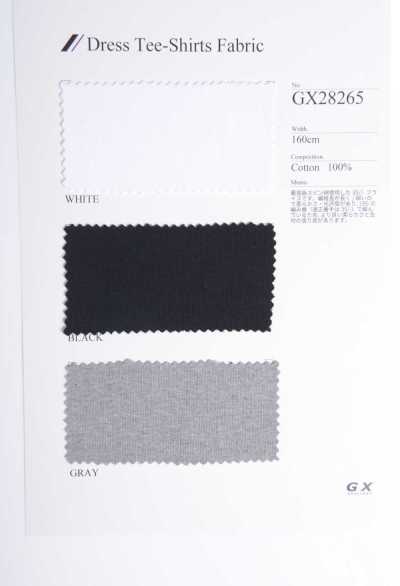
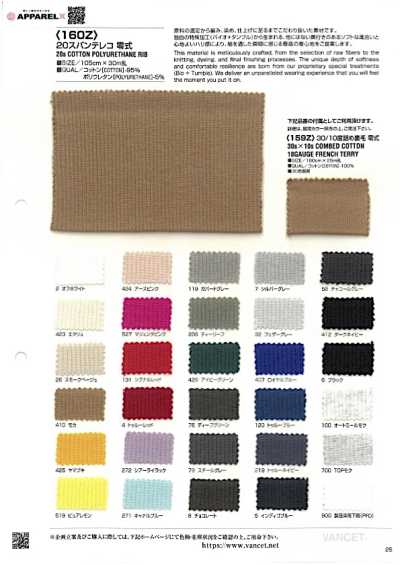
Because it is not a fiber name or a knitting structure name, it is made from a wide range of fibers such as cotton, polyester, and rayon. In addition, knit fabrics with different uses and textures, such as jersey, circular rib, circular interlock knitting, and French terry, are used for cut-and-sew items.
Features
Knit fabric is characterized by its looped yarn structure, which makes it easy to stretch and allows it to follow body movement. A soft texture, good feel against the skin, and relatively low visibility of wrinkles are also common characteristics of cut-and-sew items.
However, stretchability, thickness, breathability, warmth, and surface appearance vary greatly depending on the knit structure, stitch density, blend ratio, and finishing process. Options range from thin, lightweight materials to fabrics with firmness that make it easy to create a raised silhouette.
- Cotton-based materials offer absorbency and are easy to provide a natural hand feel.
- Synthetic fiber blends make it easier to adjust quick-drying properties, dimensional stability, and durability.
- Polyurethane blends help improve stretch recovery, but aging-related changes must also be considered.
Main Applications
Typical applications include T-shirts, polo shirts, tank tops, cut-and-sew tops, sweatshirts, parkas, and innerwear. Taking advantage of stretch and comfort, it is also used for dresses, skirts, pants, loungewear, and sportswear.
Thin, breathable knit fabrics are suitable for spring and summer tops and innerwear, while thick fabrics with French terry or brushed finishes are suitable for cold-weather clothing in autumn and winter. Seasonality is judged by combining the material, fabric weight, structure, and processing.
Selection and Handling Notes
When planning, check not only the blend ratio but also fabric weight, thickness, stretch direction, stretch recovery rate, distortion, and sheerness. Areas where shape retention is important, such as the neckline, cuffs, and hem, require specifications suited to the design, such as using rib knit or stay tape.
Knit fabric may stretch or curl at the edges during cutting and sewing. Straighten the grain and relax the fabric before spreading, and choose sewing specifications that do not interfere with the fabric’s stretch while using knit needles and differential feed as needed.
During laundering, shrinkage, distortion, skewing, fuzzing, and pilling may occur depending on the material and finishing. Perform washing tests before mass production and, if necessary, consider prewashing or shrink-resistant finishing. For finished products, handling according to the care label is basic practice.
Differences from Similar Terms
Knit refers to knit fabric and knitwear in general. Cut-and-sew, on the other hand, usually refers to garments made by cutting and sewing knit fabric, or to knit fabric intended for that purpose, and does not limit the structure. It is generally distinguished from sweaters and similar items formed in shape by flat knitting.
Jersey, circular rib, and circular interlock knitting are names of knit structures. Cut-and-sew is a broad umbrella term that includes these, and the appearance, thickness, stretch, and material cannot be determined from the term cut-and-sew alone.
Frequently Asked Questions
Are cut-and-sew and knit the same?
They are not completely synonymous. Knit refers to knit fabric and knitwear in general, while cut-and-sew mainly refers to garments made by cutting and sewing knit fabric, or the knit fabric used for that purpose. However, in sales settings, knit garments may also be broadly called cut-and-sew items.
Does cut-and-sew fabric shrink when washed?
The degree of shrinkage varies depending on the type of fiber, knit structure, finishing, and washing conditions. In particular, knit fabrics containing natural fibers may change in dimensions. In mass production, check the shrinkage rate after washing and consider whether pattern adjustments or shrink-resistant finishing are necessary.
What should be noted when sewing cut-and-sew items?
Pay attention to fabric stretch, edge curling, and distortion. To give the seams stretch, choose overlock or coverstitch machines as appropriate for the application. At the neckline and shoulders, stretch-stabilizing specifications may be added to prevent loss of shape.