Needle Eye
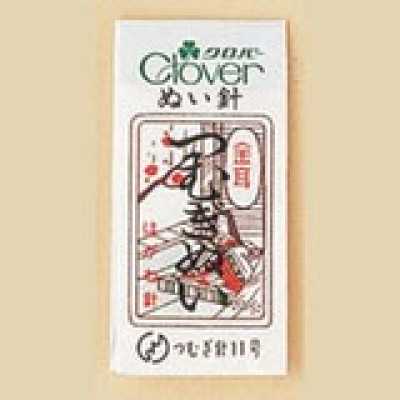
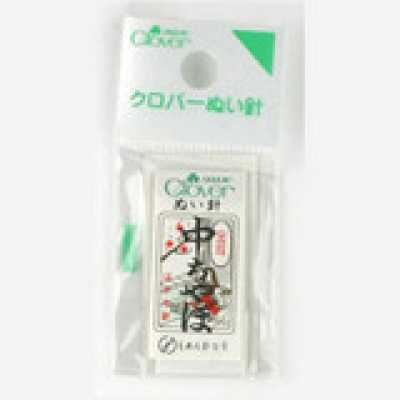
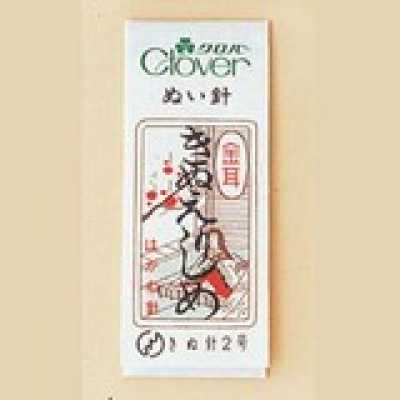
A needle eye is the hole at the end of a hand-sewing needle or embroidery needle used to thread yarn, and its shape and size vary depending on the needle’s application, thickness, and the yarn or ribbon being threaded.
Contents6 sections
Definition and Overview
The needle eye is the part of a sewing needle through which thread is passed, and it is also called the needle hole or the eye of the needle. It is located on the side opposite the needle point, and its role is to hold the threaded yarn and guide it through the fabric. The finish of the needle eye affects not only how easily the thread passes through, but also how smoothly the needle moves through the fabric while sewing.
If there is roughness or damage on the edge of the needle eye, the yarn may fray or break. For this reason, it is important to check not only the needle point but also the condition of the needle eye.
How to Use and Thread the Needle
Hold the yarn straight against the needle eye and smooth the end before threading it through. Trimming the yarn end neatly and, if necessary, lightly moistening it with your fingertip can reduce fraying and make threading easier. For a fine needle or when visibility is poor, using a needle threader is another option.
When using two strands of yarn or thick embroidery thread, check whether the bundle passes through the needle eye without strain. Pulling it in forcefully can damage the yarn or cause it to catch around the needle eye, so it is basic practice to switch to a needle suited to the application.
- Before beginning to sew, check that the yarn moves smoothly through the needle eye.
- If the yarn end frays, cut back the damaged part before threading.
- Select a needle threader that matches the size of the needle eye, and do not force it in.
Types and Selection
In addition to the standard oval shape, needle eyes may be long and narrow or large and open. A long, narrow needle eye makes it easier to thread embroidery thread or ribbon-like materials, while a larger needle eye is better suited to multiple strands of yarn or thicker yarn.
As needles become finer, their needle eyes also tend to become smaller, so selection is based on the combination of needle thickness and yarn thickness. For delicate textiles, choose a fine needle and fine yarn that will not damage the textile; for embroidery or repairs, choose a needle with a needle eye appropriate for the amount of yarn being used.
A larger needle eye is not always the right choice. If the thickness of the needle, including the needle eye, is too large for the textile, the needle hole may become noticeable or damage the textile, so judgment should be made based on the fabric, yarn, and stitching method together.
Care and Safety Precautions
A needle with lint, rust, or deformation in the needle eye should not be used. If sewing becomes difficult or the yarn breaks, check not only for wear on the needle point but also for damage along the edge of the needle eye, and replace the needle with a new one if necessary.
Keep needles away from moisture and store them in a pin cushion or case. Leaving them stuck in fabric or clothing after use may lead to loss or injury. Broken or unwanted needles should be placed in a container that will not allow them to scatter and disposed of safely.
Differences from Similar Terms
The needle eye refers to the hole in a needle used for threading yarn, not a hole made in fabric like a buttonhole. Also, eyelets are often metal fittings that reinforce holes in fabric or leather, or the holes themselves, and differ from a needle eye in both purpose and location.
A needle threader is a tool that helps pass yarn through the needle eye. It is not the name of the needle eye itself. It is used when the needle eye is small or when the yarn end is hard to pass through.
Frequently Asked Questions
If I choose a needle with a larger needle eye, will the yarn be easier to thread?
It may become easier to thread, but the needle as a whole is often also thicker, so the needle hole left in the fabric may be more noticeable. It is important to choose a needle that allows the yarn to pass without strain and is not too thick for the textile.
What should I do when the yarn catches in the needle eye?
First, trim back any frayed yarn end and check whether there is rust, damage, or deformation along the edge of the needle eye. If there is a problem with the needle eye, replace the needle. If the yarn thickness does not match the needle eye, switch to a needle that matches the thickness.
Which should I check first, the needle eye or the needle point?
Check both the needle point and the needle eye. If the needle point is dull, it can damage the fabric more easily, and if the edge of the needle eye is rough, it can cause the yarn to break. If you notice a decline in sewing feel or damage to the yarn, it is appropriate to replace the entire needle with a new one.