Sewing Needle
A sewing needle is a slender needle with an eye for threading sewing thread and a point for passing through fabric, used to stitch fabric and accessories together by hand.
Contents6 sections
Definition and Overview
A sewing needle is a hand-sewing tool with an eye for threading and a tip that passes through fabric, used to repeatedly pass through cloth to form stitches. It is used for basting, attaching buttons, hemming, repairs, and other steps that are difficult to handle with a sewing machine, as well as for finishing details.
In general, needle length, thickness, tip shape, and eye size vary. Choosing one to match the thickness of the textile, the density of the weave or knit, the sewing thread used, and the stitching method makes it easier to improve needle penetration and the finished result.
How to Use
Use sewing thread that is thin enough to pass through the eye of the needle without difficulty, and do not take more length than necessary. Advancing the needle at the proper angle to the fabric and keeping the stitch length and spacing even helps produce stable stitching.
When sewing thick materials or pushing the needle through, use a thimble. Forcing the needle and bending it may cause breakage, injury, or damage to the textile, so if it is difficult to pass through, review the type and thickness of the needle.
- For basting, choose a needle that is easy to handle and less likely to damage the fabric.
- For attaching buttons, check the thickness and eye size so they match the buttonhole and sewing thread thickness.
- For hemming, a thinner needle is used so the stitches are less likely to show through the outer fabric.
Types and How to Choose
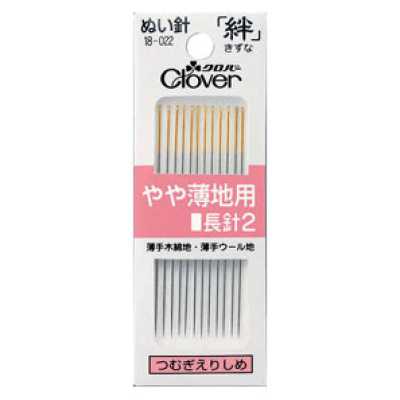
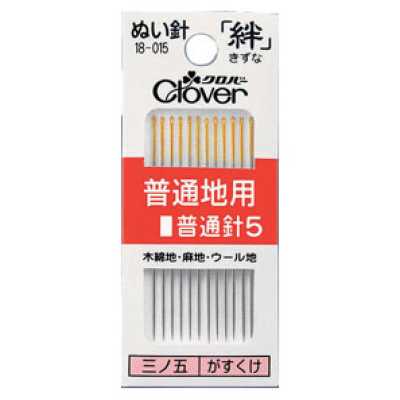
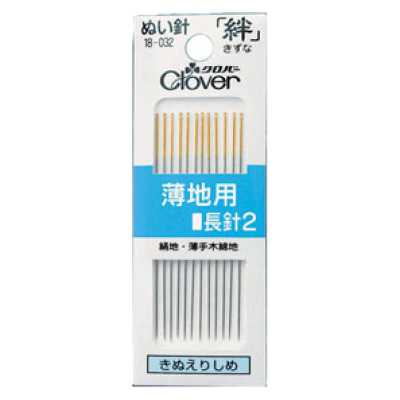
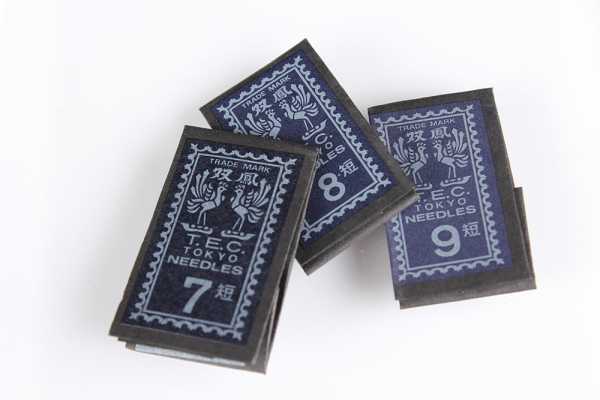
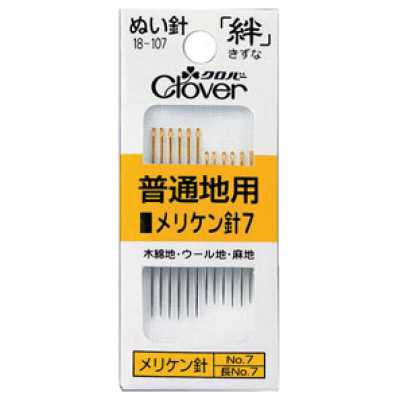
Se sewing needles include general-purpose needles, short needles suited to fine, small stitches, and longer needles that are easier to use for basting. The way names and sizes are indicated may differ depending on the manufacturer or distribution category, so check length, thickness, and intended use as well.
For thin fabrics or closely woven materials, a thin needle with a sharp tip is suitable. For thick materials, layered seam allowances, or button attachment, consider strength and eye size. However, a needle that is too thick may leave holes in thin fabric or cause the thread to pucker.
For knits or stretchy textiles, you may choose a needle with a tip shape that is less likely to cut the knit loops. It is important to test-stitch in an inconspicuous area and check for holes, puckering, or skipped stitches.
Care and Safety Notes
Do not use needles that have a dull tip, are bent, or show signs of rust. If the surface condition of the needle is poor, it may catch on the fabric or damage the thread. After use, keep it away from moisture and store it in a pin cushion or case.
Do not leave needles on the fabric or worktable during work; return them to the designated place, such as a pin cushion. After sewing, count the number of needles, and if one breaks, collect the fragments. In workplaces where preventing foreign material contamination is required, follow management procedures including needle inspection.
Differences from Similar Terms
A straight pin is a needle used to temporarily hold fabric in place before cutting or sewing, and it is usually not used for sewing with thread. A sewing needle differs in that thread is passed through the eye to form stitches.
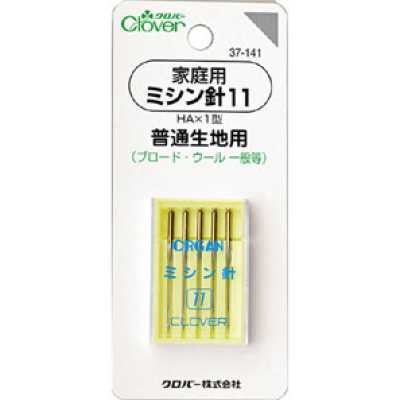
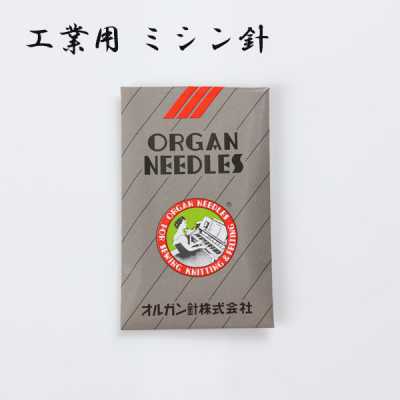
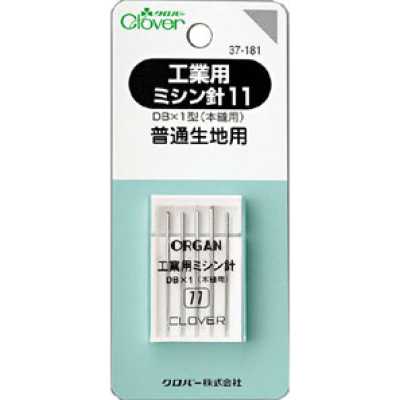
A machine needle is used attached to a sewing machine, and its shank and eye position, as well as the way the thread moves, differ from those of a hand sewing needle. Use a sewing needle for hand sewing and choose according to the application.
Frequently Asked Questions
What should I do if the needle holes are noticeable when hand-sewing thin fabric?
The needle may be too thick for the fabric. Consider a thinner needle and a finer sewing thread that blends with the textile, and do not make the stitches too tight. Before actual production, test-stitch with the same fabric and check for needle holes or puckering.
Can a sewing needle and a machine needle be used interchangeably?
As a rule, no. A machine needle is shaped to match the mechanism of the sewing machine, and its structure differs from that of a sewing needle intended to be handled by hand. For hand sewing, use a sewing needle; for machine sewing, choose a machine needle that matches the textile and thread.