Hand-sewing Thread
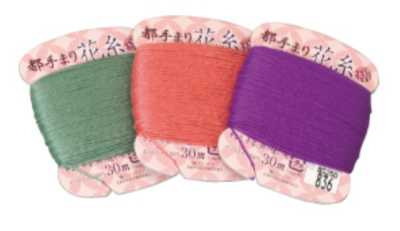
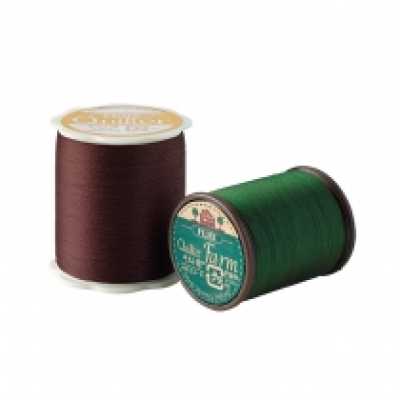
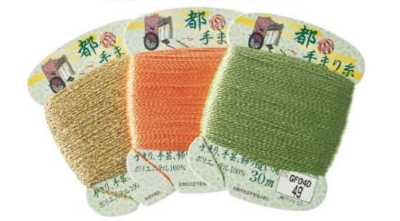
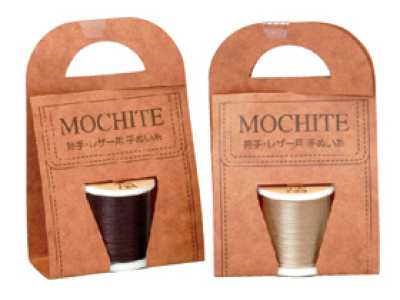
Hand-sewing thread is a sewing thread designed for ease of handling in hand stitching with a needle, with strength, smoothness, and low fuzzing adjusted to suit the application.

Contents6 sections
Definition and Overview
Hand-sewing thread is thread used for manual work such as repairs, button attachment, hemming, basting, and decorative stitching. It is required to be less prone to tangling when pulled by hand, easy to pass through the needle eye, and able to blend smoothly into the stitches. Its strength, thickness, and surface finish vary according to the application.
Compared with sewing thread, which is primarily intended for machine sewing, some products are designed with hand-sewing motion and friction against the needle in mind. However, the name hand-sewing thread alone does not determine the material, thickness, or application, so the specified product details must be checked.
Materials, Twist, and Structure
Materials include cotton, polyester, and silk. Cotton blends well with natural textiles, and silk is used for delicate sewing that makes use of its luster and suppleness. Polyester may be chosen for repair and sewing where strength and durability are required.
Many hand-sewing threads have a structure made by twisting multiple single yarns together. The twist affects the thread’s strength, roundness, surface slip, and tendency to twist. If the twist is insufficient, the thread is more likely to fray; if it is too strong, the thread may twist while sewing or the stitches may appear stiff.
How Thickness Is Indicated
Thread thickness is shown by count, nominal count, size number, and similar indications, but the relationship between the notation and actual thickness varies depending on the material, manufacturer, and thread structure. In general, with count-based notation, a larger number often indicates a thinner thread, but different notation systems cannot be compared simply by number alone.
When selecting thread, in addition to the count or nominal count, confirm the actual appearance of the thread, how easily it passes through the needle eye, and how it sits in the textile. Even with the same color name, changes in thickness alter the color appearance and the visibility of the stitches, so before mass production it is important to make sewing samples on the target textile.
Main Applications and Selection
Hand-sewing thread is used for fixing frayed areas, temporarily securing seam allowances, hemming, and attaching snaps or buttons. For areas where it should not be visible from the front, choose a color and thickness close to the textile; for areas that require reinforcement or decorative appeal, choose strength and thickness suited to the application.
Select it by checking the textile material, thickness, weave or knit density, the force applied to the stitches, and the washing method. Using thick thread on thin textiles makes needle holes and seam puckering more noticeable, while using thread that is too thin on thick textiles or high-stress areas may cause thread breakage or cutting into the material.
- Choose a sewing needle with an eye that allows the thread to pass without strain and a thickness that does not make the holes in the textile overly noticeable.
- For button attachment, a thicker and stronger button sewing thread than ordinary hand-sewing thread may be more suitable.
- For basting, use basting thread that is easy to remove and less likely to damage the textile.
Differences from Similar Terms
Hand-sewing thread is a general term close to thread for sewing by hand. Sewing thread is thread suitable for sewing on a high-speed machine and can also be used for hand sewing, but it is not necessarily a product designed primarily for hand-sewing operability. Distinguish them by the sewing method and the required strength.
Button sewing thread is a thicker thread that emphasizes the strength needed to secure a button. Buttonhole twist refers to thread with thickness and luster used for buttonhole stitching and similar purposes. Basting thread is used for temporary sewing and marking, and its purpose differs from hand-sewing thread left in the finished stitch.
Frequently Asked Questions
Can hand-sewing thread be used in a sewing machine?
It may be possible in some cases, but hand-sewing thread is not necessarily intended for high-speed machine sewing. Depending on the thickness, twist, and surface finish of the thread, thread tension may become unstable or thread breakage may occur. For machine sewing, in principle choose sewing thread specified for that use and confirm with a test stitch.
Should the color of hand-sewing thread be exactly the same as the textile?
For stitches that should not stand out, it is basic to choose a color close to the base color of the textile. However, the way the thread appears changes depending on luster, brushed surface, and weave density. If in doubt, compare several close colors and check them in natural light and at the distance expected during wear. For specifications in which the stitching is meant to be visible, the color may be intentionally changed.