Tailor's Chalk
Tailor's chalk is a solid, chalk-like marking tool used to temporarily mark cutting lines and sewing positions on textile.
Contents6 sections
Definition and Overview
Chalk is a marking tool used to temporarily mark cutting lines, seam allowances, darts, pocket positions, button positions, and similar points on textile. It is generally thin and plate-shaped, and its corners and edges are used to draw fine lines. It is used as a marker in the sewing process and is intended to be removed before completion.
Marks vary in how they are made and removed depending on the color, fibers, surface finish, pile, and moisture of the textile. Before mass production or before marking the main fabric, it is important to check visibility, erasability, and whether it bleeds on offcuts of the same fabric.
How to Use
Lay the textile flat, secure the pattern so it does not move, and then draw lines lightly where needed. Pressing too hard makes the line thicker and may damage the textile surface or let powder penetrate deep into the fibers, so make marks with the minimum necessary pressure.
Use a ruler for straight lines, and do not mark points such as dart tips or match points larger than necessary. If you do not want marks left on the right side, decide the position with the process and final appearance in mind, such as marking on the seam allowance side or marking from the wrong side of the textile.
- Before cutting, check on an offcut that the mark can be removed and will not transfer color.
- Do not confuse the side and part to be marked, such as the outer fabric and lining, or the left and right body panels.
- After sewing, also check during inspection that no marks remain.
Types and How to Choose
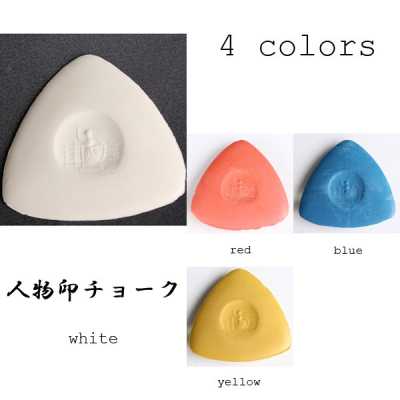
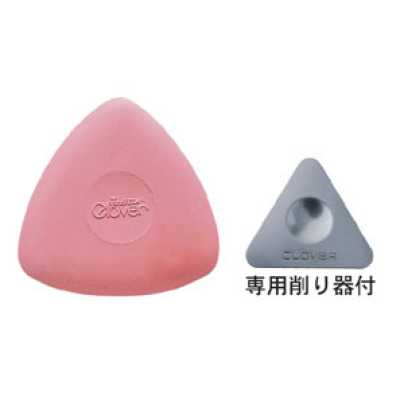
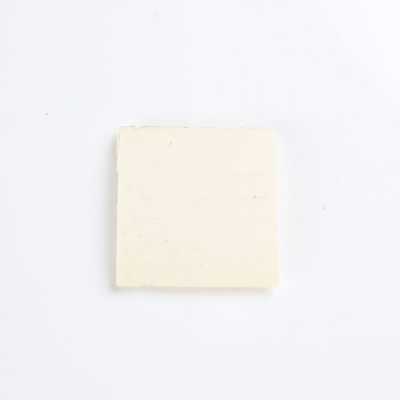
Chalk comes in shapes such as triangular and square types. Sharp corners make it easier to draw fine lines, while using an edge allows relatively wider lines to be made. Colors include white, yellow, blue, and red tones, and selection should be based not only on contrast with the fabric color but also on whether the mark can be removed after work.
Fine, light marks are suitable for smooth, thin fabrics, while marks may be hard to see on brushed materials or textured materials. Even on dark fabrics, white marks may remain, so caution is needed. For materials that cannot be washed, light-colored materials, or fabrics with special finishes, conduct a preliminary test on an inconspicuous area.
- When you prioritize fine lines: choose a shape that is easy to use with the corners.
- Dark fabrics: check not only visibility but also whether white residue remains after removal.
- Delicate fabrics: check for pressure marks and powder residue.
- Long straight lines: use with a ruler and keep the line width consistent.
Care and Safety Precautions
If the corners of the chalk become rounded or chipped, the mark becomes thicker and accuracy decreases. After use, lightly remove any powder and store it in a case or similar container so it does not soil other tools or textiles. Because it breaks easily, it is also important to avoid dropping it or applying strong pressure.
Methods for removing marks vary by material and product. Gently brushing them off with a dry cloth or brush is basic, but rubbing too hard can cause fuzzing and uneven color. Because moisture or heat may set the mark, do not iron or wash without first confirming the removal method.
Differences from Similar Terms
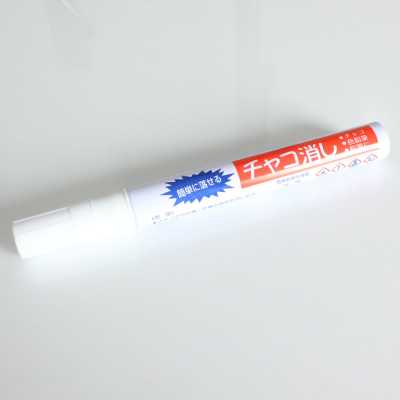
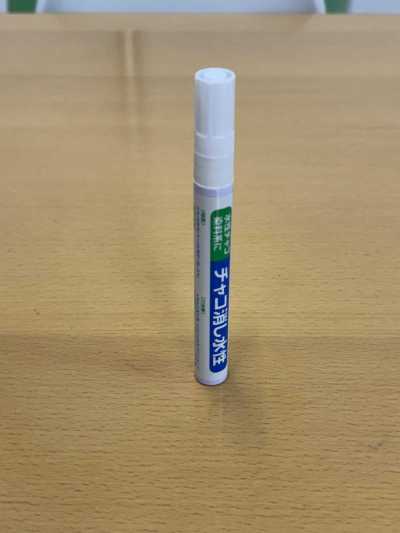
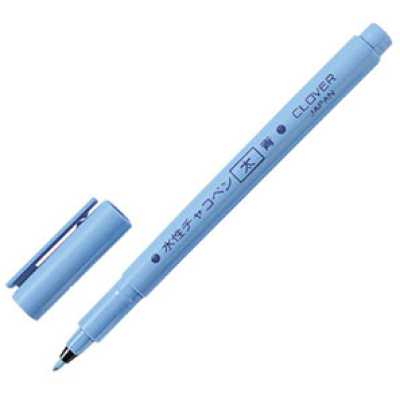
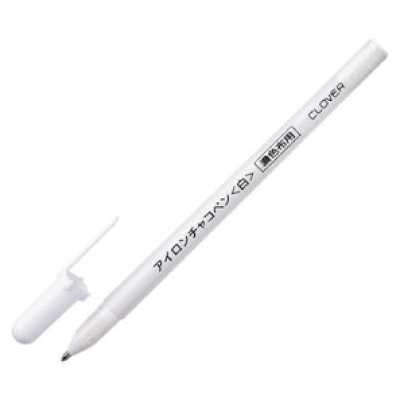
Chalk pens often refer to marking tools that apply an ink-like line from a pen tip, and they differ from solid chalk in shape and how they mark. While they are good for drawing fine lines and curves, the way the ink disappears or remains depends on compatibility with the fabric, so advance testing is necessary just as with chalk.
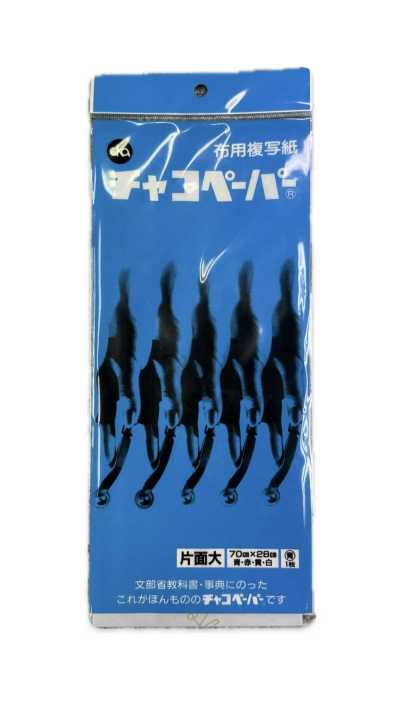
A tracing wheel is a tool that transfers pattern lines or marks by rolling a toothed wheel. It is not for drawing clear lines directly on fabric by itself and is generally used together with tracing paper or similar materials. Chalk is used to draw lines directly on the fabric, whereas a tracing wheel is suited to transferring marks from a pattern.
Frequently Asked Questions
What should I do if the chalk mark does not come off?
First, try the recommended removal method on an offcut of the same fabric. If the mark does not come off even after lightly brushing it with a dry cloth or soft brush, adding water or heat on your own judgment may cause the mark to set or leave a ring stain. Check the fabric care label and the characteristics of the finish, and test on an inconspicuous area before treating it.
What color chalk should I choose for dark fabrics?
In general, a light color with high contrast against the fabric is easier to see, but you cannot decide based on visibility alone. White marks may remain visible on dark fabrics. Mark an offcut of the actual fabric to be used, and choose after confirming both workability and removability.