Fuzz
Fuzz is the condition where the tips of short fibers protrude from the surface of yarn or textile; the amount varies depending on the material, spinning, twist, and processing, and it affects hand feel, appearance, and changes under friction.
Contents5 sections
Definition and Overview
Fuzz refers to a state in which some of the short fibers that make up spun yarn protrude from the yarn surface, or to fine fibers that appear on the fabric surface. It is especially common in spun yarns made from cotton, wool, and similar materials, but its degree varies not only by material but also by yarn manufacturing method, twist, fabric structure, and finishing.
Fuzz is not necessarily a defect. While it can create softness and a natural look, unintended increases in fuzz may lead to a dull appearance, whitening, or pilling. In planning, it is important to evaluate the desired hand feel separately from the product’s usage conditions.
Impact on Hand Feel and Appearance
Fabrics with fuzz tend to have a soft, airy touch and a warm appearance. Because light scatters across the surface, the color may look more subdued. In contrast, fabrics with less fuzz tend to have clearer outlines and more easily express smoothness and a clean look.
When exposed to friction, fuzz can tangle and progress into pills. However, fuzz and pilling are not the same. Fuzz refers to the state of fibers protruding from the surface, while pilling refers to the pills formed when those fibers become entangled.
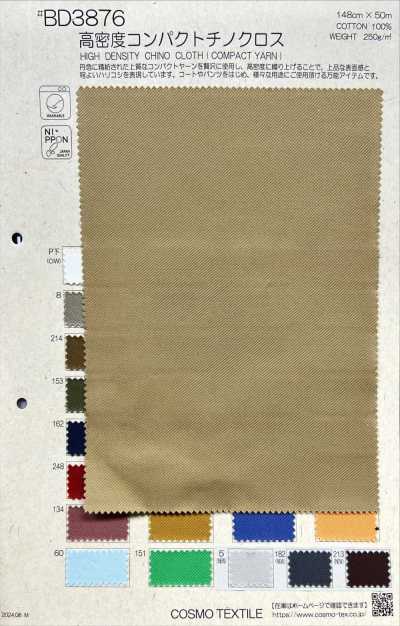
- Methods for reducing fuzz include singeing, gas singeing, and the use of compact yarn.
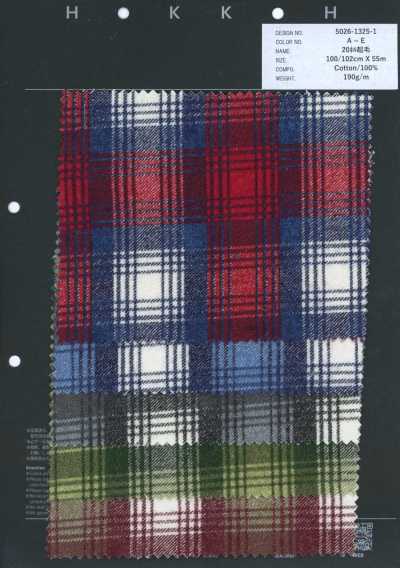
- Brushing is a finishing process that intentionally raises fuzz by pulling out fibers from the fabric surface.
- Pile refers to relatively long surface fibers formed on pile fabrics or brushed surfaces, and is treated separately from ordinary fuzz.
Main Applications and Seasonality
Fabrics that make use of fuzz are used in autumn and winter apparel that seeks softness and warmth, such as flannel, brushed-back fabric, and fleece. In casual cut-and-sew items, sweatshirts, shirts, and outerwear, some fuzz may be left to show the texture of the material.
On the other hand, in shirt fabrics, blouse fabrics, sports applications, uniforms, and similar items, yarns and fabrics with less fuzz may be chosen in pursuit of a smooth, cool-looking appearance and less visible soiling. Depending on the application, it is important to check not only the initial hand feel but also surface changes after wear.
Selection and Handling Notes
When selecting a fabric, do not judge the amount of fuzz by the swatch alone; also check the appearance after friction and after washing. On dark colors, rubbing may cause a whitish look, while on light colors, dirt adhering to fuzz may be a concern. If evaluation results such as pilling tests are available, check them against the intended application.
For washing, turning the item inside out, using a laundry net, and reducing excessive friction can help minimize surface changes. Shrinkage is not determined by fuzz alone; it is affected by fiber type, structure, finishing, and whether shrink-resistant processing has been applied, so confirm the shrinkage rate and care label instructions in advance.
During sewing, the surface fuzz may be pressed down, changing the appearance around the seams. In processes such as pressing seam allowances open or using a hot iron, use a pressing cloth and appropriate temperature and pressure to prevent crushing of the surface and shine.
Frequently Asked Questions
What is the difference between fuzz and brushing?
Fuzz is the condition of short fibers appearing on the surface of yarn or fabric. Brushing refers to a finishing process that intentionally pulls out fibers from the fabric surface with brushes or similar tools to create a fuzzy surface. Fuzz may arise naturally from the material or manufacturing process, while brushing is distinguished as a process done to achieve a surface effect.
Does fabric with little fuzz not pill?
Fabric with little fuzz tends to make it easier to suppress entanglement of surface fibers, but that does not mean it will not pill. The occurrence of pilling is also influenced by fiber strength, yarn structure, fabric structure, friction during wear, washing conditions, and more. It is necessary to check the surface condition after friction according to the intended application.