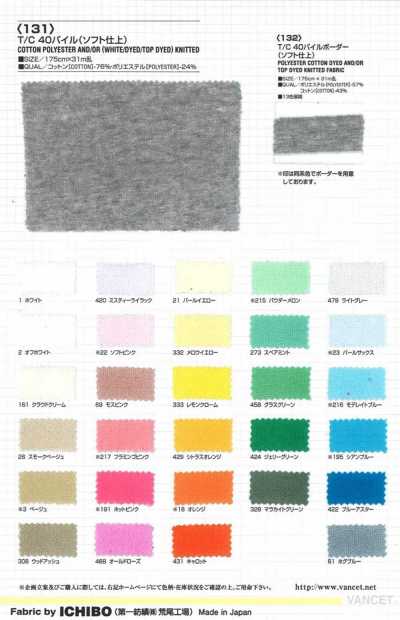
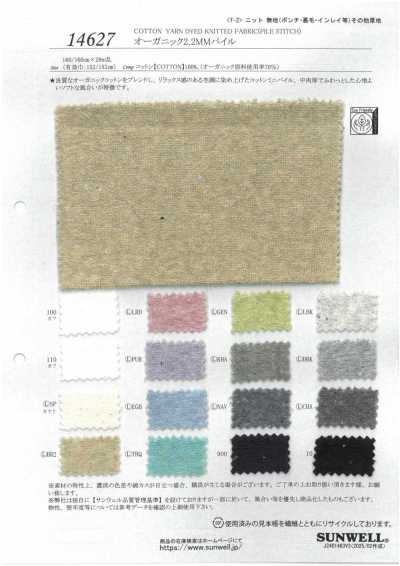
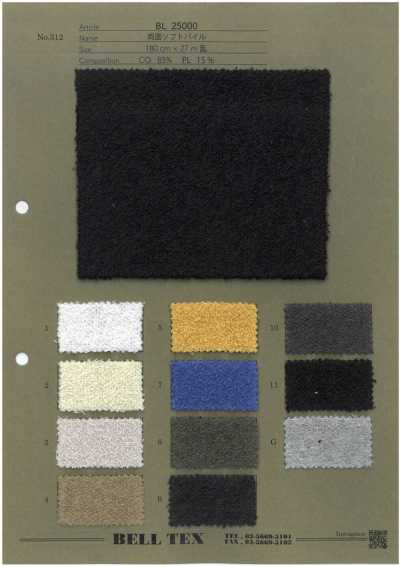
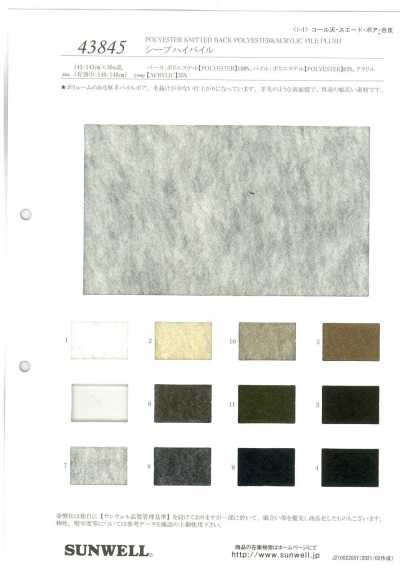
Pile
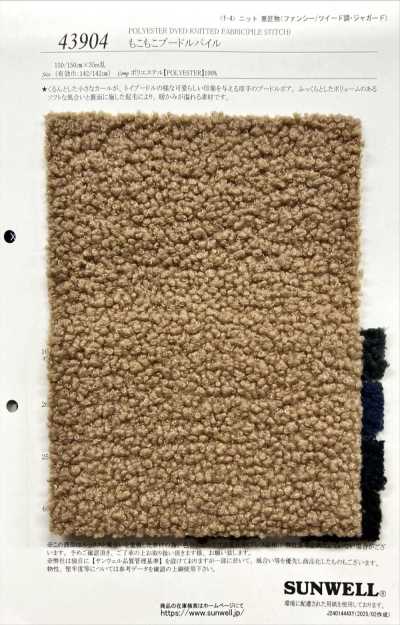
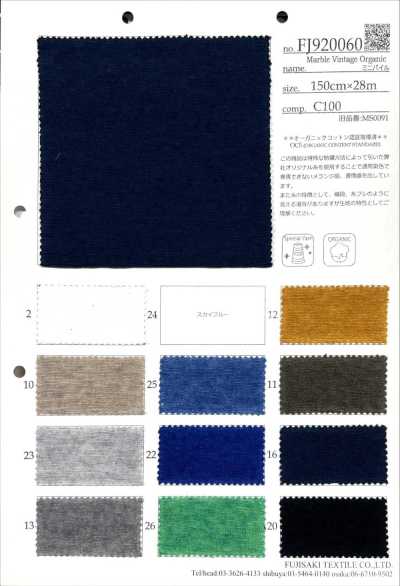
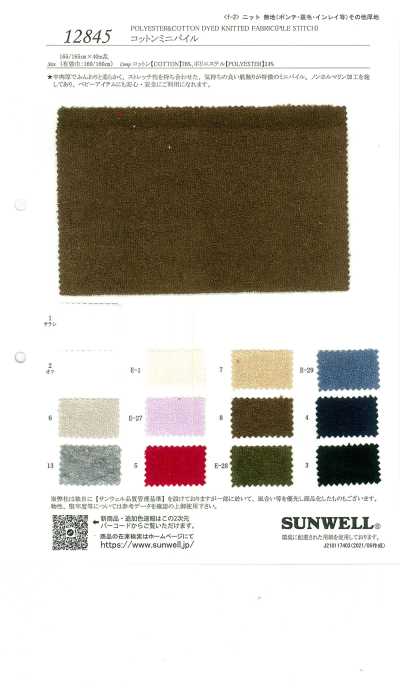
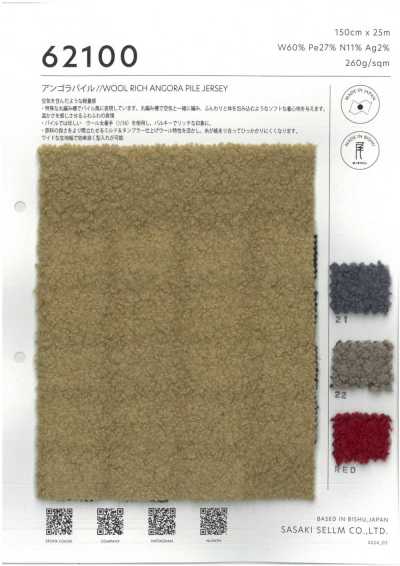
Pile is a general term for textiles in which threads are formed into loops or raised as nap on the surface of the fabric, giving it a soft feel, absorbency, warmth, and other properties.
Contents6 sections
Definition and Overview
Pile is a textile in which yarns are formed into loops or raised as nap from the ground structure (the base part of the textile). It is a term for a structure and surface texture used not only in woven fabrics but also in knits, and it does not refer to a specific fiber name.
The type in which the loops remain is called loop pile, and the type in which the loops are cut is called cut pile. In woven fabrics, there is a method of creating pile with a separate warp yarn, while in knits, loops are formed through the stitches.
- Loop pile: A structure in which loops remain on the surface, making it easy to take advantage of absorbency like a towel.
- Cut pile: A surface with nap that feels smooth and has a sheen.
Features
Because it easily traps air on the surface, it generally has bulk, softness, and warmth retention. Thickness, resilience, absorbency, and appearance vary greatly depending on the loop size and density, yarn thickness, material, and ground structure.
Cut pile may appear to differ in color and sheen depending on the direction of the nap. Loop pile may snag and cause yarn to pull out, so it is important to check the pile density and strength according to the usage environment.
Main Applications
Loop pile, which takes advantage of absorbency, is used for towel fabrics, bathrobes, baby products, and loungewear. Knit pile is also used in cut-and-sew items, sweatwear, and some sports applications.
Cut pile, which makes use of its nap and sheen, is used for dresses, jackets, highly decorative costumes, and interior applications. Depending on the material and fabric weight, there are lightweight types for spring and summer as well as types designed with warmth retention in mind for autumn and winter.
Selection and Handling Precautions
Depending on the application, check whether it is loop or cut pile, the pile length, density, stability of the ground structure, and blended materials. For absorbent applications, check the loop loft and absorbency; for apparel, checking thickness, stretch, nap, and how the seams appear after sewing makes it easier to choose.
Before cutting, align the nap direction and grainline. For cut pile, if the nap direction is reversed from piece to piece, it may appear as if there is a color difference, so it is basic to lay out all pieces in the same direction. During sewing, be careful not to sew the pile into the seam, and if necessary, neaten the nap in the seam allowance.
Follow the care instructions on the material label. Loop pile is prone to snagging on hook and loop, decorative hardware, and rough surfaces, so using a laundry net and separating it from other garments is effective. The degree of pile shedding, lint loss, and shrinkage varies depending on the material and finishing, so perform wash tests before mass production.
Differences from Similar Terms
Velvet generally refers to a woven fabric with a short, dense cut pile. Pile is a broader term for fabric structures with loops or nap on the surface, including velvet.
Corduroy is also a woven fabric with ridged cut pile, and can be regarded as a type of pile. On the other hand, brushing is a finishing process that raises nap by scraping out fibers from the surface of an existing textile, and its formation method differs from pile, which incorporates yarn into the structure as loops or pile.
Frequently Asked Questions
Is pile fabric the same as towel fabric?
Towel fabric is a typical pile fabric with loop pile on the surface. However, pile also includes cut pile with the nap cut, as well as items made by different methods such as woven fabrics and knits. Therefore, not all pile fabrics are towel fabrics.
What should be noted when cutting and sewing pile fabric?
If the nap direction of cut pile is not unified across all pieces, the color may appear different due to the reflection of light. Loop pile is easy to snag at cut edges and during sewing, so handle it carefully and check whether the nap has been caught in the seam.