Face Side In / Face Side Out
Face Side In / Face Side Out indicates the rolling direction used when rolling textile into a roll, with the face side on the inside or outside, and is a trade notation used to confirm the front and back during inspection, cutting, and delivery.
Contents6 sections
Definition and Overview
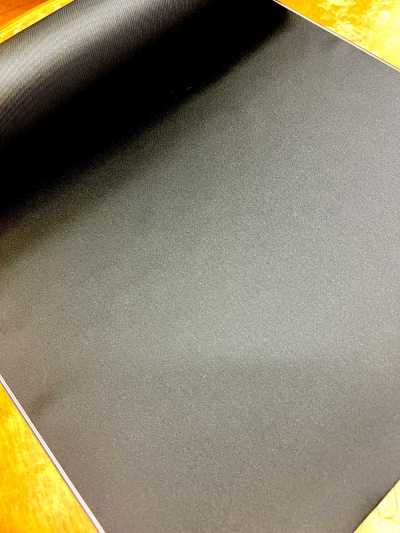
Face side in means a method of rolling textile with the face side on the inside, and face side out means a method of rolling textile with the face side on the outside. These terms do not describe the structure, material, width, or fabric weight of the textile; they indicate the rolled appearance of the roll and the position of the face and back sides.
For printed textile, brushed textile, textile with a difference in luster, and one-sided processed textile, where the front and back are clear, rolling direction is especially important. On the other hand, for textile that can be used on both sides or textile with little difference between front and back, the definition of the face side itself must be confirmed separately.
Use in Trade
Face side in and face side out are used as the "rolling direction" in specifications and product information when ordering, shipping, and receiving textile. Based on the side visible from the outside of the roll, this information helps inspection staff and cutting staff identify the front and back sides.
When supplying textile to a sewing factory, specify not only the rolling direction but also the usable side, selvedge position, pattern direction, and nap direction in the specification sheet. If the front and back are mistaken during cutting, it can cause mismatched color tone, luster, brushed direction, and print appearance.
- Indicate the rolling direction on purchase orders and specification sheets.
- Check the appearance of the roll on arrival against the actual goods.
- Confirm the front and back sides and defect positions during inspection.
- Indicate the usable side and direction during spreading and cutting.
Points to Check and How to Read the Numbers
Rolling direction is a specification separate from the length and width of the roll. In product information, it is often written together with "width x length" as either "face side in" or "face side out," and the length may be random, meaning it is not fixed for each roll. The roll length cannot be inferred from the rolling direction.
When receiving goods, do not judge the front and back sides only from the side visible on the outside; check the roll end, selvedge, tag, and specification sheet together. If it is difficult to determine the front and back sides, mark the roll end and record the inspected usable side before sending it for spreading to reduce mistakes.
- Check textile width, roll length, fabric weight, and rolling direction as separate items.
- For random rolls, confirm the actual measured length for each roll.
- Mark the front and back sides, direction, and nap direction on the roll end as needed.
- When using multiple rolls, confirm whether all will use the same side.
Points to Prevent Misunderstandings
"Deliver face side in" and "use the face side" do not mean the same thing. Face side in is a specification for how the roll is wound, while which side is used for the product face is a separate specification. Especially for double-faced materials, share the usable side clearly with the color name, photos, and swatch.
The terms face side in and face side out, and the criteria for judging the front and back sides, may be used differently depending on the trading partner. When placing an order, it is important to confirm not only the desired rolling direction but also the definition of the face side, the inspection reference side, and the side to be placed on top during cutting, and to keep this in writing.
Differences from Similar Terms
Round roll and half fold refer to packaging or winding styles: whether the roll is wound into a tube shape or folded in the width direction before winding. By contrast, face side in and face side out indicate which side is on the inside or outside. These may be listed together as separate pieces of information.
Roll refers to fabric in roll form after weaving or knitting, and face side in and face side out describe how that roll is wound. Random roll is a trade expression indicating that the roll length is not fixed, and it is different from front/back or rolling direction.
Frequently Asked Questions
Should I specify face side in or face side out?
Specify it based on the trading partner's practice, using the side that makes inspection, spreading, and cutting easier to check. However, rolling direction alone cannot specify which side will be used for the product. For textile where the usable side, pattern direction, and nap direction are important, make this clear in the specification sheet and on the actual sample as well.
If textile arrives as face side out, should the outside side be used as the product face?
Not necessarily. Face side out means the face side is on the outside of the roll, but which side is used for the product is a separate specification. For double-sided textile and one-sided processed textile, confirm the usable side with the swatch and specification sheet before placing the order.
Do face side in and face side out affect quality or textile price?
Face side in and face side out themselves do not indicate textile quality or material grade. They are rolling direction information related to protection of the face side and ease of work during inspection and cutting. Specifications such as roll length, textile width, fabric weight, and whether the roll is random must be checked separately.