


Glen Check
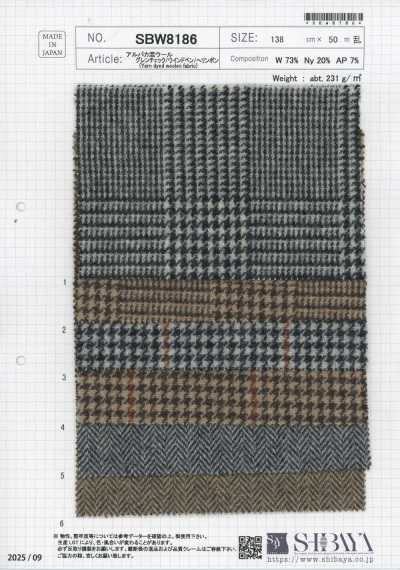
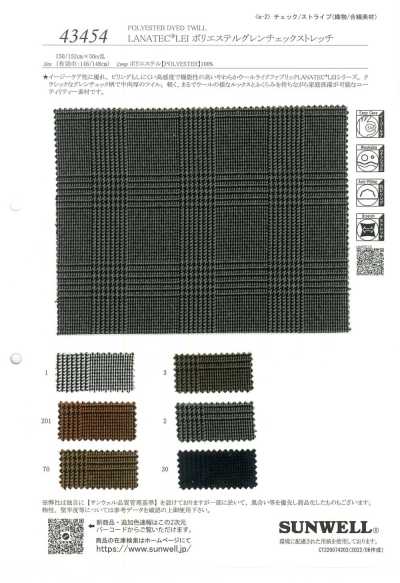
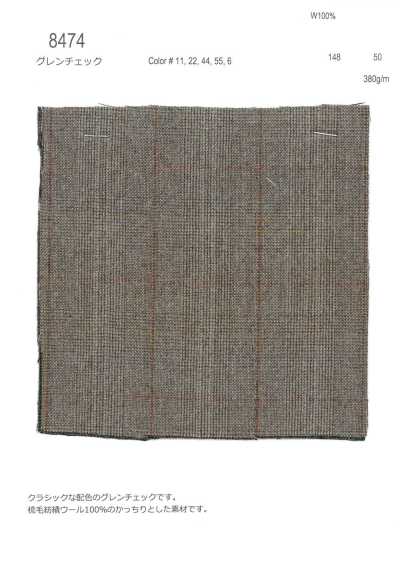
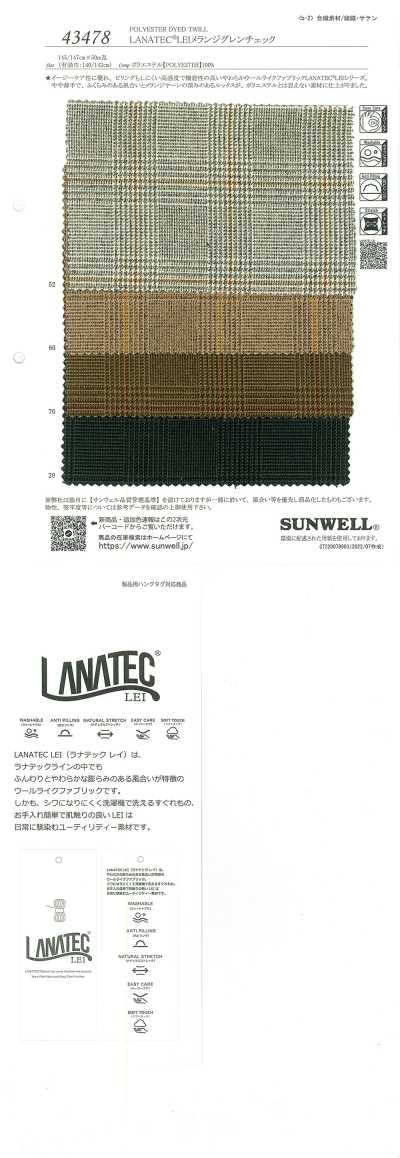
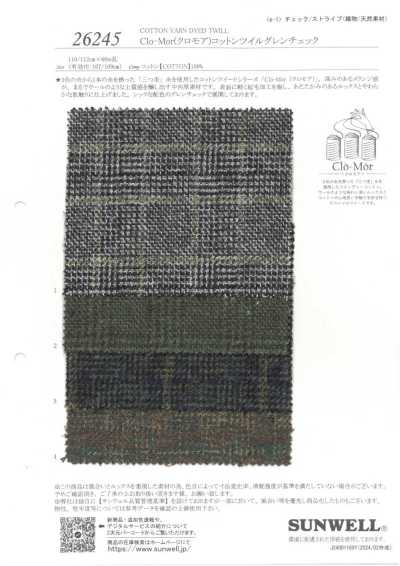
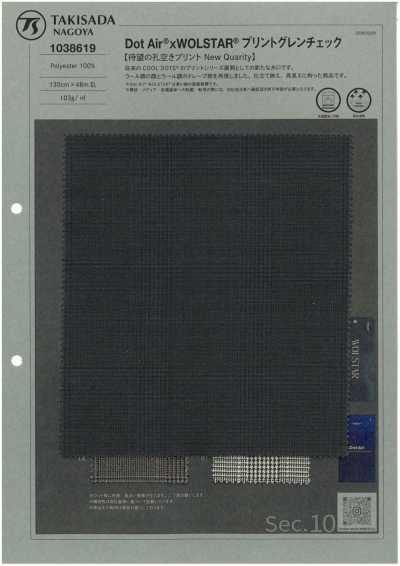
Glen check is a traditional check pattern often seen in yarn-dyed woven fabrics, in which small checks are combined to form a larger check.
![69586-61 26AW HERDREX [THE MILL CLASSICS] Mill Classics Glen Check Gray](/img/item/thumb/YX/1110831_t2.jpg)
Contents6 sections
Definition and Overview
Glen check is a pattern that combines small motifs and stripes, such as tiny houndstooth, to create a complex, regular check. It is generally expressed in weaving using yarn-dyed yarns, and the impression changes depending on the colors and the size of the pattern.
It is a pattern name, not a term that specifies a weave structure or fiber type. It is made in a wide range of materials, including various structures such as plain weave and twill, as well as wool, cotton, and polyester.
Features
Because the small motifs overlap, it has more character than solid fabrics, while still being easy to give a relatively calm impression. In color combinations such as white, black, and gray, it creates a neat and classic look, and depending on the colors, it can also add lightness or elegance.
The size of the checks, color contrast, ground structure, and whether it is brushed all greatly affect how the pattern appears and the impression from a distance. Fine patterns tend to look subdued, while large checks and clear color combinations make the pattern stand out.
Main Applications
It is used for items that call for a polished impression, such as jackets, suits, pants, skirts, and dresses. In wool and brushed materials, it is often used for autumn and winter coats, jackets, and bottoms, while in cotton, linen, polyester, and similar materials, it is also used for shirts and lightweight clothing.
In uniforms and workwear, it may be used as a pattern that adds design variation while keeping the easy-to-handle qualities of a solid fabric. Checking the thickness and stretch of the material can expand the range of applications.
How to Choose and Handling Notes
Depending on the application, check the pattern size, color combination, material, thickness, fabric weight, and stretch. For jackets and pants, it is easier to choose if you check tailoring appearance and durability, and for shirts and dresses, if you check hand feel, sheerness, and drape.
During cutting, matching the pattern so the check lines align on the front body, collar, pockets, side seams, and similar parts is important. Because larger patterns may require more yardage, check the pattern and how it will appear at the planning stage.
Washing and ironing methods should follow the material and processing. In particular, wool blends and brushed materials require care regarding shrinkage, pilling, and surface changes. Yarn-dyed products may also have light and dark color combinations, so check the care label and colorfastness.
- Check the left-right appearance based on the center of the pattern and the check lines.
- Pockets and flaps change appearance depending on whether they are pattern-matched with the body.
- If the cutting direction shifts, the checks can look slanted, so follow the grain line accurately.
Differences from Similar Terms
Houndstooth refers to a small continuous pattern that looks like birds in flight. Houndstooth may be used as a component of glen check, but glen check as a whole differs in that it is made up of multiple fine patterns and checks.
Gingham is generally a relatively simple check pattern in which same-sized color blocks cross regularly. Glen check is more complex in composition, and is characterized by fine checks and larger checks appearing layered together.
Frequently Asked Questions
Is glen check used only in autumn and winter?
Wool and brushed glen check are often used in autumn and winter, but the pattern itself is not limited to any season. If you choose light materials such as cotton, linen, or polyester, it can also be used for spring and summer items such as shirts, blouses, and dresses. Seasonality is judged by the thickness, sheerness, and hand feel of the material.
What should you be especially careful about when cutting glen check?
Because slanting checks and left-right differences are easy to notice, make sure the grain line is correct and check the pattern placement on the front body, collar, pockets, and similar parts. Large patterns may require more yardage for pattern matching. Before mass production, it is important to confirm that the checks connect naturally after sewing.
![1AGA36-13 [Limited Stock Item] Nikke Textile Fabric Super 100's Ikat Tropical Glen Check](/img/item/thumb/YX/1109899_t2.jpg)





