Flocking
Flocking is a surface finishing process in which short fibers are applied to the surface of textile or products coated with adhesive to create a velvety, three-dimensional texture or pattern.
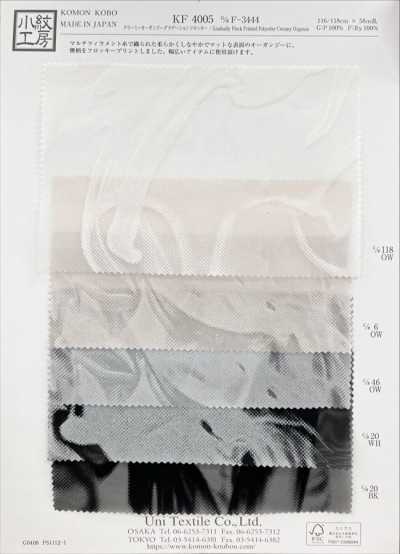
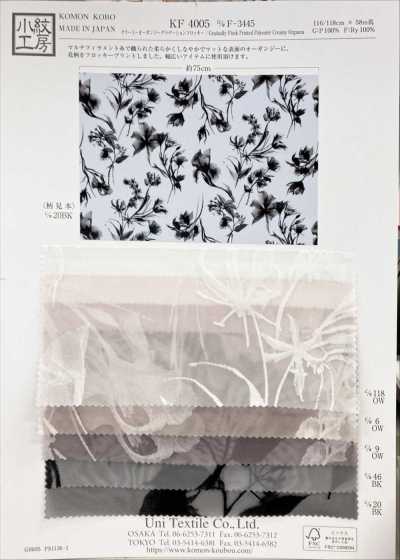
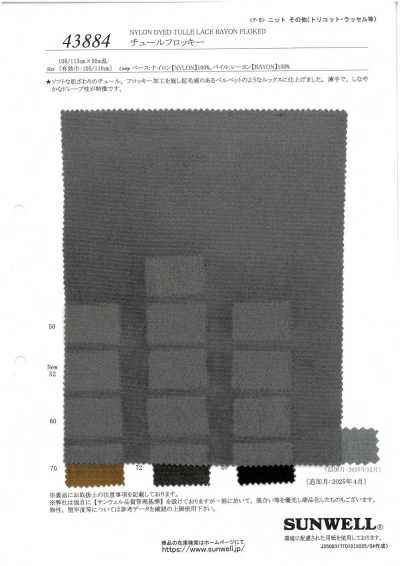
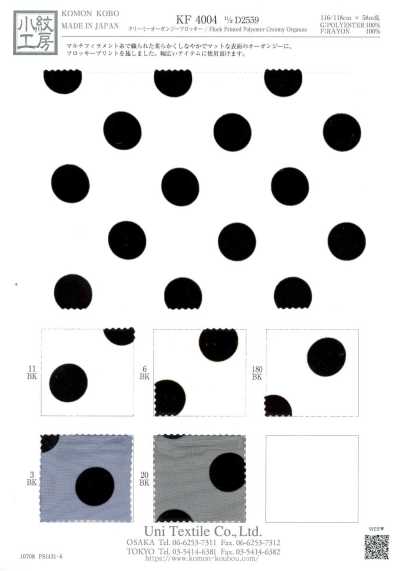
Contents6 sections
Definition and Overview
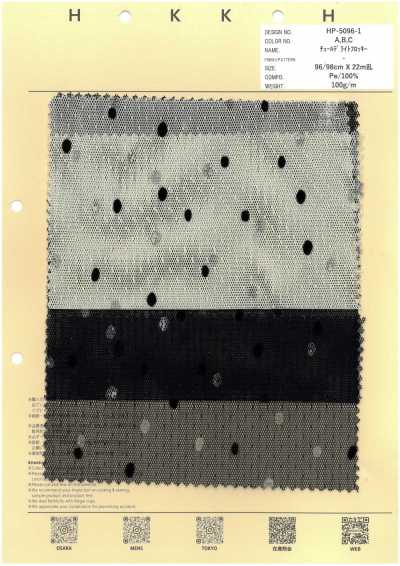
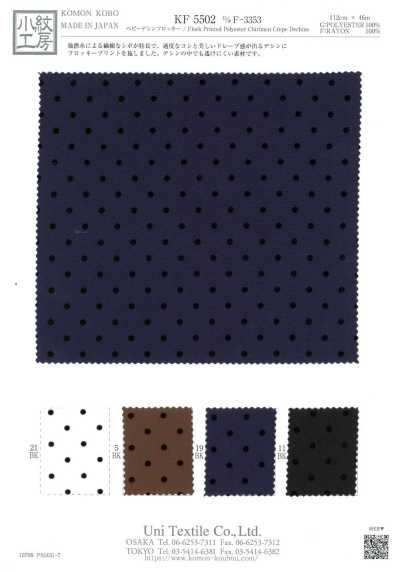
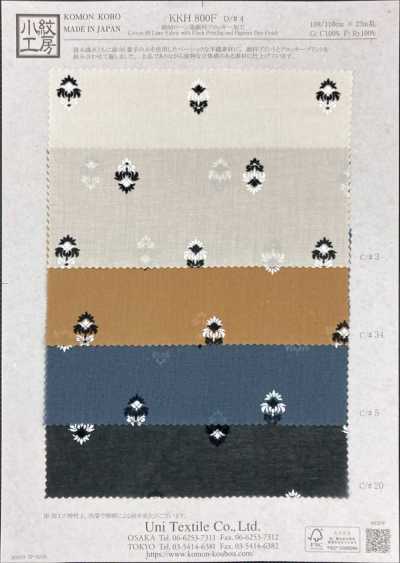
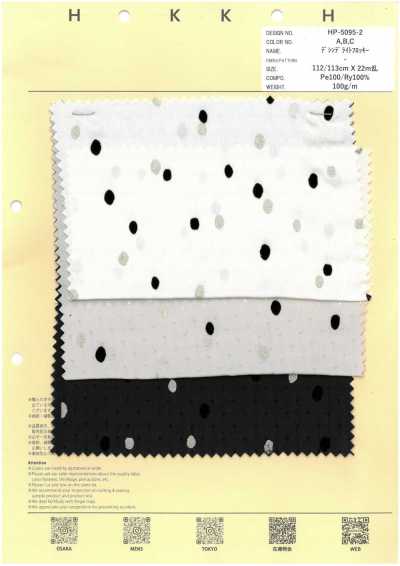
Flocking is a finishing process that uses adhesive to attach short fibers to the surface of a material. There is also a method of making the fibers stand up with static electricity as they are attached, creating a dense appearance with relatively even fuzz. It can be applied over the entire surface, or only to the necessary areas such as logos, letters, and patterns.
Unlike pile and velvet, which are made by weaving or knitting a base fabric to create fuzz, flocking is characterized by adding short fibers to the surface of the fabric afterward. Also, while ordinary printing mainly expresses flat colors and patterns, flocking expresses brushed-looking patterns with a tactile feel.
Texture and Function
The surface develops a soft, slightly moist velour-like touch. The appearance of light and shade changes depending on how the light hits it and the direction of the pile, creating a matte, raised design. Because the finished area becomes thicker than the base fabric, it is suited to designs that emphasize the outline and feel of the pattern.
The texture, resistance to friction, and ability to follow stretch vary depending on the type of flock fibers, pile height, adhesive, and combination with the base fabric. Since the finished area may differ from the base fabric in breathability and stretch, when applied over a wide area, the firmness and stuffiness during wear should be checked with an actual sample.
Main Applications
Partial finishing is used for logos and graphics on T-shirts, sweatshirts, cut-and-sew items, motifs on children's clothing, stage costumes, and more. Because it adds a brushed feel that is difficult to achieve with flat printing, it works well for lettering and patterns with clear outlines.
Materials with all-over flocking are used for dresses, skirts, jackets, and interior applications when a deep look or seasonal feeling is desired. While it is easy to create an autumn/winter impression, if the pile height and base fabric are made light, it can also be used for decorative spring/summer clothing.
Selection and Handling Precautions
When selecting, check the pile direction of the finished area, the clarity of the pattern outline, and adhesion to the base fabric. In particular, with stretch fabrics, test whether the finished surface cracks or turns whitish during wear or when pulled. Depending on the combination of base fabric composition and adhesive, suitability for washing, dry cleaning, and ironing will differ.
Shrinkage is mainly affected by the properties of the base fabric, but shrinkage of the base fabric during washing may place stress on the finished area. Before mass production, carry out washing tests on the finished fabric and check for shrinkage, fiber loss, discoloration or hardening of the adhesive, and pattern distortion. Washing instructions are determined based on the processor's specifications and test results.
In sewing, attention is needed for uneven feed, misalignment of stitching, and press marks caused by the thickness of the finished area. Since specifications in which the finishing overlaps seam allowances or turned edges tend to become thicker, consider designs that avoid the finished area or an process in which finishing is done after sewing. Ironing may flatten the pile, so use a pressing cloth and check in advance on an inconspicuous area.
- On areas subject to heavy friction, check whether fiber loss or glossing is noticeable.
- For dark-colored finishes, check whether color transfer or whitening occurs due to friction.
- During storage, avoid strong overlap between finished surfaces and prevent the pile from being compressed.
Differences from Similar Terms
Brushing is a process that raises fuzz by brushing out the fibers of the fabric itself. Flocking differs in that it attaches separate short fibers to create the surface, making it easier to give only the finished parts a raised appearance.
Velvet and velour are materials in which pile is formed through woven or knitted structures. Flocking is not the name of a material structure, but the name of a surface finishing process applied to an existing base fabric or product. Pigment printing and rubber printing are also processes for placing patterns on a surface, but flocking has the unique tactile feel of brushed fibers.
Frequently Asked Questions
Can flocking be washed at home?
Whether home washing is possible depends on the base fabric, flock fibers, adhesive, and processing conditions. Even for washable specifications, it is generally recommended to turn the item inside out, use a laundry net, and avoid strong friction on the finished surface. In the end, follow the product's washing instructions, and in mass production, check for fiber loss and changes in the pattern after washing.
What is the difference between flocking and velour?
Velour is a material whose surface fuzz is created by cutting or brushing the pile of a knitted fabric, and generally has pile over the entire fabric. Flocking is a post-process that attaches short fibers with adhesive, and the major difference is that it can be applied as letters or patterns to part of the base fabric.