Hemp
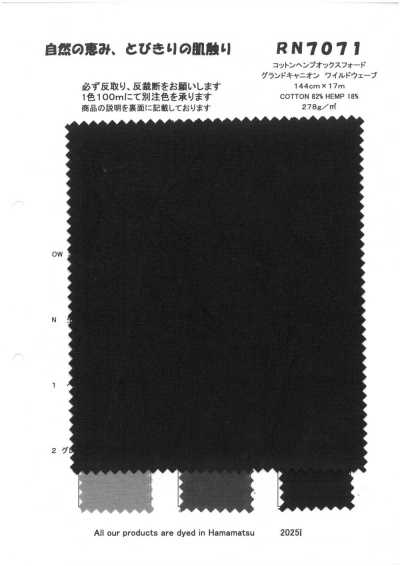
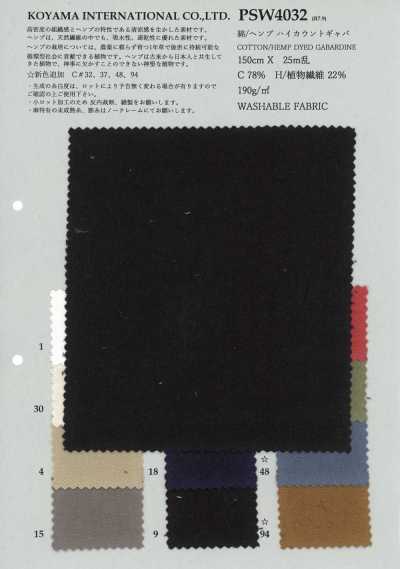
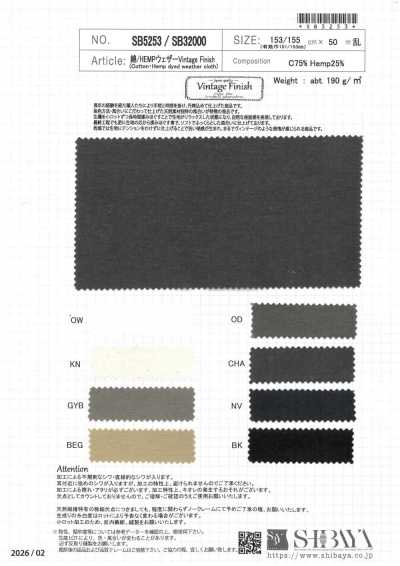
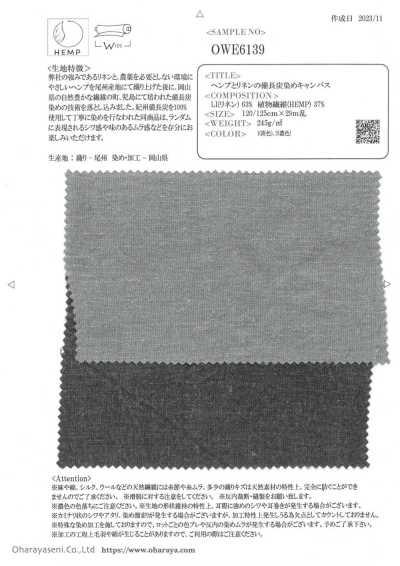
Hemp is a material made from bast fibers obtained from the stems of cannabis, an annual plant in the hemp family, and is used for apparel and miscellaneous goods, making use of its crisp texture, natural slub-like character, and breathability.

Contents6 sections
Definition and Overview
Hemp is a plant fiber collected from the bast near the epidermis of the stem of a plant in the hemp family. Hemp as a fiber is generally handled separately from materials intended for ingredients used in recreational products or pharmaceuticals, and for apparel it is used as yarn or fabric.
“Linen” is sometimes used as a general term for plant fibers, and in labeling and trade it may also refer to materials other than hemp. To accurately identify the material, it is important to check the blend ratio, fabric specifications, and care tag.
Features
Because hemp fibers are relatively thick and strong, it tends to have a firm, resilient feel and a dry, crisp hand. Irregularities in fiber thickness and slubs may appear as a rustic, natural look.
It is well suited to moisture absorbency and breathability, so it is used as a material for spring and summer. On the other hand, suppleness, luster, sheerness, and skin feel vary greatly depending on yarn thickness, weave structure, finishing, and blending with other fibers.
Main Applications
Light to medium-weight hemp fabric is used for shirts, blouses, dresses, skirts, and easy pants. Taking advantage of its cool appearance, it is suitable for spring and summer casual wear, resort wear, and natural-style clothing.
Heavy or densely woven fabric is also used for jackets, work-style bottoms, bags, hats, aprons, and interior accessories. Some fabrics are blended with cotton or rayon to adjust stiffness, drape, and ease of handling.
Selection and Handling Notes
For the intended use, check fabric weight, density, sheerness, blend ratio, and weave structure. For apparel, the roughness of the side that touches the skin and how it settles around seams are also important. It is reassuring to check the hand, post-wash dimensions, and puckering after sewing with a product sample.
Because it contains natural fibers, shrinkage and wrinkling may occur during washing. Since the shrinkage rate differs by fabric, whether to prewash before cutting is judged based on the fabric specification and test results. Washing and ironing should follow the product care label.
Because the fabric edge may fray easily, finish it promptly with overlock or similar treatment after cutting. For stiff fabrics, pay attention to skipped stitches and seam shifting where layers overlap, and adjust the needle, thread, and stitch conditions with trial sewing in advance.
Differences from Similar Terms
Linen is a bast fiber obtained from the stem of flax, so its source plant differs from hemp. Both are sometimes called “linen,” but fiber thickness, texture, and yarn appearance are not uniform and vary depending on the raw material, spinning, and finishing.
Ramie is also a bast fiber made from ramie. In general, ramie may be handled as a material that takes advantage of its crisp feel and luster, but as with hemp, the actual difference depends on the fabric design and finish, so it is important not to judge by the name alone.
Frequently Asked Questions
Are hemp and linen the same material?
No, they are not the same. Hemp is from the hemp family, while linen is a bast fiber made from flax. Both may be collectively called linen, but the source plants are different. The hand is also affected by yarn thickness, weave structure, finishing, and blend ratio, so check with a fabric swatch.
Does hemp fabric need to be prewashed before cutting?
If shrinkage from washing is expected, consider prewashing or straightening the grain before cutting. However, the necessity and method depend on the fabric finish, blend ratio, and the product’s washing conditions. It is important to check the fabric specification and carry out a washing test and dimensional check before full production.