Flannel
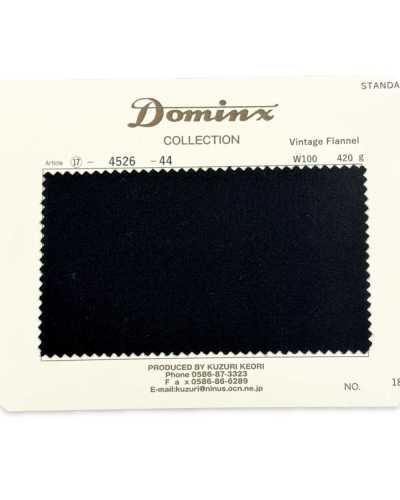
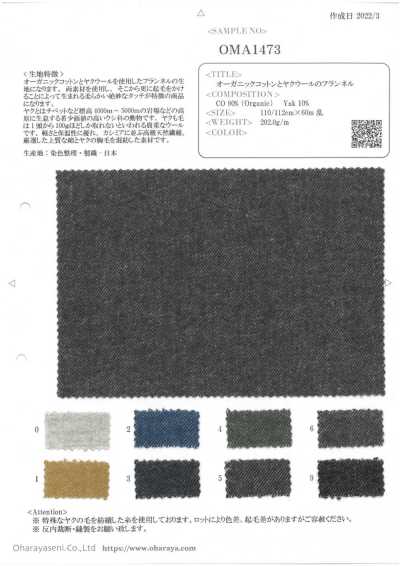
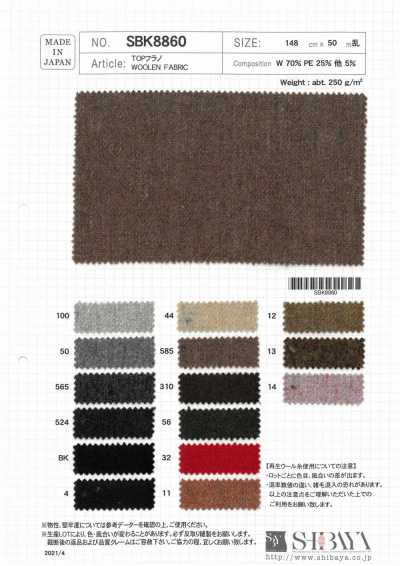
Flannel is a textile made by brushing woven fabric made of cotton or wool, giving it a soft surface nap and a warm, insulating feel.
Contents6 sections
Definition and Overview
Flannel is a woven fabric whose surface is brushed after weaving to raise short nap. Brushing allows it to trap air more easily, creating a soft hand and a warm appearance. Depending on the type of fiber, weave structure, and brushing intensity, its thickness and texture can vary widely.
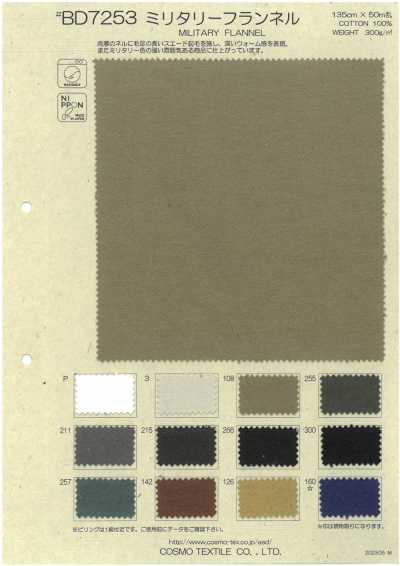
Materials made primarily from cotton are sometimes called "nella," while relatively firm materials made with wool fabrics may be called "flannel." However, these distinctions vary depending on the material, place of origin, and trade customs.
Features
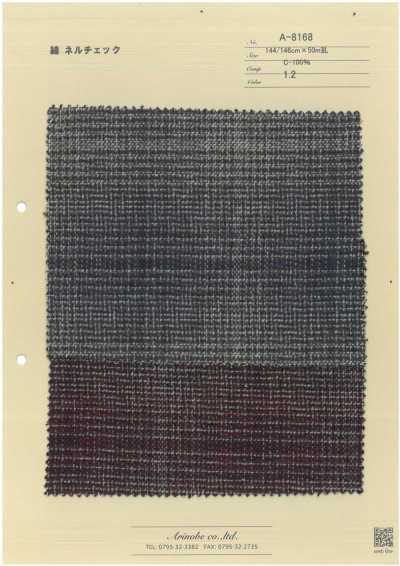
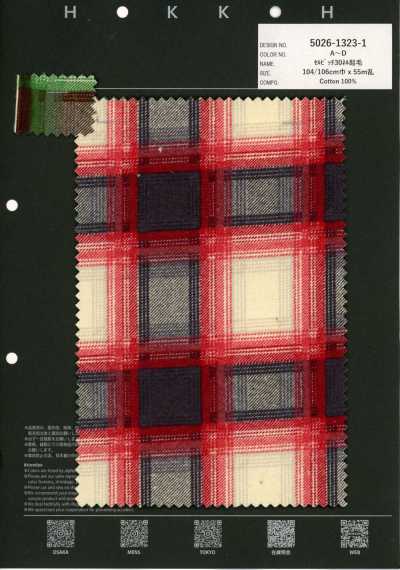
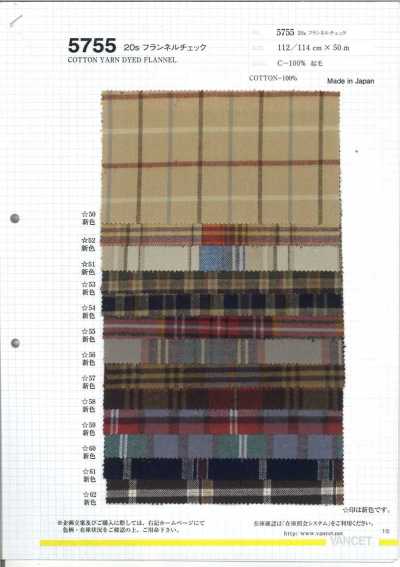
Because the surface nap softly reflects light, it has a calm, matte appearance. It feels gentle against the skin and is generally expected to provide warmth, so it is used as a fabric for autumn and winter. It is also a good match for plaid patterns and yarn-dyed checks.
On the other hand, the brushed surface may develop fuzz or pilling when rubbed. Also, because the direction of the nap can make colors appear lighter or darker, it is important to align the nap direction of all parts when cutting.
- Cotton flannel is soft and tends to have a casual look.
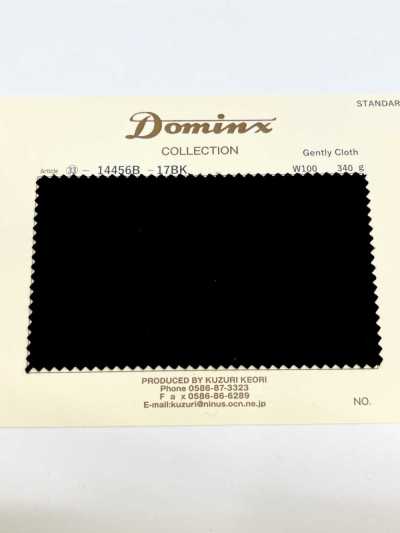
- Flannel containing wool is warmer and is also used for more refined applications.
- Blended fabrics may be designed to balance durability, ease of handling, and texture.
Main Applications
Lightweight, soft cotton flannel is used for shirts, blouses, pajamas, and children's clothing. It has a gentle warmth from the brushed finish and can be used for items that come into direct contact with the skin.
Flannel with moderate thickness and firmness is used for jackets, pants, skirts, dresses, and coats for lightweight apparel. Since applications vary depending on the material composition and fabric weight, check the drape and strength required for the item being made.
Selection and Handling Notes
When selecting, check the composition, thickness, fabric weight, one-sided or both-sided brushing, and pile length. For shirts, it is good to compare sewability and hand feel; for bottoms and jackets, compare shape retention and resistance to wear. For patterned fabrics, also check the direction of the pattern and the nap.
Washing or steaming may cause shrinkage, disturbed nap, or changes in texture. Before mass production, carry out washing tests and shrinkage checks according to the product conditions. During sewing, the nap may affect stitching alignment, so adjust presser foot pressure and feeding conditions through trial sewing.
- Cutting should be done in one direction as a rule to prevent color differences caused by the nap.
- Do not press the iron down hard; use a pressing cloth to avoid crushing the nap.
- Washing methods vary depending on the composition and finishing, so check the care label and fabric test results.
Differences from Similar Terms
Melton is also a brushed wool fabric, but it generally refers to a thick fabric that has been felted to make the structure dense and finished with a smooth surface. Compared with melton, flannel is often softer and has a more pronounced napped texture.
Tweed is a general term for wool fabrics with texture created by yarns of different thicknesses or colors, and it is not a name determined only by whether the fabric is brushed. Flannel is a term derived mainly from the brushed surface finish and does not independently limit the weave structure or material.
Frequently Asked Questions
Are flannel and flannelette the same?
Flannelette is one of the names used for flannel and often refers to a relatively soft brushed fabric, especially one made from cotton. However, the scope of the term varies according to trade customs, so when ordering it is important to check the composition, thickness, and brushing specifications.
Can flannel be washed at home?
Whether home washing is possible depends on whether it is mainly cotton or mainly wool, the blend ratio, and the dyeing and finishing conditions. Even cotton flannel may shrink or become fuzzy after washing. When turning it into a product, always make decisions based on the care label and test results for each fabric.
- Browse Flannel products
- Products with material "Cotton"
- Products with material "Wool"
- Products for style "Warm Materials"
- Products for style "For Shirts/blouses"
- Products for style "For Outerwear/blousons/coats"
- Products for style "For Pants"
- Products for style "For Nightwear"
- Browse Textile products