Yak
Yak is an animal fiber made from the wool of the yak, a bovine animal that mainly inhabits the highlands of Central Asia, and is used for autumn and winter clothing by taking advantage of its soft texture and warmth.
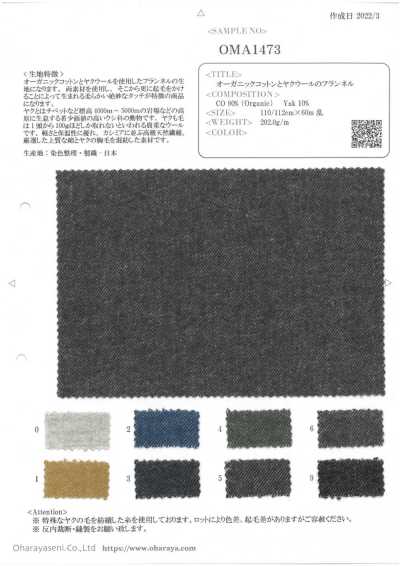
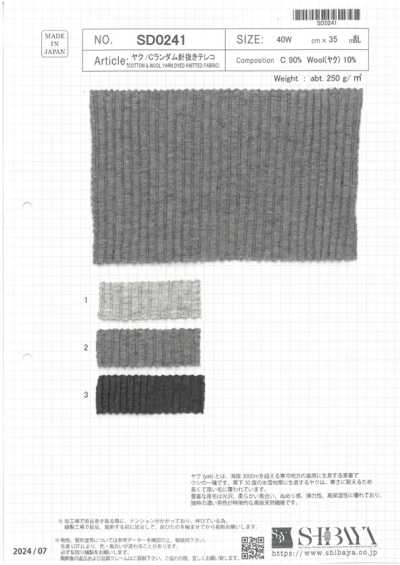
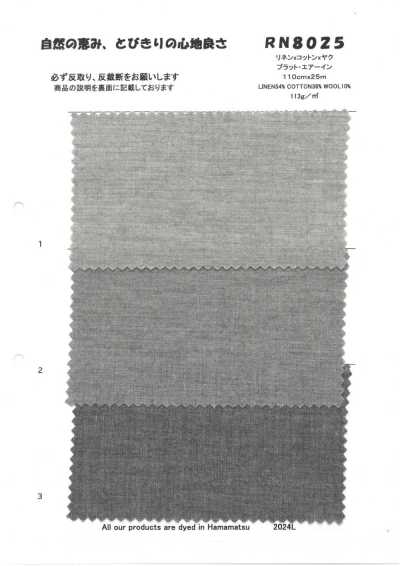
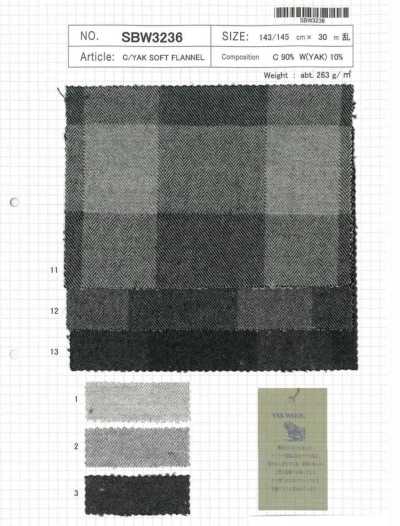
Contents6 sections
Definition and Overview
Yak is an animal fiber obtained from yak body hair. For apparel, the soft fine hair is mainly used and made into yarn and textile. It is used on its own, or blended with wool, cashmere, silk, and others to adjust texture, strength, and stability in knitting and weaving.
Yak is a material name, not a name for a weave or knit structure. Even with the same yak material, thickness, texture, ease of handling, and other qualities can change greatly depending on yarn thickness, twist, blend ratio, knit or weave structure, and finishing such as brushing or fulling.
Texture and Functions
In general, yak is characterized by a supple, soft, and warm texture. Products that make use of the natural hair color tend to have deep heathered tones, including brown, gray, and black shades, and often a calm appearance.
Because it is an animal fiber, it easily traps air and is a material that readily provides the warmth needed for autumn and winter clothing. On the other hand, warmth and feel depend on hair selection, blend ratio, fabric weight, and the density of knitting or weaving, so it is important not to judge performance by the material name alone.
Main Uses and Seasons
Yak is often used for knit items such as sweaters, cardigans, vests, scarves, shawls, and hats. In woven goods, it is used for shirts, dresses, jackets, coats, and pants, and is suited to items with a relatively warm look that make use of the material’s character.
The main season of use is autumn and winter. If the yarn is thin or the knit is loose, it can also be used for layering during seasonal transitions. However, even with the same yak blend, the wearing feel changes with fabric thickness and density, so samples should be checked during planning according to the intended use.
- Knit: sweaters, cardigans, scarves, hats
- Woven: shirts, dresses, jackets, coats
- Autumn and winter cold-weather wear, and items that call for a natural material look
Selection and Handling Notes
When selecting, check not only the yak blend ratio but also yarn count, fabric weight, structure, surface fuzz, and stretch. For products that touch the skin, the feel of itchiness varies by person, so wear testing is reassuring. Whether light or dark, dyed goods should also be checked in advance for color transfer and color change due to friction.
Products containing yak may shrink, felt, fuzz, or pill due to moisture, friction, and heat. Follow the care label and decide at the planning stage whether the product is suitable for home washing or should be dry-cleaned. Consider dimensional change after washing, and perform testing or scouring with hot water if needed.
During sewing, fabrics with fuzz may shift easily when cut, and seam thickness may increase. Check seam finishing, iron temperature, and whether a pressing cloth is needed for each fabric. For knit fabrics, consider the sewing thread, sewing specification, and use of stabilization measures according to the amount of stretch.
Differences from Similar Materials
Yak differs from wool, which is made from sheep hair, because the source animal is different. Wool refers broadly to sheep wool and has a wide range of uses and quality levels, while yak is the material name for hair from the yak. The two are sometimes blended, so the blend indication must be checked.
Cashmere is also an animal fiber made from goat hair, but the source animal differs from yak. Alpaca is hair from a camelid animal, so it is a different material from yak. All are used as autumn and winter materials, but touch, sheen, fuzz, strength, and shrinkage differ depending on fabric design.
Frequently Asked Questions
Is yak a type of wool?
Yak is an animal fiber made from yak hair and is distinguished from wool, which is made from sheep wool. However, in a broad sense it may be handled alongside wool as a hair fiber, and in actual fabrics it may be blended with wool. Check the yak blend ratio in the material indication.
Can yak material be washed at home?
Whether home washing is possible is not determined by the yak blend ratio alone. It depends on the yarn, fabric structure, finishing, and the product’s accessories and sewing specifications. Because washing with water may cause shrinkage or felting, always follow the care label for each product, and confirm by washing tests during planning.
What should be noted when sewing yak fabric?
With yak fabric that has fuzz or thickness, care is needed for shifting during cutting, seam allowance thickness, and shine caused by ironing. Before mass production, check the needle, thread, seam density, and ironing conditions using a fabric sample. For knit fabrics, also consider sewing specifications that accommodate stretch.