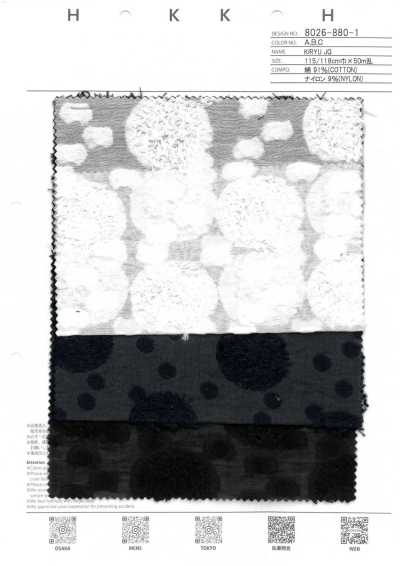
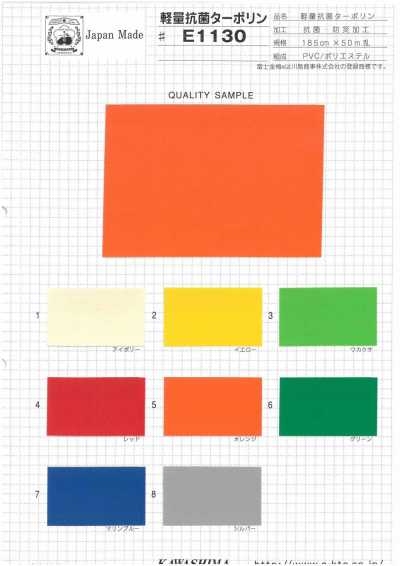
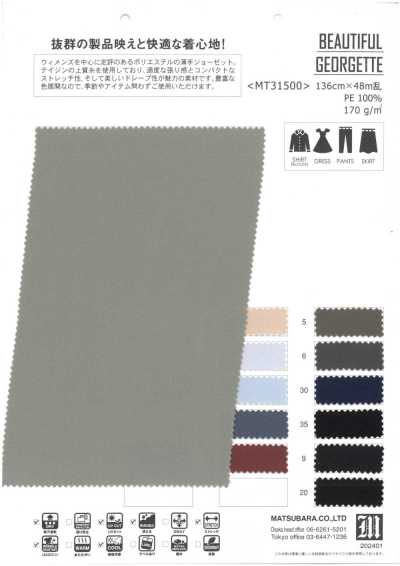
Fabric Weight
Fabric weight is a value that indicates the weight per unit area of textile, generally expressed in grams per square meter, and serves as a guide for judging textile thickness and bulk.
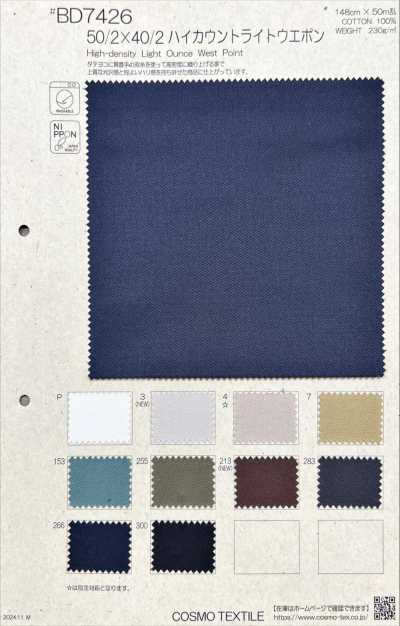
Contents6 sections
Definition and Overview
Fabric weight is a standard that indicates the mass per square meter of textile. It is usually expressed in g/m2 or gsm, and the larger the number, the greater the amount of material per unit area. It is basic information used in textile planning, ordering, and quality checks.
Fabric weight indicates how heavy a textile is, and it is not a value that shows thickness itself. Even with the same fabric weight, thickness, appearance, and wear feel vary depending on the fiber type, weave or knit structure, yarn thickness, and brushed or coated finishes.
Relation to Hand and Performance
In general, textiles with a lower fabric weight are lighter and easier to create a thin feel, sheerness, and softness. Textiles with a higher fabric weight may provide a sense of volume, durability, warmth retention, and a stable silhouette. However, these should be judged together with the material and structure.
For example, even with the same fabric weight, woven fabrics and knits differ in stretch and bulk. Also, materials that easily trap air, such as wool, and brushed fabrics may feel thicker and warmer than their numbers suggest.
Main Applications and Textile Selection
Fabric weight is a comparison index when considering the lightness, drape, strength, and seasonal suitability required for an application. Lightweight textiles may be chosen for thin shirts and linings, moderately firm textiles for medium-weight bottoms and jackets, and heavier textiles with durability in mind for bags and workwear.
However, an application cannot be determined by fabric weight alone. It is important to check the structure, density, blend ratio, finishing, and textile width as well, and to confirm sheerness, firmness, and drape using the actual roll or swatch.
- If lightness is a priority, check sheerness and strength in addition to fabric weight.
- If you want to keep the shape, check the structure and firmness as well as the fabric weight.
- For outerwear and material applications, also check test items such as abrasion resistance and tear strength.
Handling and Production Notes
Fabric weight may vary depending on finishing conditions, moisture content, and processing. When washing or shrinkage changes the area of the textile, the weight per unit area also changes. During mass production, share the test conditions and allowable range with the trading partner and confirm them.
When estimating fabric consumption and product weight, combine fabric weight with textile width and required dimensions. Simple calculations that do not consider grain direction, pattern direction, cutting loss, or shrinkage rate will differ from the actual required amount, so prior cutting design is necessary.
Differences from Similar Terms
Density is an index that indicates the number of warp and weft yarns per fixed length in woven fabrics. Even if the fabric weight is high, some textiles are woven loosely with thick yarns, while others are woven densely with fine yarns, so fabric weight and density do not mean the same thing.
Yarn count and denier are units that express yarn thickness. Fabric weight, on the other hand, expresses the weight per unit area of the entire textile. Fabric thickness is a separate value measured with a thickness gauge, and it cannot be determined directly from fabric weight.
Frequently Asked Questions
If the fabric weight is the same, are the thickness and durability also the same?
Not necessarily. Thickness and durability depend on the specific gravity of the fiber, yarn thickness, weave or knit structure, density, and brushed or resin finishes. Use fabric weight as a starting point for comparison, and confirm thickness, tear strength, abrasion resistance, and hand with the actual product or test values.
Does fabric weight change after washing?
It can change. When washing causes the textile to shrink, the area becomes smaller, so the weight per unit area changes. Differences also arise depending on the type of processing and the moisture condition at the time of measurement, so for productization it is important to confirm dimensional changes before and after washing as well as the hand.