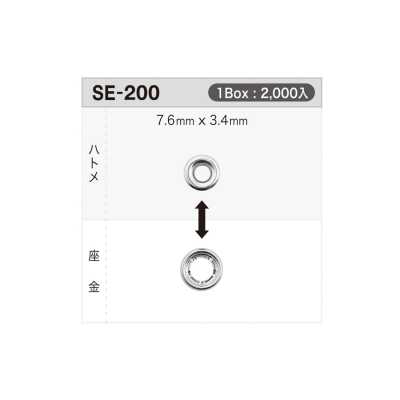
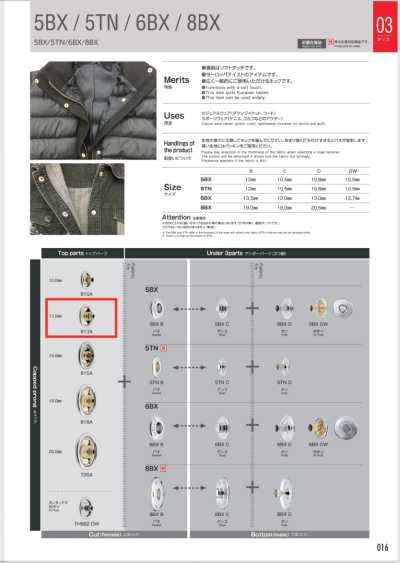
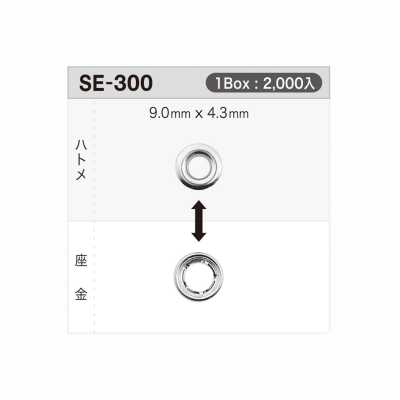
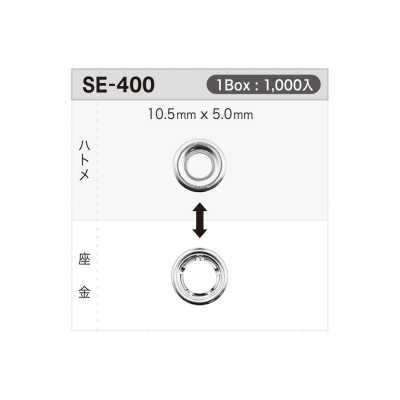
Antique Finish
Antique finish is a finish that gives the surface of metal press fasteners and eyelets a well-worn color tone and shading.
Contents6 sections
Definition and Overview
Antique finishing is a finish that gives the surface of metal accessories a subdued tone, depth, and darkened look, creating the appearance of aged metal. It does not refer to actually using old parts or to scratches that result from use.
It is used for press fasteners, spring snaps, jumper hooks, cap snap buttons, eyelets, cap and close posts, and similar items. Even with the same antique finish, the appearance differs depending on the base metal, surface treatment method, and color tone.
Materials and Component Configuration
Antique finishing is mainly an appearance specification applied to metal parts, not a material name. Parts may use brass, iron, zinc alloy, and other materials, and the resulting color and wear pattern after processing vary depending on the combination of base material and surface treatment.
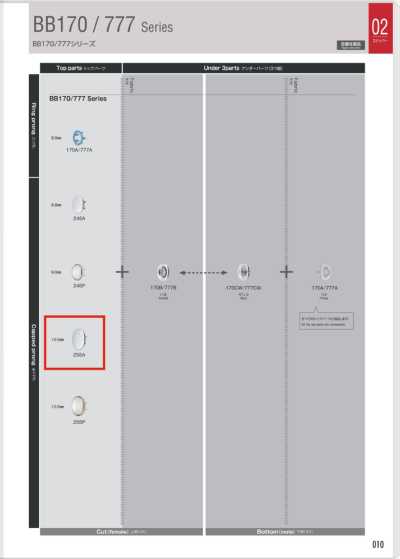
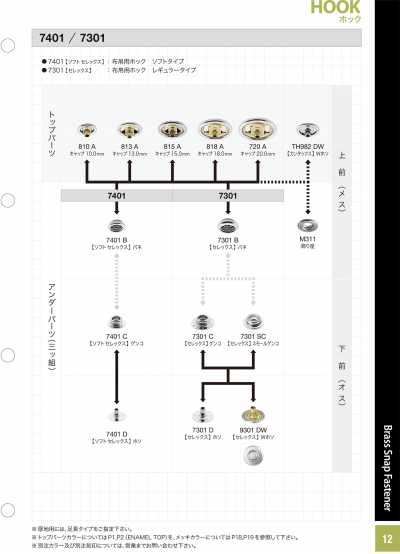
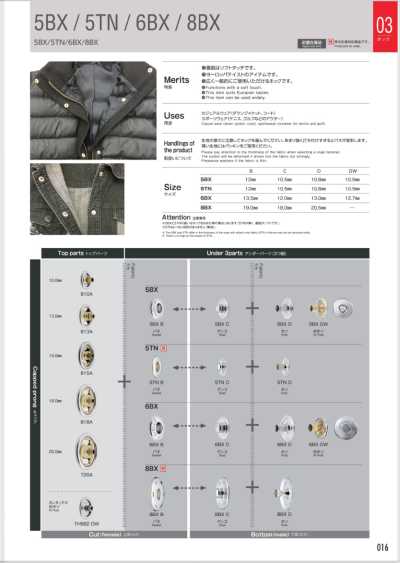
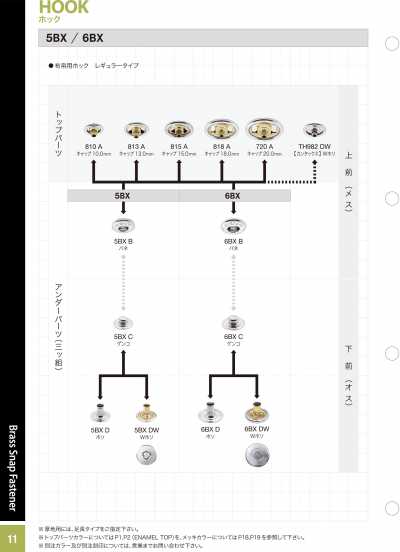
Press fasteners and hooks are made up of multiple parts, such as the head, spring or stud, eyelet, and washer. Check the color tone of each part, not just the front side, so that the finish does not look inconsistent on the front and back of the product.
How Sizes Are Indicated and Attached
Depending on the item, size is indicated by the outer diameter of the head, the inner and outer diameters of the eyelet, the length of the leg, and so on. Since antique finishing refers to color and surface specification, it does not indicate size or the standard of the compatible setting tool. Select the item after checking the dimensions of each part.
For attachment, use a setting tool compatible with the target part, together with a hand press or press machine. If the part type or size differs, it may not be properly crimped, which can cause deformation, detachment, or surface damage, so it is important to perform a test setting with the actual item.
- Select a leg length that matches the fabric thickness and number of layers.
- If the outer fabric is likely to be scratched or left with pressure marks, protect it with a pressing cloth and perform a test setting.
- Before mass production, confirm retention under actual use conditions, including pulling and opening and closing.
Main Applications
It is used for clothing and fashion accessories that call for a rugged or calm impression, such as workwear, military styles, denim, and leather-like items. Matching it with the color tone of the textile, stitching, and zipper helps create a unified look for the overall accessories.
For eyelets and cap and close posts, it serves not only a reinforcing function but also a decorative one. When used in a prominent location, check the depth, lightness, and level of gloss of the finish with samples, and choose the look that suits the product concept.
Points to Note When Selecting
With thin textiles, highly stretchable textiles, or coarse knits, the pressure during setting may tear the textile or cause the part to come loose during use. If necessary, consider reinforcement with interfacing, a button seal, washers, or similar parts, and evaluate compatibility between the textile and the part in advance.
Because antique finishing creates depth and lightness on the surface, the color tone may change due to friction, washing, sweat, or storage conditions. Confirm requirements for rust resistance or discoloration, and the need for washing tests and rubbing tests, according to the product application and sales conditions.
For products using metal accessories, confirm whether they are needle detector compatible. Also, if consideration for nickel-induced skin irritation is necessary, confirm through the specification sheet or test results that the item is nickel-free. Even if it is antique-colored, it is not necessarily nickel-free.
Frequently Asked Questions
Are antique finishing and plating the same?
No, they are not the same. Plating refers to a surface treatment that forms a different metal layer on the surface of metal, while antique finishing is an appearance specification that expresses an old-style color tone and shading. Depending on the product, an antique look is created through surface treatments such as plating.
Can antique-finished press fasteners be attached with a standard setting tool?
Not based on the color or finish name alone. Use a setting tool that matches the type, part shape, and dimensions of the press fastener. Even if the finish is the same, the part standard may differ, so confirmation of the specified setting tool and a test setting are necessary.
Does antique finishing discolor when washed?
The degree of change varies depending on the base material, surface treatment, detergent, sweat, friction, drying method, and other factors. It is necessary to distinguish between intended changes in texture and undesirable discoloration or rust. Before mass production, confirm this through testing under conditions close to actual washing conditions.